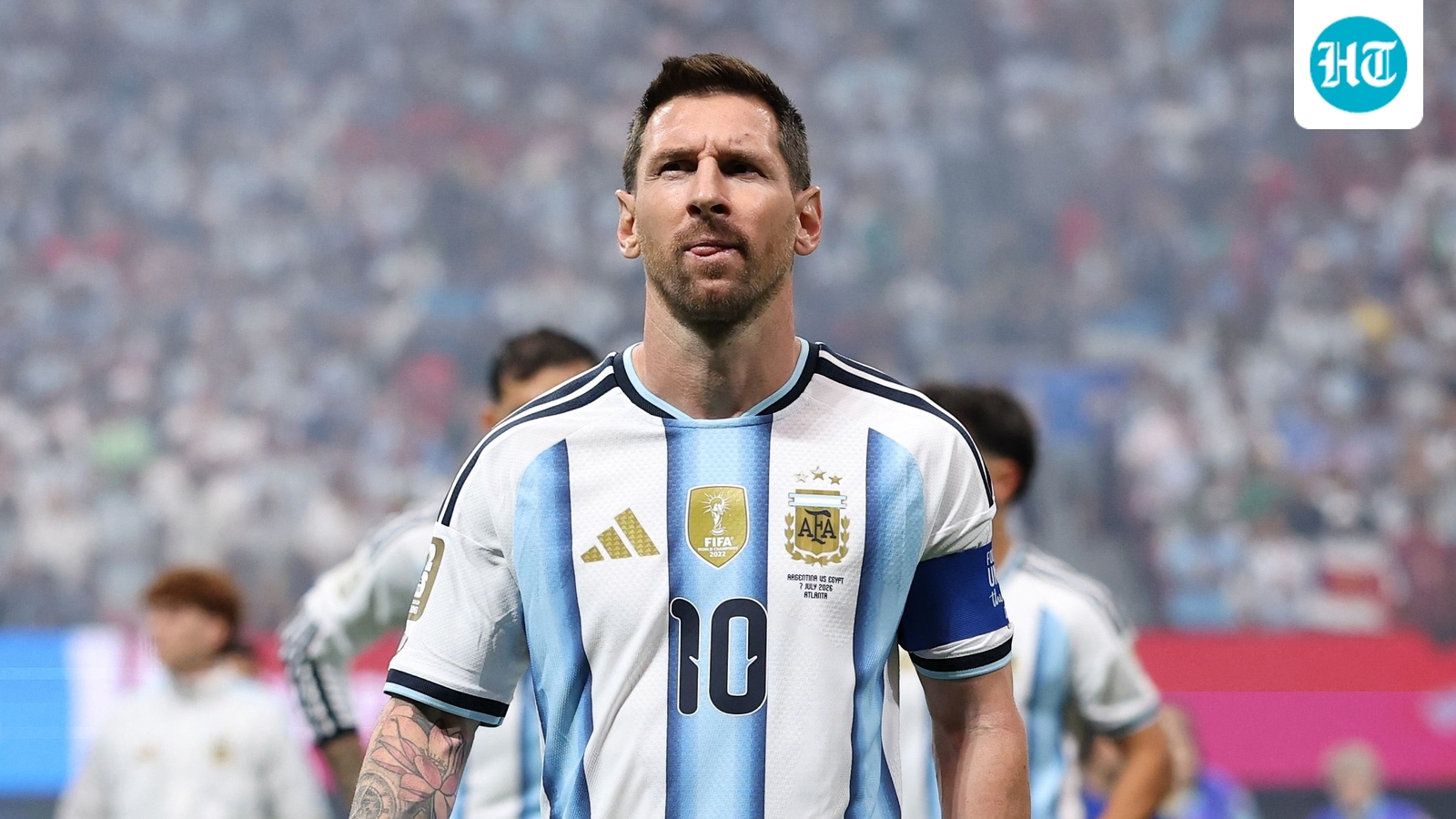
Egypt head coach Hossam Hassan claims Lionel Messi deliberately provoked his team during the Round‑of‑16 clash, reigniting debate over officiating bias. While Argentina advanced with a 3‑2 win, the Egyptian camp continues to question the fairness of key decisions.
Key Takeaways
- Coach Hossam Hassan alleges Messi provoked Egypt
- Egypt blames referee decisions for their loss
- The match remains a flashpoint for World Cup controversy
The 2026 FIFA World Cup Round‑of‑16 match between Argentina and Egypt will be remembered not only for a dramatic 3‑2 finish but also for the heated accusations that followed. After an early 2‑0 lead for Egypt, Argentina staged a late comeback, yet the victory was shadowed by claims of biased officiating and on‑field provocation.
Hassan’s Fresh Accusations
Speaking to Egyptian outlet Kora Plus, head coach Hossam Hassan asserted that Argentina captain Lionel Messi intentionally entered the Egyptian technical area to “set everything on fire.” He pointed to a video where Messi made an “X” gesture and approached the bench, interpreting it as a deliberate attempt to inflame tensions. Hassan described Messi’s behavior as “highly provocative,” suggesting the Argentine star wanted to provoke the Egyptian side.
Referee Decisions Under Scrutiny
Hassan did not stop at personal accusations; he also blamed the match’s outcome on refereeing choices. “The referee completely changed the game. Everything became chaotic,” he said, citing multiple yellow cards, a red card, and prolonged VAR interventions that, in Egypt’s view, tilted the balance toward Argentina. Assistant coach Ibrahim Hassan, who served during the tournament, echoed these concerns, adding weight to the claim that officiating, not footballing performance, dictated the result.
Historical Context and Potential Ramifications
Allegations of bias toward South American teams have surfaced in past World Cups, but the rapid spread of this controversy on social media has amplified its impact. Should FIFA launch a formal investigation, it could trigger reforms in referee training and VAR protocols, aiming to restore confidence in tournament fairness. Moreover, high‑profile accusations against a player of Messi’s stature may intensify emotional stakes in future international fixtures, prompting governing bodies to reconsider disciplinary frameworks.
Looking Ahead
Argentina has remained silent on the matter, while FIFA has yet to comment publicly. The lingering dispute underscores how modern football intertwines sport, politics, and legal scrutiny. As the tournament progresses, the narrative surrounding this match may influence public perception of the World Cup’s integrity and set precedents for handling future controversies.