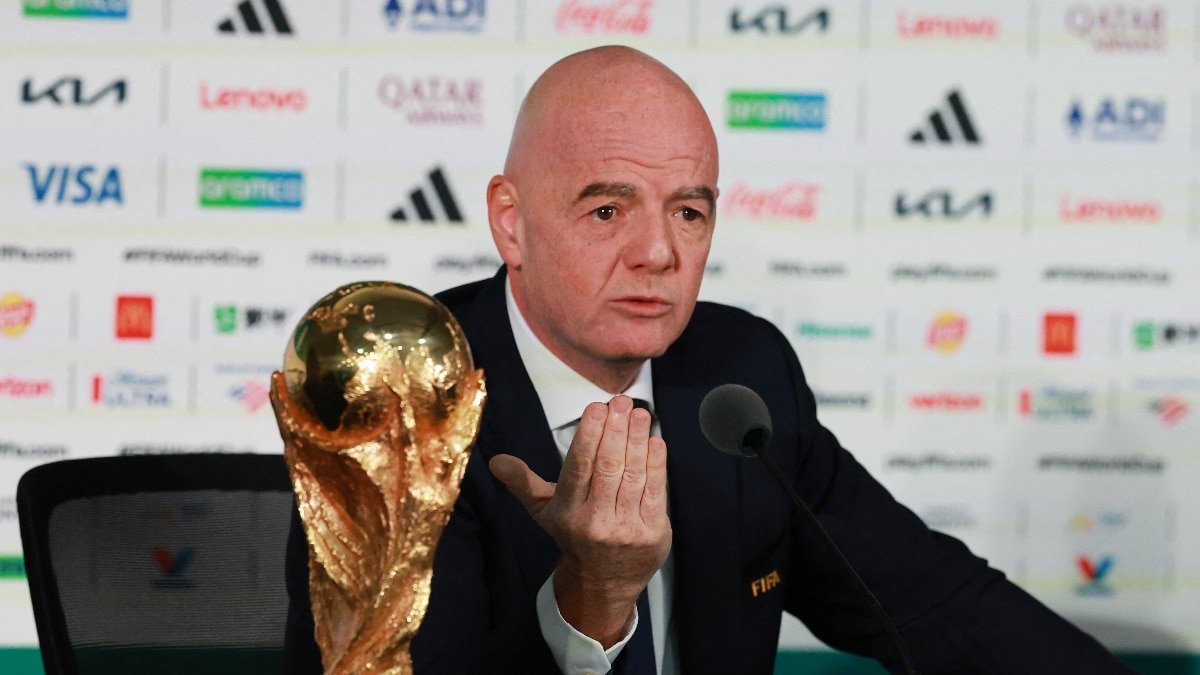
FIFA chief Gianni Infantino hinted at expanding the 2030 men's World Cup to 64 teams, a proposal that will be debated after the 2026 tournament. The historic edition, co-hosted by Spain, Portugal and Morocco, could become the largest in the competition’s history if the plan is approved.
Key Takeaways
- Infantino indicates a possible 64‑team format for 2030
- The final decision will be taken after the 2026 World Cup
- Expansion aims to broaden participation and boost global football growth
FIFA President Gianni Infantino told Swiss media in a July 13 interview that, following the success of the 48‑team format introduced in 2026, the governing body will consider expanding the 2030 tournament to 64 nations. He highlighted that the 2026 edition gave several emerging football nations a chance to compete on the world stage, thereby accelerating the sport’s global reach.
Historical Context
The inaugural FIFA World Cup in 1930 featured just 13 teams. Over the decades, the competition grew, reaching 32 teams in 1998 and expanding to 48 teams for the 2026 edition. The 48‑team format introduced a new qualifying structure that allowed more nations from Africa, Asia and CONCACAF to qualify, while also delivering lucrative broadcasting and sponsorship deals for FIFA.
Potential Benefits of a 64‑Team Format
If approved, a 64‑team World Cup would be the biggest in the tournament’s history. Analysts argue that broader participation would enhance football’s popularity worldwide, provide new commercial opportunities for host nations, and stimulate tourism and infrastructure development in the three host countries – Spain, Portugal and Morocco. Moreover, the increased number of matches could generate additional revenue streams for FIFA and its partners.
Challenges and Criticisms
Critics warn that a larger field might dilute the competition’s quality, as talent becomes more spread out. More fixtures could strain player health and raise logistical complexities for organizers. Consequently, many football experts suggest that any expansion must be accompanied by stricter qualification criteria to preserve the tournament’s elite status.
Infantino stressed that the final decision will be taken after the 2026 World Cup concludes, giving all stakeholders ample time to voice concerns and suggestions. The outcome will not only shape the future of the sport but also influence cultural and economic dynamics on a global scale.