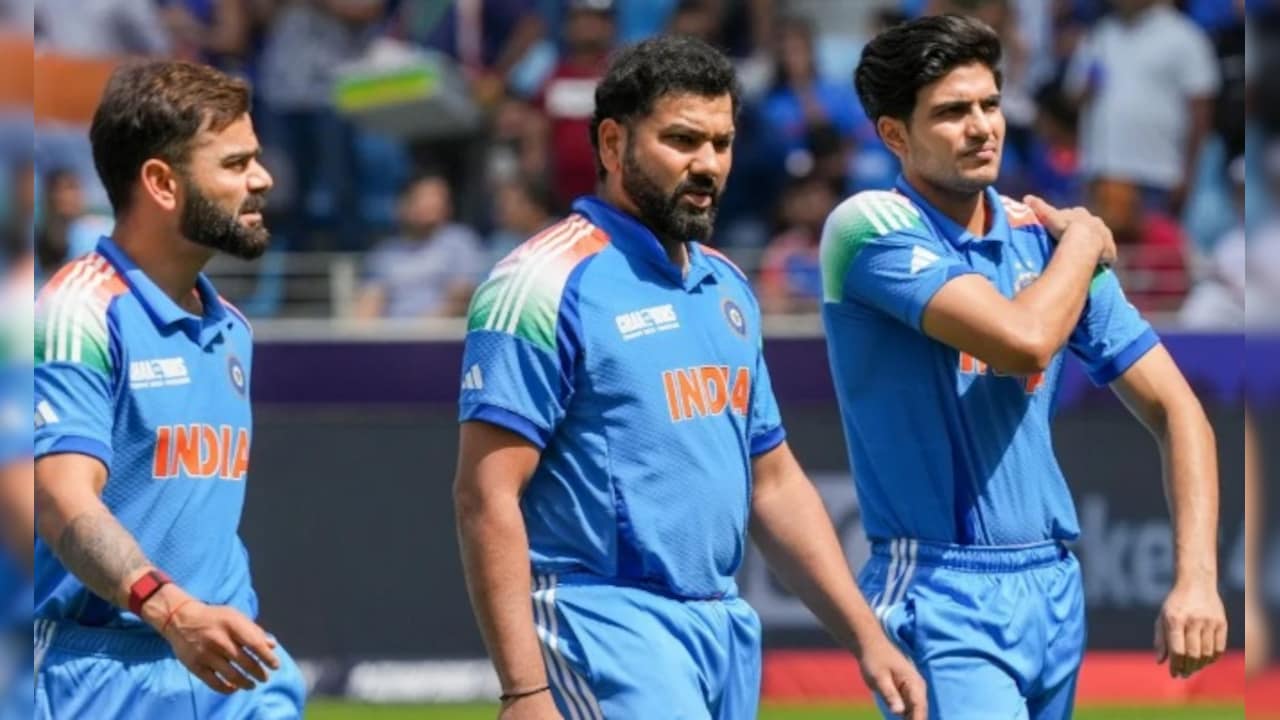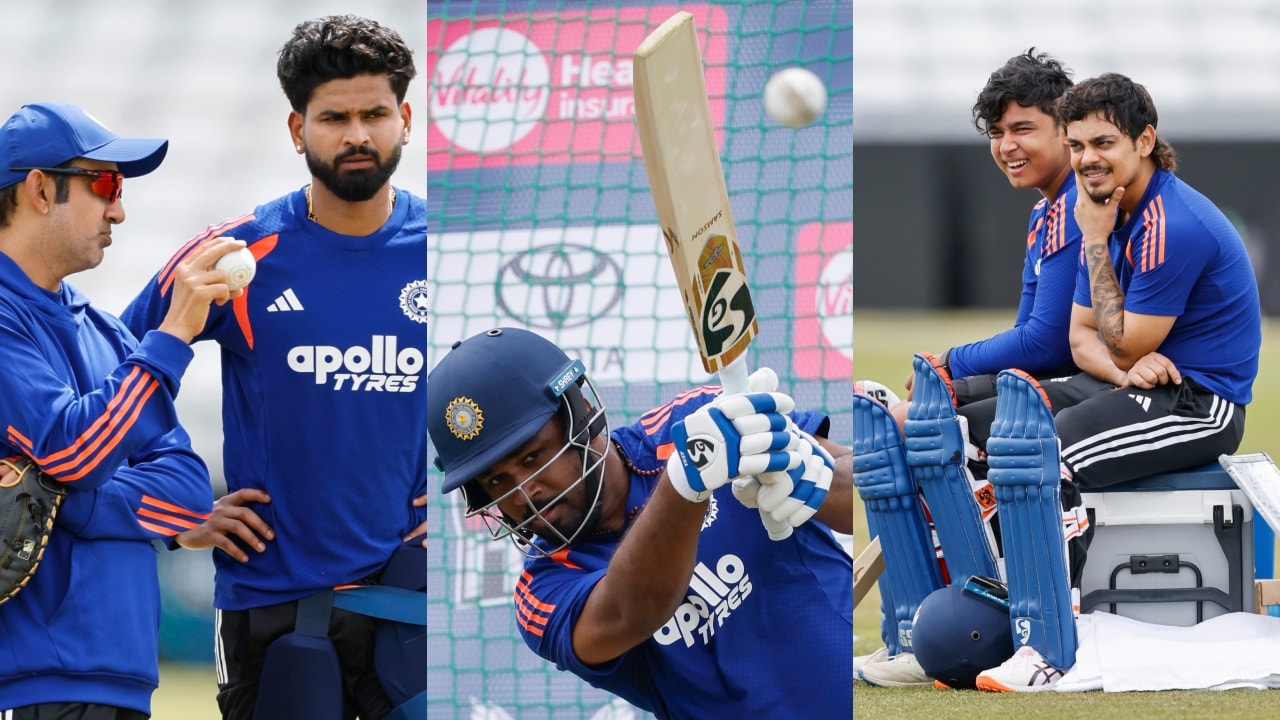
Gautam Gambhir and Shreyas Iyer must rethink India’s T20I approach after back‑to‑back series defeats. Gambhir’s sharp criticism of the coach’s selection policy has sparked a debate over the team’s future direction.
Key Takeaways
- India suffered consecutive series losses to England and Ireland in T20Is.
- Gautam Gambhir accused the coach of favouritism in player selection.
- A strategic overhaul is urgently required to restore India’s T20 dominance.
The Indian cricket side is currently mired in an unprecedented slump in the Twenty‑20 format. After falling to England and then Ireland in two successive series, the reigning T20 World Cup champions find themselves under intense scrutiny. The defeats have ignited a broader conversation about selection policies, team balance, and the strategic vision that once made India the benchmark in the shortest format.
Gambhir’s Blunt Critique
Former opener Gautam Gambhir recently told the media that the head coach’s selection logic appears to be driven by “certain favourite players,” a practice he believes is undermining performance. Gambhir warned that unless coach Ravindra Jadeja revises his approach, the team’s trajectory could spiral further downwards. His comments have resonated across the cricketing fraternity, prompting both fans and pundits to question the transparency of the current selection framework.
Shreyas Iyer’s Concerns
New captain Shreyas Iyer, who assumed leadership after the World Cup triumph, echoed similar concerns. Iyer stressed that the squad needs a clear, merit‑based roadmap that rewards form over familiarity. The lack of a coherent selection narrative, he argued, has eroded confidence within the dressing room, especially after two demoralising defeats.
Historical Context and Potential Fallout
India’s ascent in T20 cricket over the past decade has been built on aggressive batting, versatile bowlers, and innovative captaincy. However, the 2024 setbacks expose a vulnerability: a system that may be over‑relying on legacy names while sidelining emerging talent. If the perceived bias persists, the pipeline of young players could stall, and India’s standing on the global stage may diminish ahead of the next World Cup.
Road Ahead
Cricket analysts recommend that the BCCI overhaul its selection committee to include a broader mix of former players and data‑driven experts. Moreover, the coaching staff must foster open dialogue with senior members to integrate their insights. Only through a transparent, performance‑first ethos can India rebuild its T20 engine and reclaim its position at the pinnacle of world cricket.