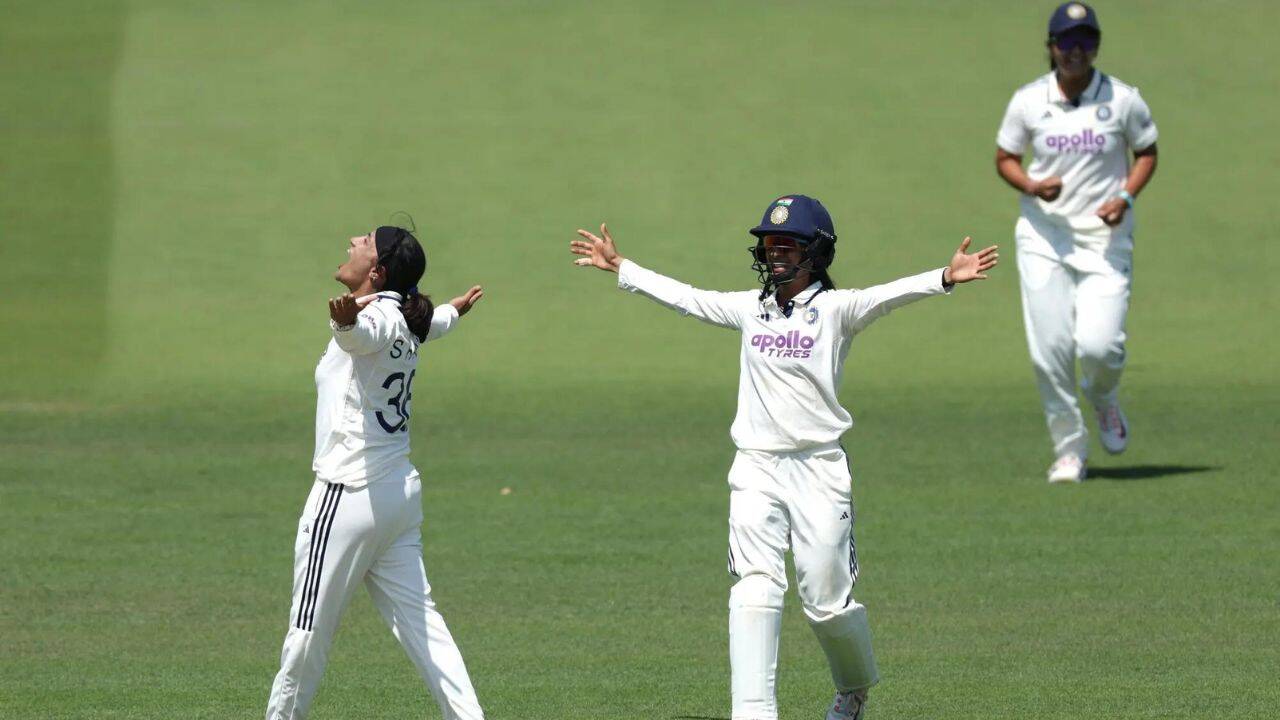
India’s 270‑run triumph over England in the inaugural women’s Test at Lord’s prolonged their 40‑year unbeaten record on English soil. Yastika Bhatia’s maiden century and Kranti Gaud’s seven‑wicket haul powered the victory, taking the head‑to‑head to 4‑1.
Key Takeaways
- India maintains a 40‑year unbeaten record in England.
- Yastika Bhatia scores her maiden Test century.
- Kranti Gaud claims a seven‑wicket match haul.
Lord’s Cricket Ground has always been a cathedral of the sport, and this weekend it witnessed a new chapter for women’s Test cricket. In their first ever Test at the historic venue, India posted a massive 456‑run total and later bowled out England for 186, sealing a 270‑run victory that extends their unbeaten run in England to four decades.
Match Overview
Batting first, India’s innings was anchored by Yastika Bhatia, who reached 108 runs – the first Test century for an Indian woman at Lord’s. Bhatia’s patient 30.4‑over knock featured 12 fours and five sixes, turning a solid platform into an imposing total. Her partnership with senior players set the tone, leaving England’s bowlers searching for answers.
Kranti Gaud’s Bowling Masterclass
In response, England could only muster 186 runs, thanks largely to Kranti Gaud’s devastating spell. Claiming seven wickets for 45 runs, Gaud combined swing, seam, and subtle variations to dismantle England’s top order early. Her seven‑wicket haul makes her the youngest Indian woman to achieve such a feat in Test cricket, underscoring her emerging status as a frontline bowler.
Historical Context and Future Implications
With this win, India now leads the overall head‑to‑head against England 4‑1, with 11 draws. The 40‑year unbeaten streak highlights the steady rise of Indian women’s cricket, both technically and mentally. Analysts predict that the confidence gained from this landmark victory will translate into stronger performances in upcoming series, potentially reshaping the global women’s Test landscape.
Experts also argue that such high‑profile successes should compel the Board of Control for Cricket in India (BCCI) to schedule more Test matches for women, ensuring that the momentum is not lost and that the sport continues to grow at the grassroots level.