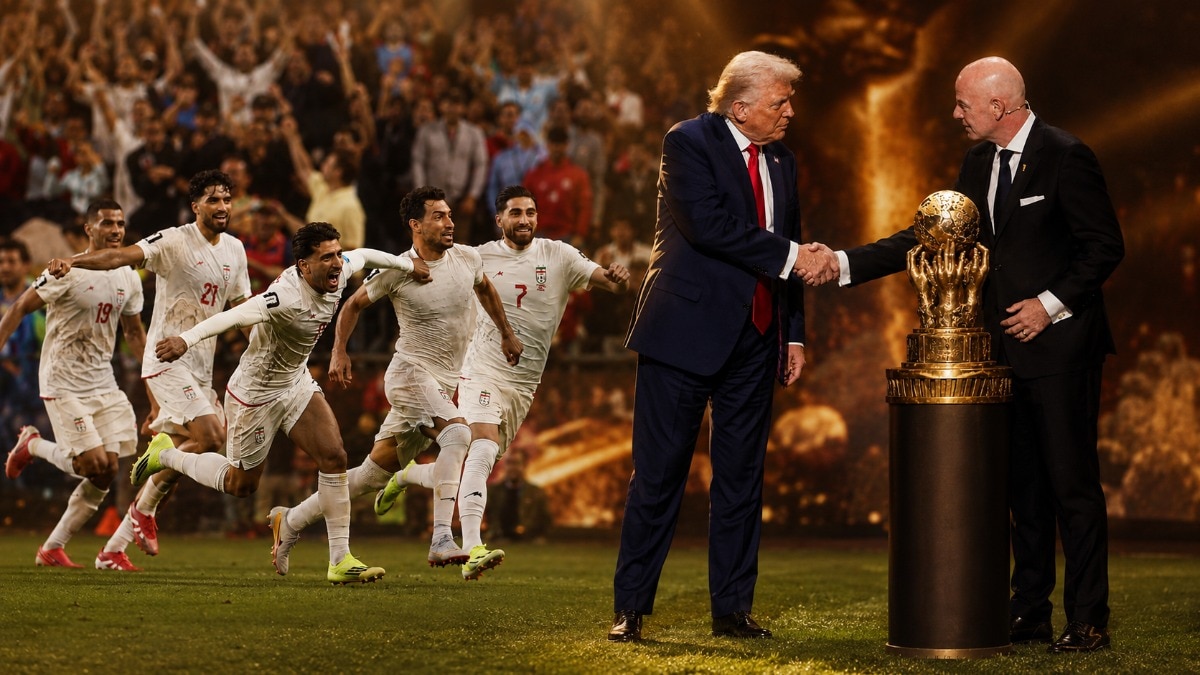
Despite geopolitical tension, travel restrictions and multiple VAR reversals, Iran remained unbeaten at the 2026 FIFA World Cup. Their story highlights resilience, respect and an unwavering commitment to the beautiful game.
Key Takeaways
- Iran competed without a loss in a tournament hosted by a nation at war with it.
- VAR annulled two crucial Iranian goals, yet the team maintained its dignity.
- The squad faced severe logistical, media and fan‑support deficiencies throughout the competition.
The 2026 FIFA World Cup, staged across the United States, is already being labeled the most inequitable edition in the tournament’s history. Amidst this backdrop, Iran’s national side—commonly called Team Melli—not only held its own on the pitch but also embodied a brand of dignity that only surfaces under extreme pressure.
Geopolitical Context and Logistical Hurdles
Following the U.S. launch of Operation Epic Fury against Iran in February 2024, American authorities imposed a 24‑hour entry‑exit window for the Iranian delegation before each match. Mexico was designated as Iran’s base camp, forcing the players to travel thousands of kilometres for every fixture. Several technical staff members and journalists were denied visas, a decision the Iranian Football Federation branded as “political.” Team captain Mehdi Taremi publicly noted the absence of logistical support and media coverage.
VAR’s Impact on Iran’s Campaign
In Group G, Iran recorded draws against Belgium, New Zealand and Egypt, remaining unbeaten but ultimately eliminated when other results didn’t align. Crucially, VAR overturned at least two Iranian goals, including a 93rd‑minute strike by substitute Shoja Khalilzadeh that would have secured Iran’s first-ever knockout‑stage berth. The decision sparked visible frustration, yet the players refrained from public outbursts, preserving their composure.
Press Conferences and Unusual Scrutiny
Unlike other teams, Iranian players and coaches were repeatedly queried about the war, domestic politics and the Strait of Hormuz at every press conference. This distinctive line of questioning underscores how international sport can become a surrogate arena for geopolitical dialogue. Nonetheless, the squad responded with measured answers, reinforcing their reputation for professionalism.
Looking Ahead
Although Iran exited at the group stage, the campaign has already become a template for resilience. Analysts suggest that, freed from travel bans and provided with full logistical support, Iran could become a regular contender in future World Cups, potentially reshaping Asian football dynamics.