Jannik Sinner’s consecutive Wimbledon titles confirm that his blend of controlled aggression, razor‑sharp accuracy and calm composure makes him the sport’s most unsettling champion. The victory underscores a game built on relentless pressure rather than flash‑in‑the‑pan brilliance.
मुख्य बिंदु (Key Takeaways)
- Sinner clinches a second straight Wimbledon crown, cementing his elite status.
- His game relies on balanced power, early ball contact and relentless pressure.
- Technical upgrades to serve and return make him especially lethal on grass.
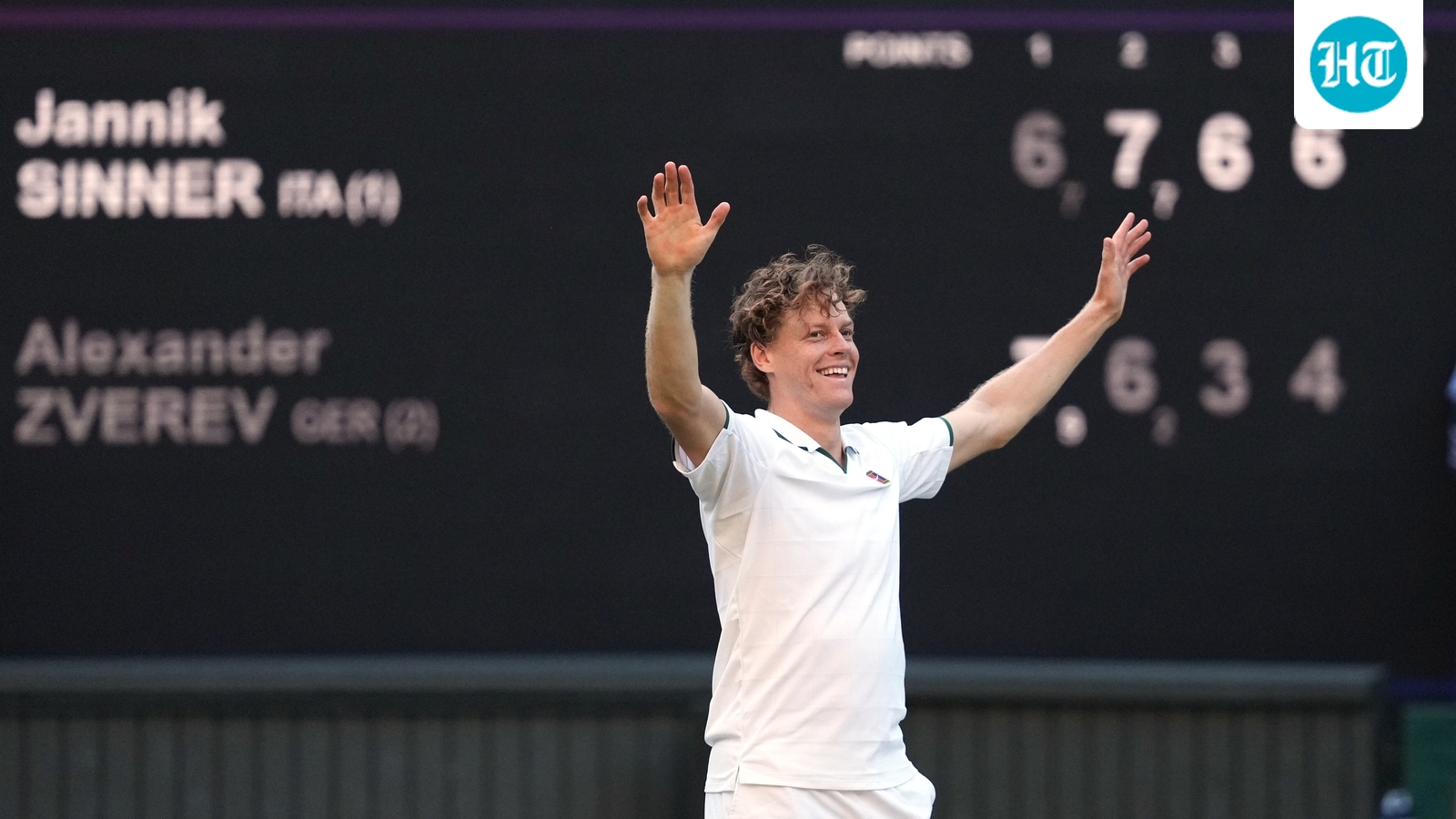
Jannik Sinner captured his second successive Wimbledon title on July 13, 2026, by turning a tight opening set loss into a masterclass of composure and pressure. After Alexander Zverev seized the first set 7‑6(9‑7), Sinner calmly reclaimed the match, winning the next three sets 7‑6(2‑7), 6‑3, 6‑4.
Background and Historical Context
Sinner’s first Wimbledon triumph in 2025 announced a new era of understated dominance. Unlike flamboyant showmen, he lets his racket do the talking. The 2026 victory not only repeats that narrative but also demonstrates his rapid evolution from a promising talent to a complete grass‑court specialist.
Playing Style: Controlled Violence
Analysts describe Sinner’s approach as “controlled violence.” He generates high‑velocity shots from both wings, yet his strokes never appear rushed. His forehand can finish points outright, but opponents cannot simply target his backhand and wait for a weaker reply. Power is evenly distributed, reshaping rally geometry and forcing rivals into uncomfortable positions.
Serve and Return Revolution
Early in his career, Sinner’s serve was a work‑in‑progress. Recent technical tweaks have turned it into a reliable weapon, especially on grass where big serves are rewarded. Precise placement opens the court, while his first groundstroke immediately asserts dominance. On the return side, he takes the ball early with compact swings, leaving opponents with minimal reaction time.
Mental Fortitude and Future Outlook
After dropping the first‑set tie‑break, many players would have shown frustration. Sinner, however, remained emotionally neutral, tightening his game and losing only two points in the second tie‑break. This stoic resilience, coupled with a repeatable pattern of pressure, suggests he could dominate the next decade, challenging the legacies of Federer, Nadal and Djokovic.