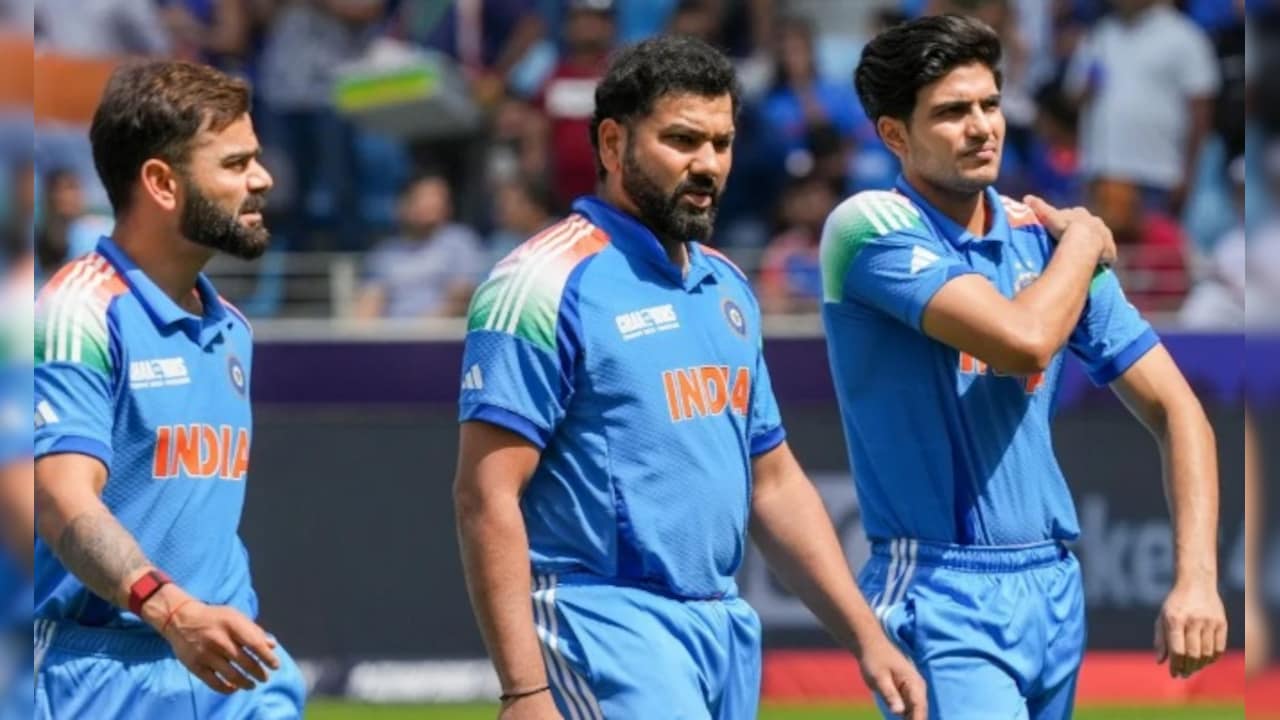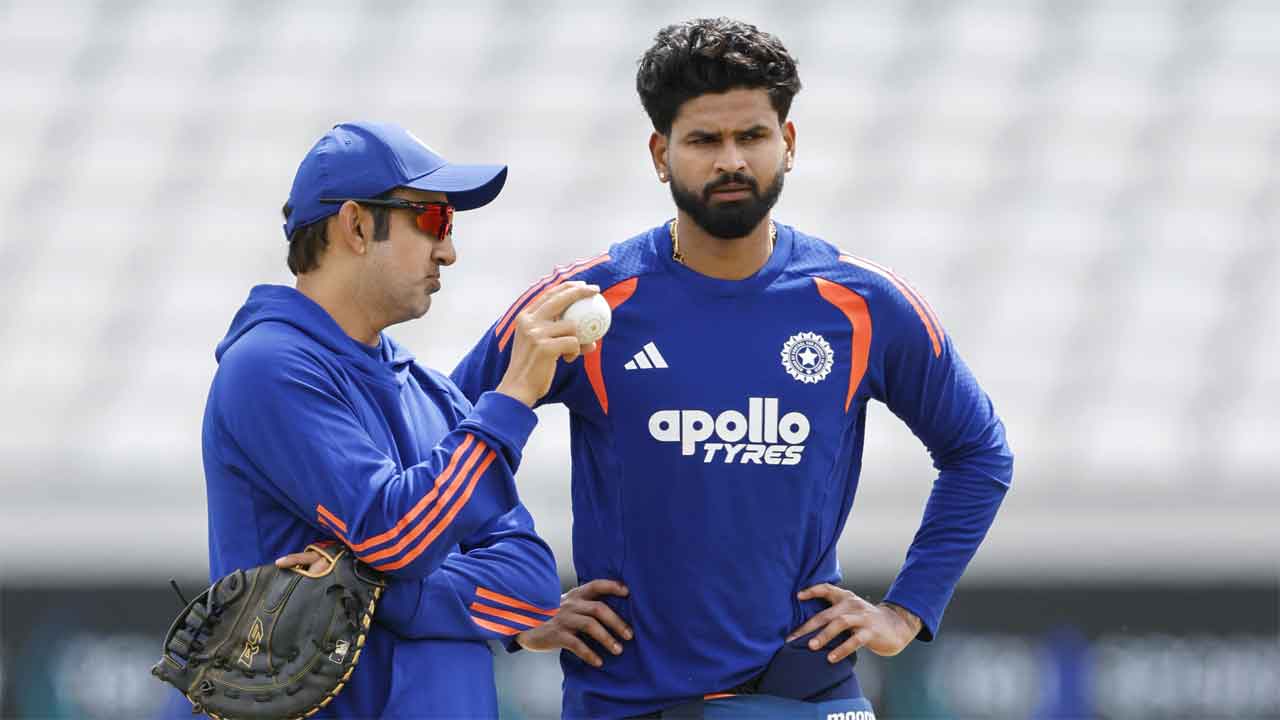
Former cricketer Sanjay Manjrekar criticised India’s reaction to the 0‑4 T20 series defeat against England, saying sacking coaches or players is easy but ineffective. He blames IPL‑friendly batting conditions and calls for structural changes in selection and pitch preparation.
Key Takeaways
- India suffered a historic 0‑4 T20 defeat to England, marking a sharp decline.
- Manjrekar argues the root cause lies in IPL’s batting‑friendly pitches, not the coach or captain.
- He demands a deep overhaul of selection policies and pitch preparation practices.
India entered the 2026 summer as reigning T20 World Cup champions, yet consecutive overseas series exposed glaring frailties. A 0‑2 loss in Ireland followed by a 0‑4 drubbing by England not only stripped India of the ICC No.1 ranking but also raised serious questions about the team’s adaptability abroad.
Background Context
After the World Cup triumph, former captain Suryakumar Yadav handed the T20 reins to Shreyas Iyer. Under Iyer’s leadership, India has won just one match out of seven, with six defeats and one rain‑abandoned game. The abrupt shift in fortunes signals deeper systemic issues beyond on‑field tactics.
Manjrekar’s Critique
In an Instagram video, Manjrekar warned, “The easy thing for India would be to sack Gautam Gambhir, sack the captain, sack some of the players who didn’t perform well in Ireland and England. That would be the easy thing to do.” He dismissed such knee‑jerk reactions as superficial, insisting the real problem is preparation for overseas conditions.
According to him, the selection committee over‑relied on IPL performances, a tournament notorious for “the easiest batting conditions” in modern cricket. “The IPL puts on a very heavy makeup on Indian batters, all batters. The IPL batting conditions are the easiest I’ve ever seen,” he said, arguing that this masks a player’s true skill set when faced with swing, seam, and bounce abroad.
Implications for the BCCI
Manjrekar calls for accountability not only from the coaching staff but also from those who design IPL pitches. “Go deeper and actually sack those guys who have been advising the BCCI that batting‑friendly conditions make the IPL more popular and commercially viable,” he urged. By targeting the architects of the ‘four‑and‑six‑rich’ environment, he believes the BCCI can cultivate a generation of cricketers equipped for varied global conditions.
Looking Ahead
Future success hinges on diversifying the talent pool and exposing players to authentic pitch challenges, both domestically and abroad. Selecting adaptable players like Shubham Gill, who can thrive on damp English tracks as well as on sub‑continental surfaces, could restore India’s T20 dominance. A systematic overhaul of selection criteria and pitch preparation will be the decisive factor in reversing the current downward spiral.