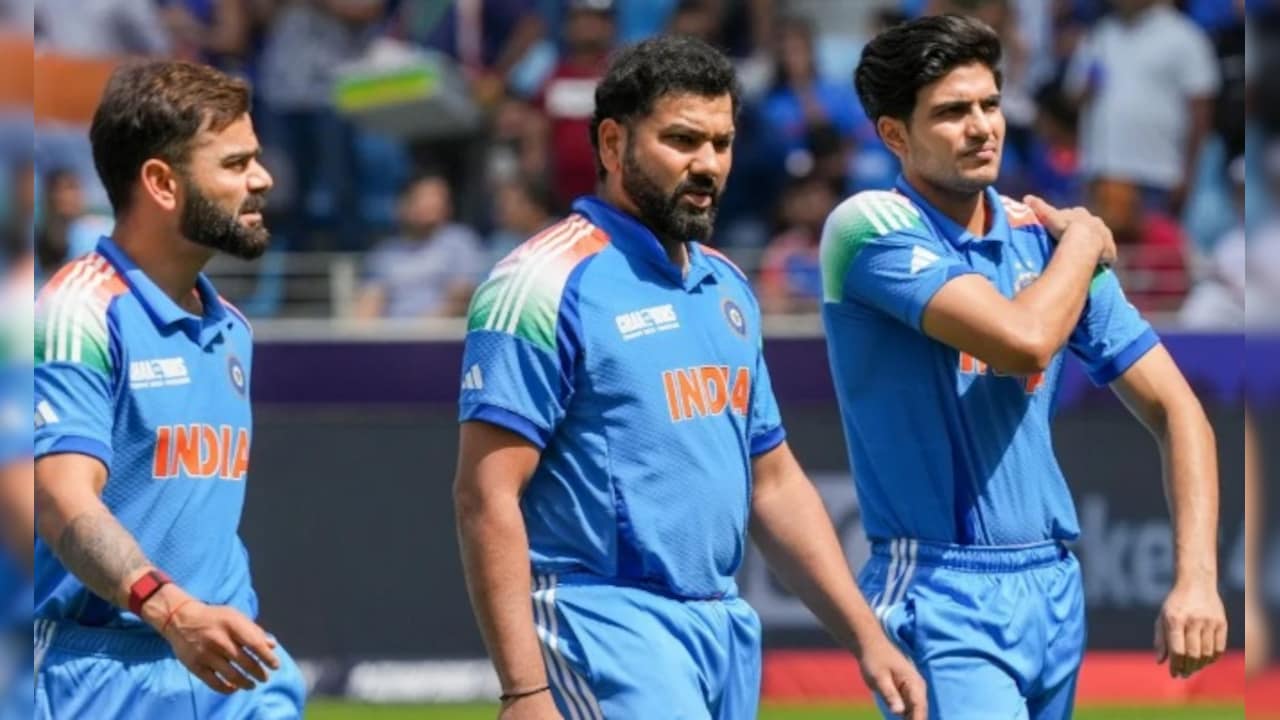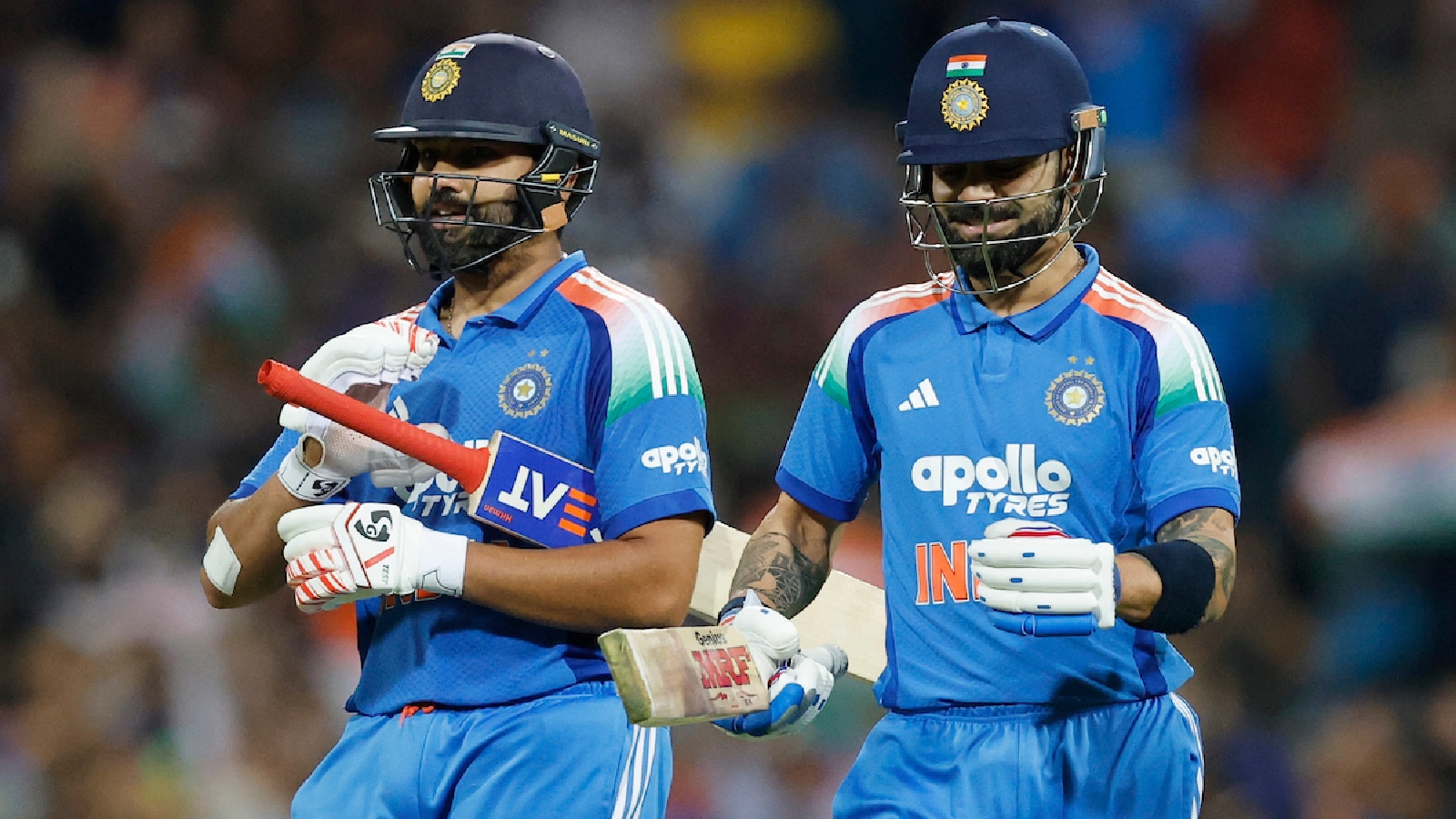
India's next‑generation batsmen must learn to temper aggression on England's seaming tracks. Rohit Sharma and Virat Kohli's decade‑long ODI records prove that pacing and restraint are the true winning formula.
मुख्य बिंदु (Key Takeaways)
- England’s seam conditions demand patience over power
- Rohit and Kohli’s ODI stats show the benefit of slowing the tempo
- Younger Indian batsmen need technical guidance to shift gears
When India’s fledgling T20 line‑up arrived in Birmingham after a brutal fortnight, two senior teammates in the locker room already knew the battle they faced – Virat Kohli and Rohit Sharma. Both have lived through the exact same struggle on English pitches, where no batsman walks away unscathed.
Historical Context and Numbers
Kohli still remembers James Anderson’s relentless swing in 2014, while Rohit’s memory of a missed scoop at Southampton still haunts him. After a seven‑year gap, Rohit finally returned to an English Test in the 2021 World Test Championship final, whereas Kohli’s redemption came in 2018 with a game‑plan built specifically for those conditions.
ODI Performance in England
Now both are in the twilight of their careers, with ODIs the only format they still represent India. Rohit, 39, has amassed 1,426 runs in 27 England ODI innings – an average of 64.9, seven centuries, and a strike‑rate of 90.78. Kohli, 37, has 1,349 runs from 33 innings at 51.88 and a 91.21 strike‑rate. Only one of Kohli’s 54 international centuries came on English soil, underscoring how the limited‑overs format has finally suited their evolved approach.
Technical Insight
Power‑hitting coach Julian Wood cites Rohit’s technique as a template for England’s seam‑friendly conditions: “He gets his hands up high, meets the ball in front, and extends through it – it’s about control, not force.” This precise adjustment – waiting for the bad ball, then capitalising – is what the younger Indian side has yet to master.
Implications for the Next Generation
Players like Yashasvi Jaiswal, Ishan Kishan and Shreyas Iyer still struggle to pace their innings on the moving Dukes ball. While the ODI series will not instantly solve the team’s balance, the discipline of “batting in gears” that Kohli and Rohit embody can be passed on through subtle on‑field corrections, as they have demonstrated repeatedly.
Until selectors decide their post‑2027 futures, Rohit and Kohli’s greatest gift remains the ability to thrive on seaming pitches, ride the bounce, and milk the attack when boundaries are scarce. That nuance is the legacy the dressing room still needs.