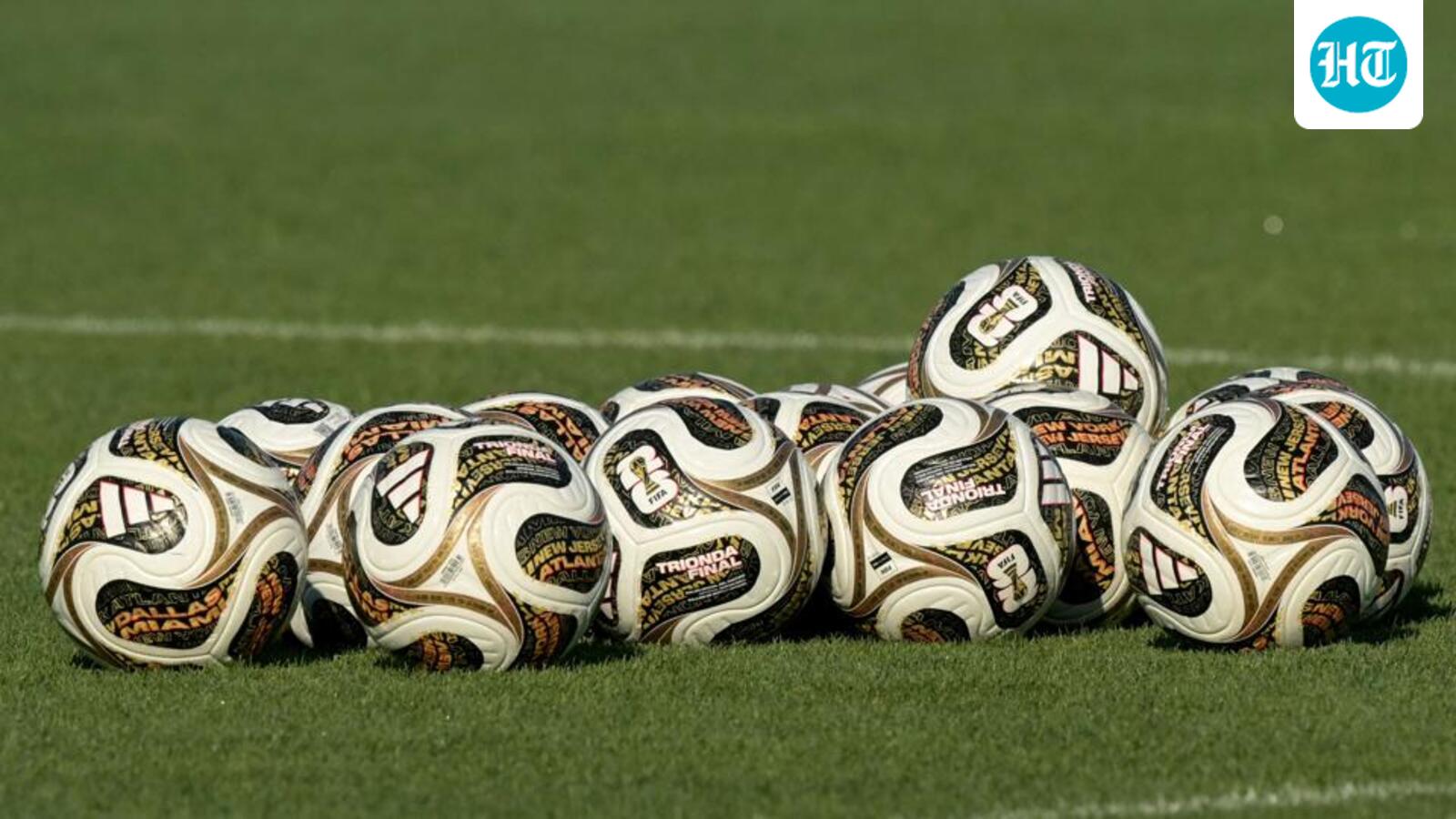
The majority of footballs used in FIFA World Cups are manufactured in Sialkot, a historic city on the Chenab River in Punjab, Pakistan. Since the 1980s, the city has become a global hub for high‑quality match balls, shaping both the sport’s economics and its cultural narrative.
Key Takeaways
- Majority of FIFA World Cup balls are manufactured in Sialkot, Pakistan.
- Since the 1980s, Sialkot has earned worldwide recognition for football production.
- The city’s rich history, from colonial cantonments to historic battles, fuels its sporting legacy.
Sialkot, perched on the banks of the Chenab, is no longer just an industrial town; it is celebrated worldwide as the "Football City." Four out of every five balls that roll across a World Cup pitch are stitched or machine‑made in its factories, making the city an indispensable link in the sport’s supply chain.
Industrial Roots and Growth
Originally a British cantonment established in 1852, Sialkot cultivated a colonial sporting culture that included tennis, hockey, cricket and football. Two Sikh brothers, Ganda Singh Uberai and Jhanda Singh Uberai, seized the opportunity in the 1960s, founding Uberai Sports. By importing sturdy willow for cricket bats and the curved ‘toot’ for hockey sticks from Jammu‑Kashmir, they transformed local craftsmanship into a thriving export industry.
Global Recognition
Adidas has consistently selected Sialkot‑made balls as the official match ball for the tournament’s knockout stages, most famously the “Trionda Final” used in recent semi‑finals and finals. This partnership not only injects billions of rupees into the local economy but also cements Sialkot’s brand equity on the world stage. Today, roughly 1.5 million artisans work in the sector, generating over $70 million in annual exports.
Historical and Cultural Context
The city’s narrative stretches back to references in the Mahabharata as “Sagala,” to Alexander the Great’s conquest of the ancient settlement, and to the 1965 Battle of Chawinda—one of the largest tank engagements since WWII’s Kursk. These layers of history have fostered a resilient, inventive mindset among its craftsmen, blending tradition with modern production techniques.
Future Prospects and Challenges
While climate change, raw‑material price volatility, and shifting trade policies pose challenges, Sialkot’s commitment to technological upgrades, export‑friendly policies, and vocational training ensures it will continue to supply the world’s most coveted footballs. The city’s trajectory suggests that the next generation of World Cup balls will still bear the Sialkot imprint.
