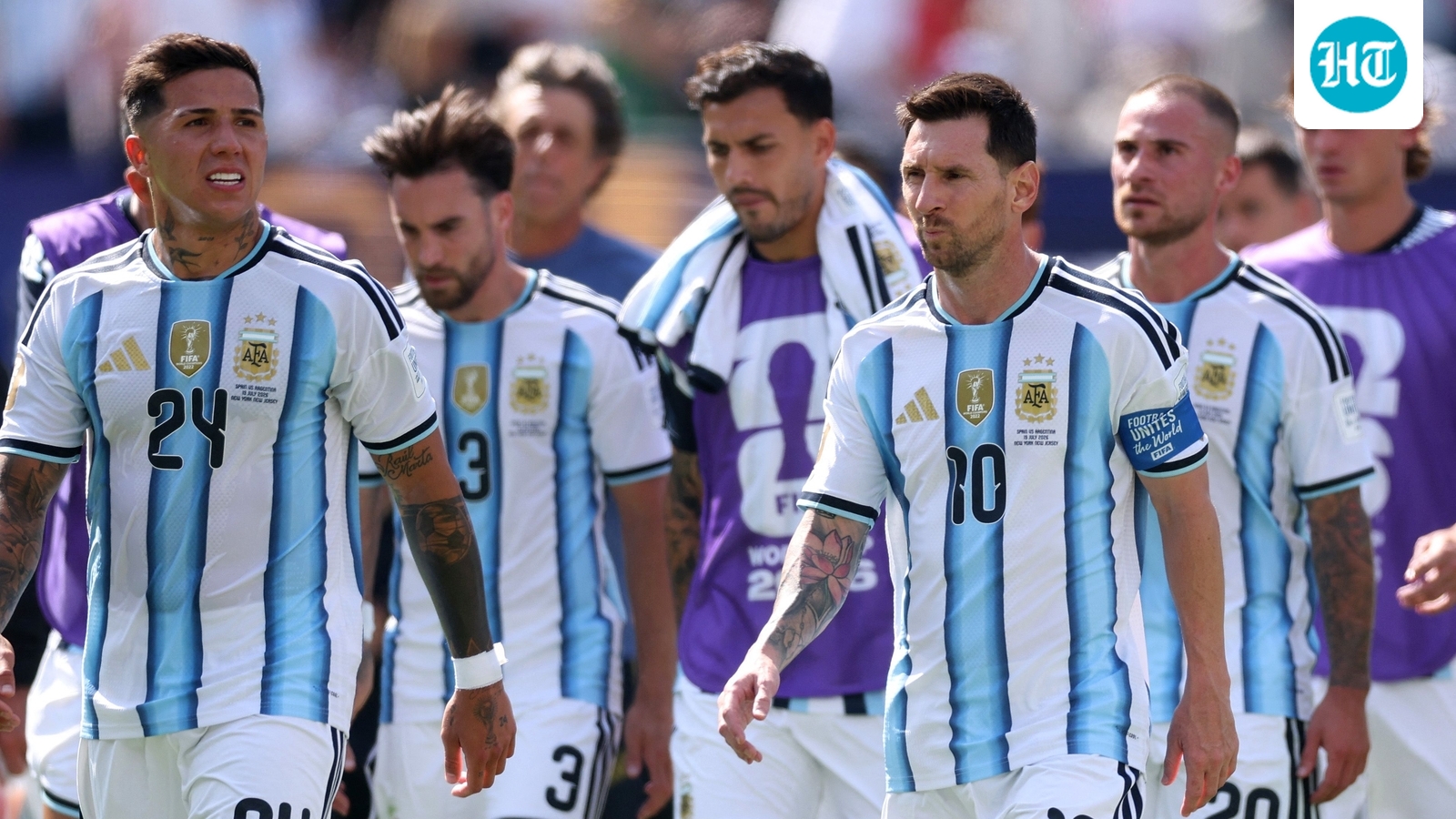
Former Spanish Prime Minister Mariano Rajoy called France’s national football team “no French players,” prompting condemnation from Spain’s current leader and French officials ahead of the World Cup semi‑final. The remark has reignited debates on nationalism, racism and sport’s role in society.
Key Takeaways
- Former PM Mariano Rajoy said the French team has ‘no French players.’
- Spain’s PM Pedro Sánchez labelled the remark xenophobic.
- French politicians and football authorities denounced the comment as racist.
In an opinion piece published on the Spanish news portal El Debate, former Prime Minister Mariano Rajoy described France’s national football squad as “having no French players.” The statement, released on 12 July 2026, arrived just days before Spain is set to meet France in the FIFA World Cup 2026 semi‑final.
Political Fallout in Madrid and Paris
Spain’s current Prime Minister Pedro Sánchez reacted swiftly on X (formerly Twitter), calling Rajoy’s words “xenophobic” and reminding citizens that “Spain belongs to those who love it and work for it, not to those who shame it with xenophobic statements.” Transport Minister Óscar Puente dismissed Rajoy as a “post‑Franco idiot,” intensifying domestic criticism.
Across the border, French Interior Minister Laurent Nunez told BFMTV that the comment was “absolutely unacceptable.” Communist leader Fabien Roussel likened Rajoy’s remark to the controversial statements made by Paraguayan Senator Celeste Amarilla, which had also been condemned as racist.
Football Community’s Response
French Football Federation President Philippe Diallo** described Rajoy’s comment as carrying an “intolerable undertone of racism.” The French embassy in Madrid clarified that out of 26 squad members, 23 were born in France and the remaining three, although born abroad, are French citizens.
Minister for Discrimination Aurore Berge urged that sport return to being judged solely on talent, not on skin colour, religion, or nationality. France’s Socialist Party leader Olivier Faure added on X that “France has no skin colour or religion.”
Historical Context of Nationalist Rhetoric in Sport
Incidents of nationalist or xenophobic language in football are not new. In 2022, Paraguayan Senator Celeste Amarilla referred to Kylian Mbappé as a “colonised Cameroonian pretending to be French,” sparking international backlash. Such remarks often surface during high‑stakes tournaments, where national pride and political narratives intertwine with sport.
Broader Social Implications
France’s Minister for Overseas Territories, Naïma Moutchou, called Rajoy’s statement evidence of “systematic and widespread hatred of France and what the nation stands for.” She warned that each French victory is followed by a resurgence of “racist obsessions and insults.”
Experts suggest that the upcoming semi‑final will be watched not only for the quality of play but also as a litmus test for how European societies confront xenophobia in the public sphere. If handled responsibly, the match could become a catalyst for dialogue on inclusion and the true meaning of national identity in sport.
What Lies Ahead?
With the world’s eyes on the pitch, both governments and football bodies face pressure to keep the focus on the game while condemning hate speech. The outcome of the match may set a precedent for how future controversies are managed, potentially shaping policies that protect athletes from discriminatory rhetoric.