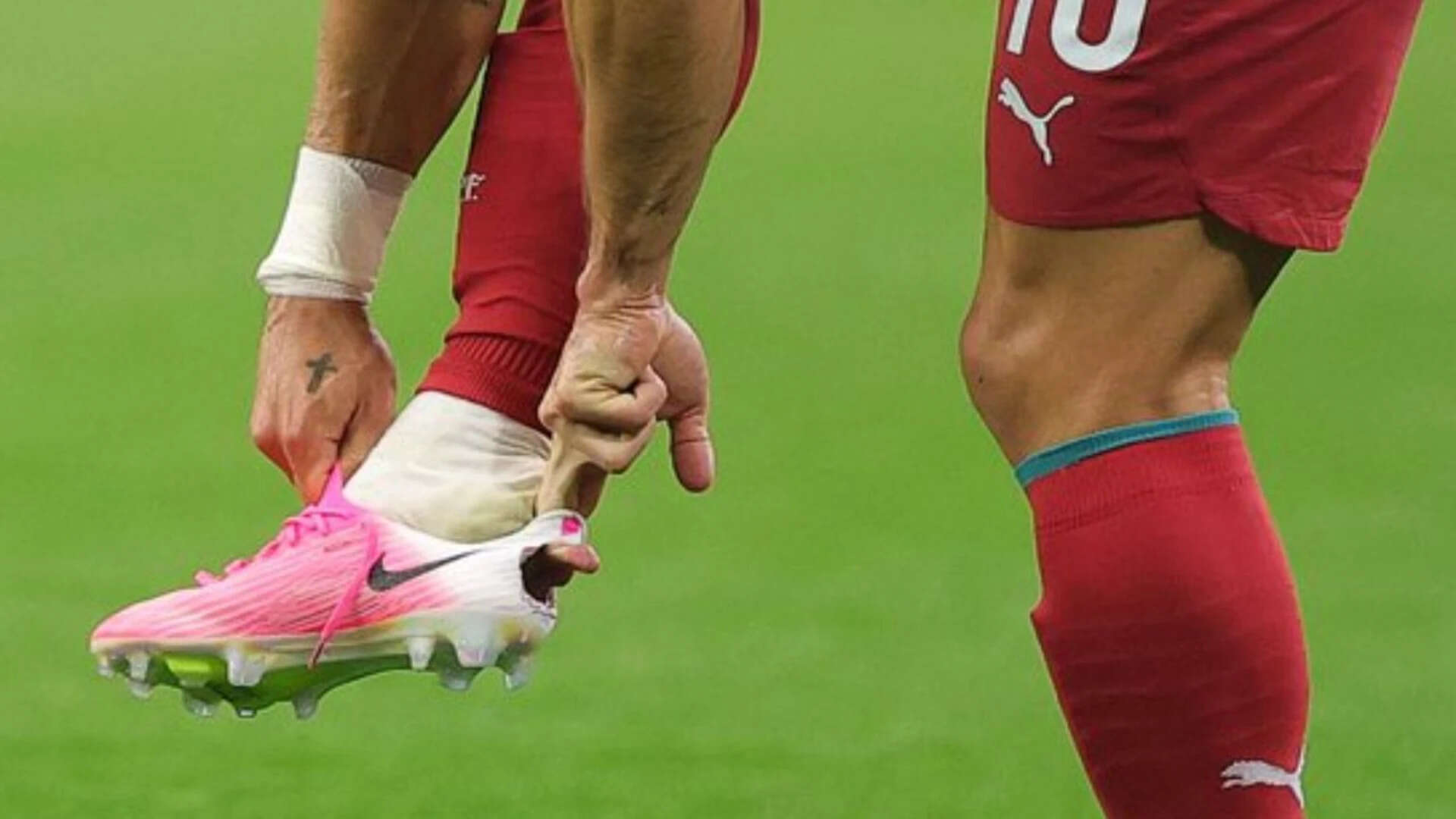
Modern professional footballers are customizing their footwear by cutting out the heels of their cleats to combat Haglund's deformity. This radical modification highlights the extreme physical demands of elite sports.
Key Takeaways
- Professional footballers are cutting holes in the heels of their cleats to relieve intense pressure.
- The trend addresses Haglund's Syndrome, a painful bone enlargement near the Achilles tendon.
- Players like Chelsea's Pedro Neto have popularized this custom modification to maintain peak performance.
In the high-octane world of professional football, every minor adjustment can mean the difference between peak performance and a season-ending injury. Recently, sharp-eyed fans have noticed a bizarre trend on the pitch: elite players cutting holes directly into the heels of their expensive, state-of-the-art cleats. While it may look like an odd fashion statement or a manufacturing defect, this radical modification is actually a calculated medical intervention designed to keep players on the field.
Understanding Haglund's Syndrome
At the heart of this trend is a painful medical condition known as Haglund's syndrome (often referred to as Haglund's deformity). This condition involves a benign bony enlargement on the back of the heel, which constantly rubs against the rigid back of modern football boots. The resulting friction leads to severe inflammation of the Achilles tendon and the surrounding bursa, causing excruciating pain during sudden sprints, pivots, and long runs on the pitch.
Pedro Neto and the DIY Footwear Trend
High-profile athletes, including Chelsea's Portuguese winger Pedro Neto, have openly embraced this DIY footwear modification. By physically removing the stiff heel counter of the boot, players instantly eliminate the direct pressure point against the inflamed bone. While sports brands invest millions in designing aerodynamic and ultra-lightweight footwear, the rigid synthetic materials often fail to accommodate the unique anatomical variations of individual athletes, forcing players to take matters into their own hands.
The Evolution of Custom Athletic Gear
This phenomenon highlights a broader shift in professional sports toward personalized biomechanical solutions. In the past, athletes were expected to adapt to their gear; today, gear must adapt to the athlete. Club podiatrists and physiotherapists often approve or even assist in these boot modifications. Looking forward, this trend is likely to push major sportswear giants to rethink their heel counter designs, introducing more flexible and adaptive materials to accommodate players' health needs.