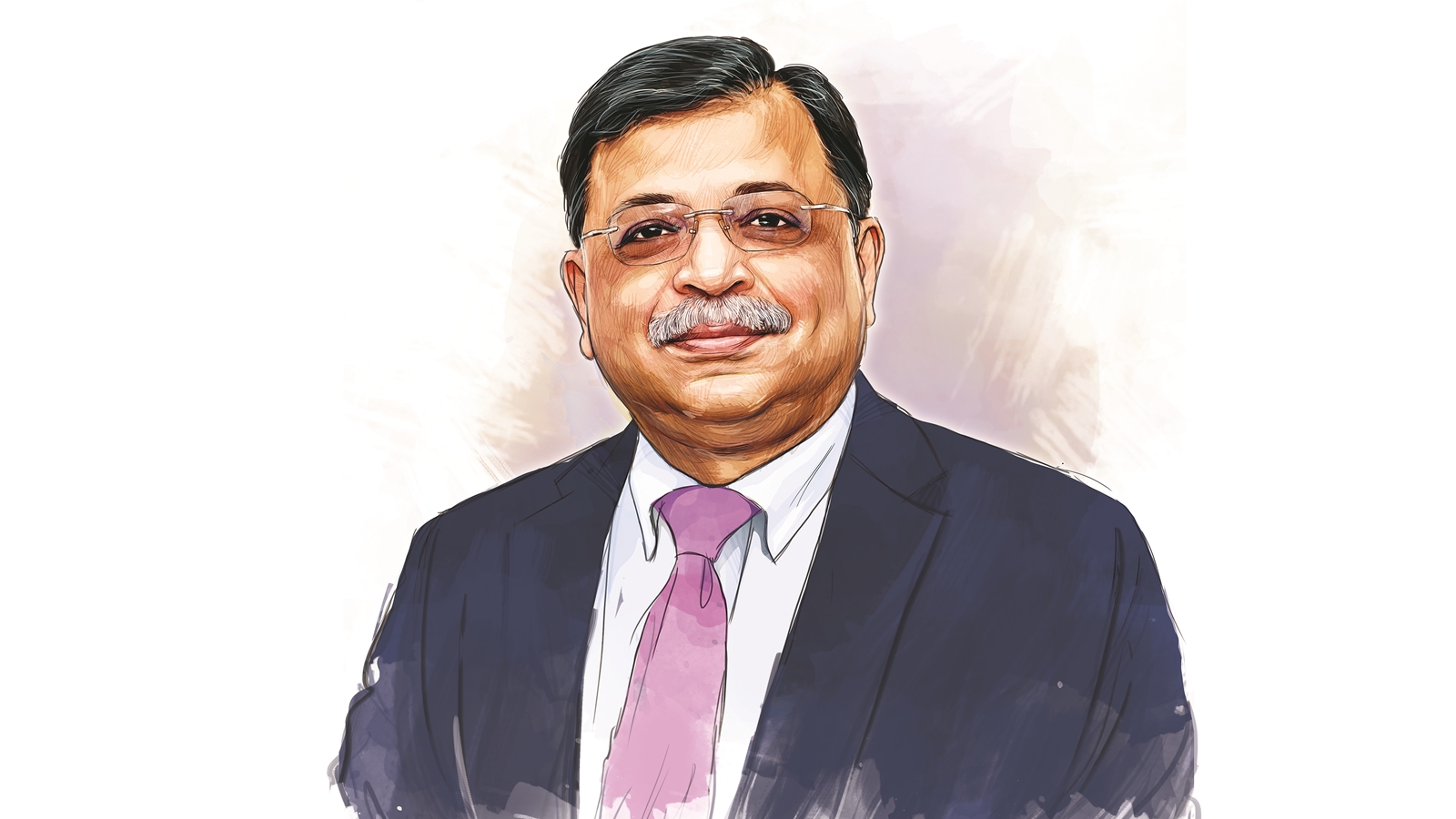
Adille Sumariwalla revealed that more than 25 national records have been broken in the last four months, attributing the surge to a decentralized training model, foreign coaching support and the Neeraj Chopra effect. He also outlined India’s preparation for the Asian Games, Commonwealth Games and a tougher stance on doping.
Key Takeaways
- Decentralized camps have triggered a wave of record‑breaking performances
- Foreign coaches and private sponsors are bolstering bench strength
- India is moving toward criminalising doping among junior athletes
A Wave of Record‑Breaking— In an unprecedented four‑month span, Indian athletes shattered over 25 national records, the fastest tally in two decades. Sumariwalla emphasized that this is not luck but the outcome of systematic reforms that have deepened competition across every discipline.
Decentralized Training Model
After the Paris Olympics, the Athletics Federation of India dismantled the 300‑day national camp system. Instead, state governments such as Odisha and Tamil Nadu, along with corporate partners like Reliance and JSW, have set up regional hubs staffed by foreign coaches. Athletes now train “wherever they want” except for relay events, which remain centrally coordinated. This flexibility has turned training centers into mini‑competitions, driving athletes to constantly improve.
Tackling the Doping Crisis
Sumariwalla warned that doping among junior athletes has become a “national terror” and announced a push to criminalise the practice—a stance he has advocated for seven years. He highlighted that coaches are now required to teach athletes to “protect themselves” to avoid injuries and, by extension, the temptation to resort to performance‑enhancing substances.
Strategic Focus Ahead of Major Games
With the Commonwealth Games and Asian Games slated for the same year, Sumariwalla believes the priority must be the Asian Games, where India’s medal prospects are higher. He explained that athletes are being entered in at least two events before final trials, a move designed to broaden experience and reduce the risk of over‑specialisation.
Global Vision and Future Leadership
When asked about his potential run for World Athletics presidency, Sumariwalla stressed the need for a clear vision statement that accommodates the diverse realities of Africa, South America, the Caribbean, Oceania and the Americas. Domestically, he called for an ecosystem that multiplies coaches, trainers and qualified officials across India’s 650 districts, noting that current numbers are insufficient for sustained success.
Sumariwalla’s remarks paint a picture of a sport in transition—one that blends grassroots expansion, elite foreign expertise and stringent anti‑doping measures to build a resilient bench that can compete on the world stage for years to come.