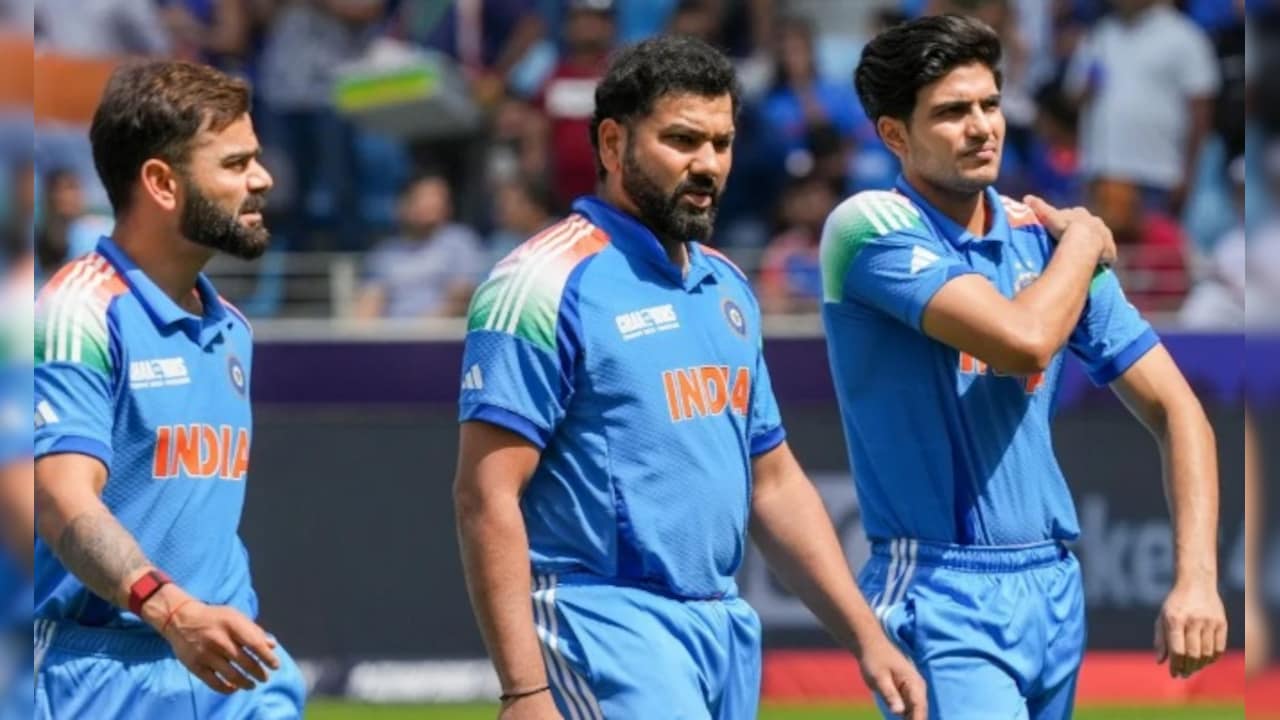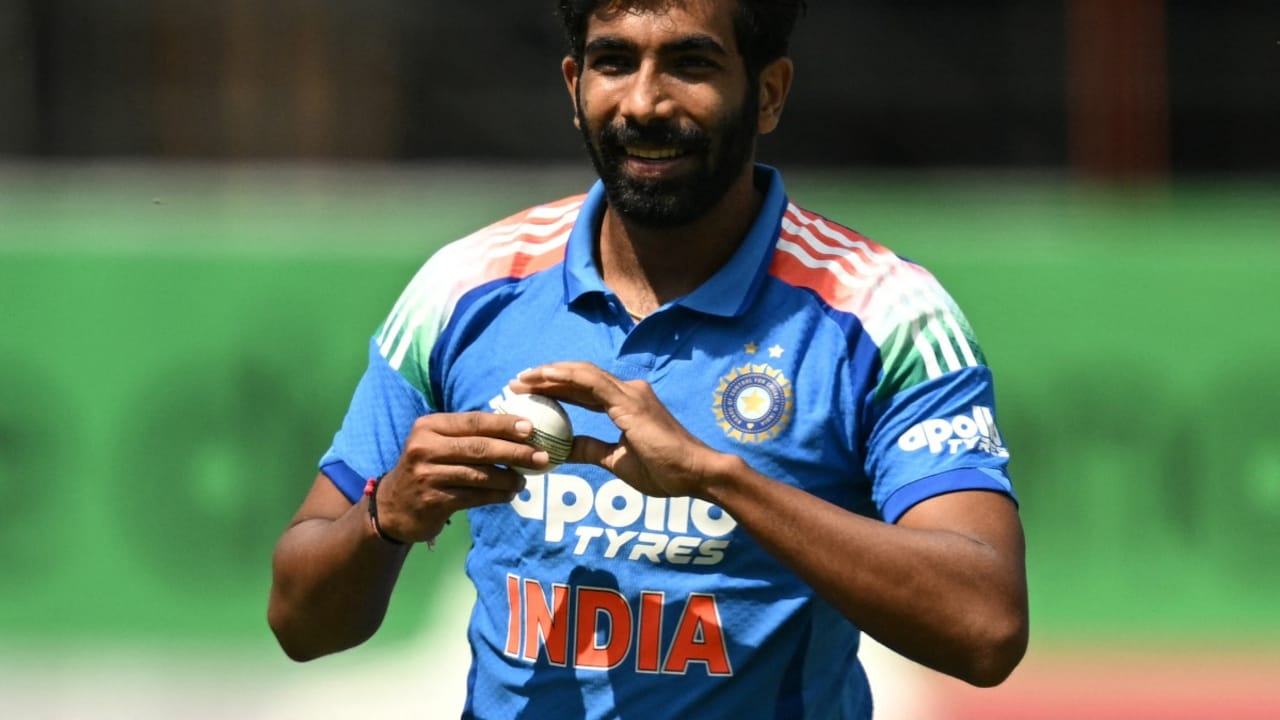
India’s decision to omit Kuldeep Yadav from the first ODI XI against England sparked sharp criticism from Gautam Gambhir and Shubman Gill, who argued that Jasprit Bumrah cannot be the sole answer. The controversy has ignited a broader debate among pundits and fans about team balance and selection logic.
मुख्य बिंदु (Key Takeaways)
- Kuldeep Yadav left out of India's first ODI XI
- Gautam Gambhir and Shubman Gill question Bumrah as the sole answer
- Selection rationale splits experts on strategy and pitch conditions
When India announced its playing XI for the opening ODI against England, the absence of left‑arm pacer Kuldeep Yadav raised eyebrows across the cricketing world. Two senior players, Gautam Gambhir and Shubman Gill, took to social media to challenge the notion that Jasprit Bumrah could single‑handedly resolve the team's bowling concerns. Their comments framed the selection as a strategic misstep, prompting a heated discussion on whether the squad possessed enough variety to counter England’s batting line‑up.
Selection Context and Pitch Assessment
India’s selection panel typically blends recent form, venue specifics, and opposition strengths when drafting line‑ups. In the weeks leading up to the series, Kuldeep Yadav had been delivering consistent wicket‑taking spells in domestic tournaments, showcasing a commendable economy and a knack for generating swing. Conversely, Bumrah remains one of the world’s fastest bowlers, known for his lethal death‑over deliveries. The panel, however, cited the expected low‑pace, low‑bounce conditions at the venue as a reason to favour raw speed over swing, thereby granting Bumrah the marquee role.
Gambhir and Gill’s Rebuttal
Gambhir posted, “You can’t treat Bumrah as a universal answer, especially when we lack variety. Leaving Kuldeep out is a huge error; his left‑arm angle could have troubled England’s top order.” Gill echoed the sentiment, adding, “Our attack needs different tools. Bumrah is a world‑class bowler, but he cannot shoulder every situation alone.” Their statements instantly resonated with fans, spawning a wave of commentary on the need for a balanced attack.
Expert Opinions Diverge
Cricket analysts highlighted two core factors influencing the decision: the pitch’s pace and the composition of England’s batting side, which lacks a dominant fast‑bowling threat. Some experts argue that Kuldeep’s left‑arm seam and ability to swing the ball could have been pivotal in early overs, while others contend that Bumrah’s sheer pace and death‑over mastery are more decisive in modern limited‑overs cricket. This split underscores the ongoing tension between data‑driven selection models and seasoned intuition.
Implications for Future Matches
If India’s strategy leans heavily on Bumrah and the side secures victories, the selection board may cement its current approach. However, a lackluster performance could compel a reevaluation, potentially reintegrating Kuldeep for the next ODI or T20 fixture. The outcome will not only affect the immediate series but could also reshape India’s long‑term bowling philosophy, emphasizing either speed dominance or a more diversified attack.