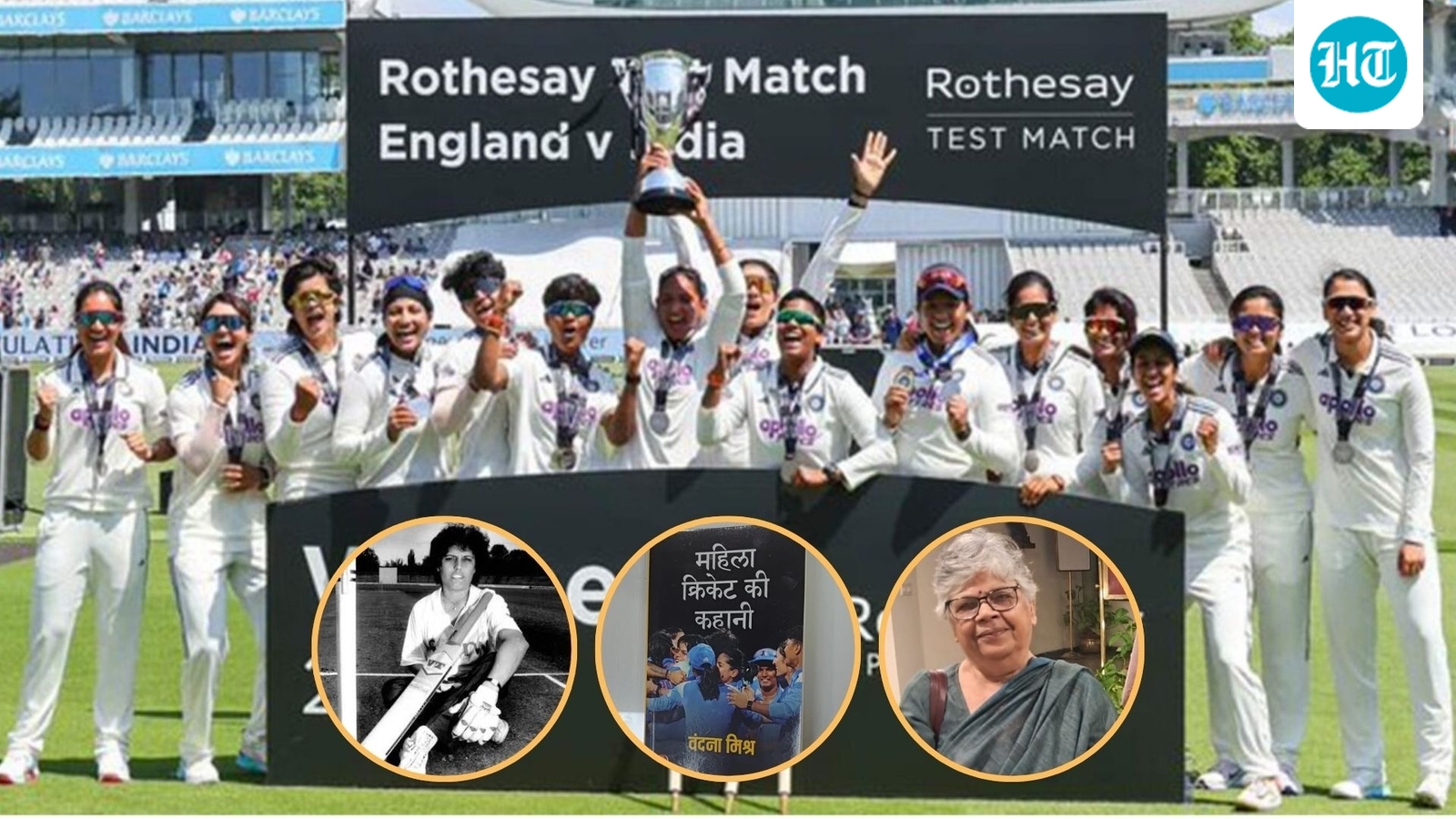
India’s women’s cricket team secured a landmark Test victory over England at Lord’s, reviving the painful memory of Diana Edulji’s 1987 pavilion exclusion. The win signals a new era of recognition for Indian women cricketers who have long fought for equality.
Key Takeaways
- India women clinch a historic Test win at Lord's.
- Diana Edulji’s 1987 pavilion snub resurfaces, highlighting past gender bias.
- Kranti Gaud’s five‑wicket haul and Yastika Bhatia’s century set new records.
In a moment that will be etched in cricket folklore, the Indian women’s team defeated England in a one‑off Test at the iconic Lord’s Cricket Ground. Beyond the on‑field triumph, the victory resurrects the 1987 incident where former captain Diana Edulji was denied entry to the MCC pavilion, underscoring how far the women’s game has travelled.
The 1987 Pavilion Controversy
During the 1987 England tour, Edulji, leading the side, was allegedly barred from the pavilion – a stark reminder of the gendered discrimination prevalent in that era. Angered, she famously suggested the Marylebone Cricket Club be renamed “Male Chauvinist Pig (MCP).” Author Vandana Mishra chronicled this episode in her book “Bharat Mein Mahila Cricket Ka Ithihas,” released earlier this year at the New Delhi World Book Fair.
Milestones from the Recent Victory
New‑generation stars turned the page. Kranti Gaud claimed the first five‑wicket haul by an Indian woman at Lord’s, while Yastika Bhatia became the inaugural Indian woman to score a Test century at the venue. Their individual feats amplified the collective celebration, marking a watershed moment for the sport.
Vandana Mishra’s Two‑Decade Research
Mishra’s journey began in 2007 after Jhulan Goswami was named ICC Cricketer of the Year yet received scant recognition at home. Determined, she embarked on a twenty‑year research project that compiled rare records, statistics, and personal narratives of Indian women cricketers. The book not only documents achievements but also the systemic hurdles—discrimination, lack of facilities, and limited media coverage—that players endured.
Implications for the Future
Following last year’s World Cup triumph, this Test win cements India’s women as a formidable force on the global stage. The success is poised to inspire a new generation, attract sponsorship, and drive policy changes that grant women cricketers parity with their male counterparts. As the sport gains mainstream acceptance, India’s women are set to rewrite the narrative of cricket itself.