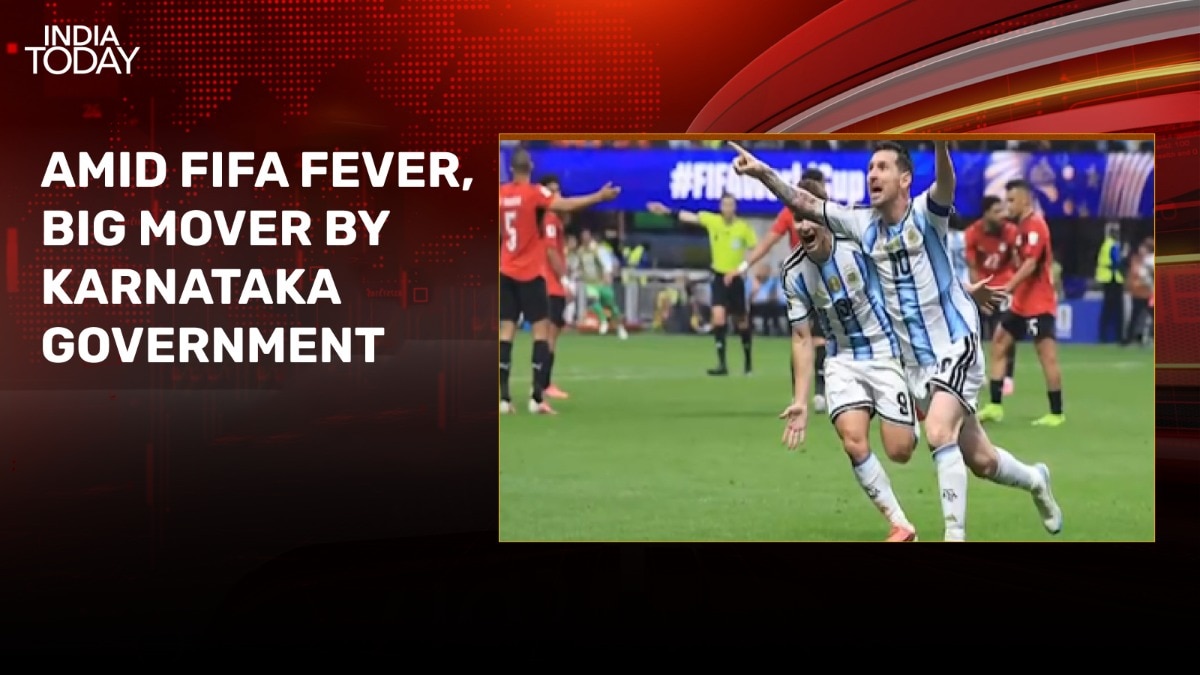
Karnataka's state government has announced that restaurants may stay open until 3:30 am during FIFA World Cup games, catering to late‑night fans and promising a boost to the hospitality sector. The move aligns with broader efforts to capitalize on the global tournament's economic potential.
मुख्य बिंदु (Key Takeaways)
- Restaurants allowed to operate until 3:30 am during FIFA World Cup
- Policy applies to major cities across Karnataka
- Hospitality industry expects up to 15% revenue uplift
Karnataka’s government issued a special notification on Friday, permitting eateries across the state to remain open until 3:30 am for the duration of the 2026 FIFA World Cup matches. The decision responds to the growing demand from football fans who often stay up late to watch games and desire food service beyond traditional closing hours.
Policy Background
Historically, Karnataka imposed a 10 pm curfew on alcohol sales and nightlife venues, forcing many restaurants and bars to close shortly after midnight. In 2022‑23, the state began relaxing these restrictions in tourist‑focused districts to stimulate economic activity. The new rule expands that flexibility to cover a major international sporting event, signaling a shift toward event‑driven economic policy.
Economic Impact and Industry Response
According to Rajesh Karnik, president of the Hospitality Association of Karnataka, the measure could act as a “significant catalyst” for the state’s economy. Preliminary estimates suggest a 12‑15% rise in daily revenue for restaurants during the tournament, potentially creating thousands of additional jobs. Leading hotel chains and independent eateries have already begun tailoring menus to appeal to an international audience.
Security and Social Considerations
While the industry welcomed the announcement, the state police have pledged strict enforcement. Additional personnel will monitor traffic, regulate alcohol sales, and maintain public order. Social groups caution that extended late‑night operations could increase noise and public‑health concerns, urging vigilant oversight.
Future Implications
If successful, Karnataka’s approach could serve as a blueprint for other Indian states looking to harness the commercial upside of large‑scale sports events. A proven model might lead to similar time‑extension provisions for future tournaments, amplifying the national hospitality sector’s growth trajectory.