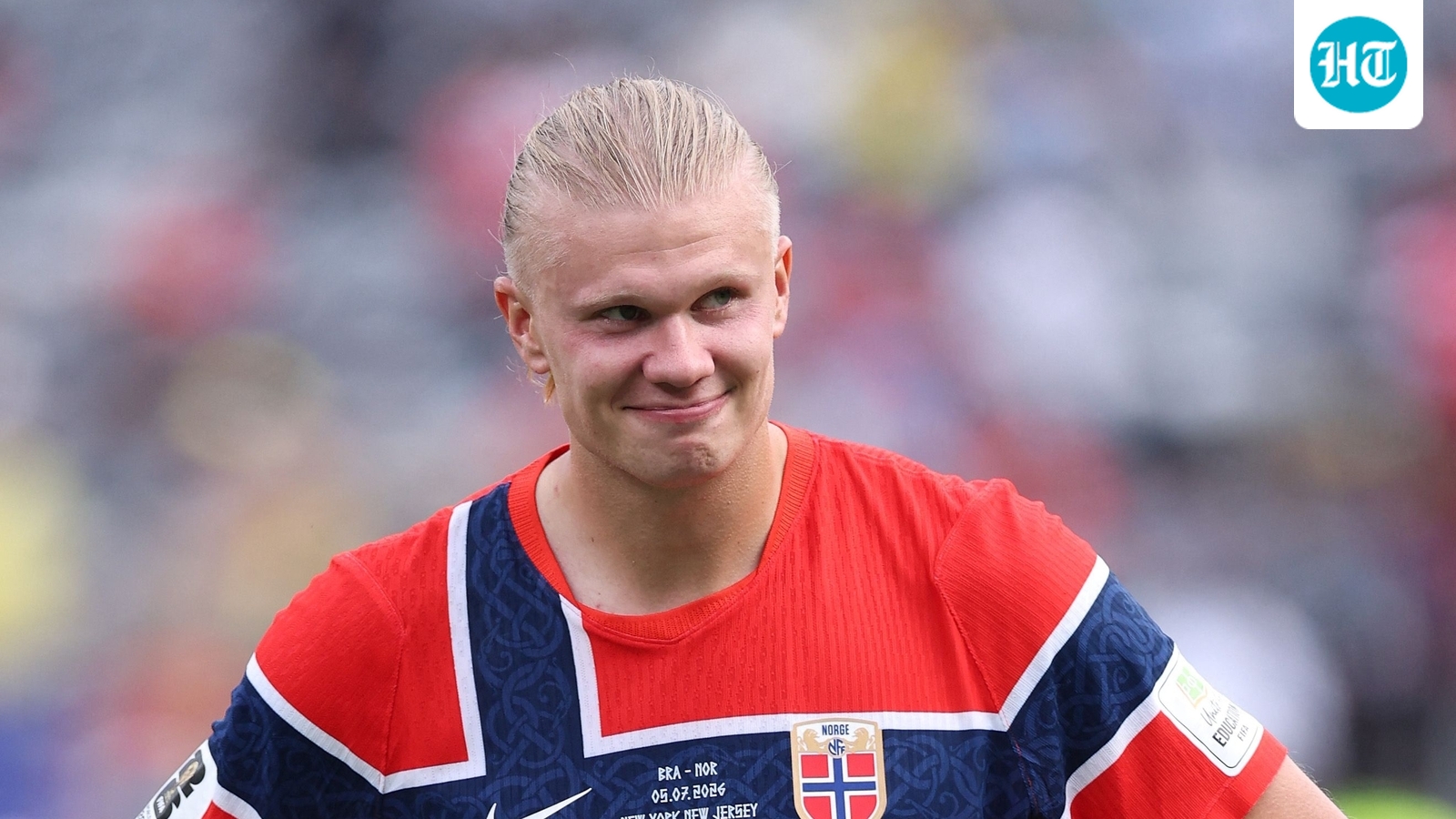
Peru's national identity registry reports a sharp rise in newborns named after Erling Haaland after the World Cup kicked off. So far, 468 children carry his surname and 91 have been given the full name "Erling Haaland," reflecting the striker's cultural impact on a new generation.
Key Takeaways
- 468 Peruvian newborns bear the surname Haaland.
- 91 babies have been registered with the full name Erling Haaland.
- The naming trend spiked during the early weeks of the World Cup, especially as Norway reached the quarter‑finals.
Haaland’s footprint in Peru – Norway’s striker lit up the 2026 FIFA World Cup with seven goals, and his exploits quickly transcended the pitch. Peru’s identity registry data shows a pronounced surge in registrations for the name after the tournament began, with the peak coinciding with Norway’s progression to the quarter‑finals.
Historical backdrop: football‑driven baby names
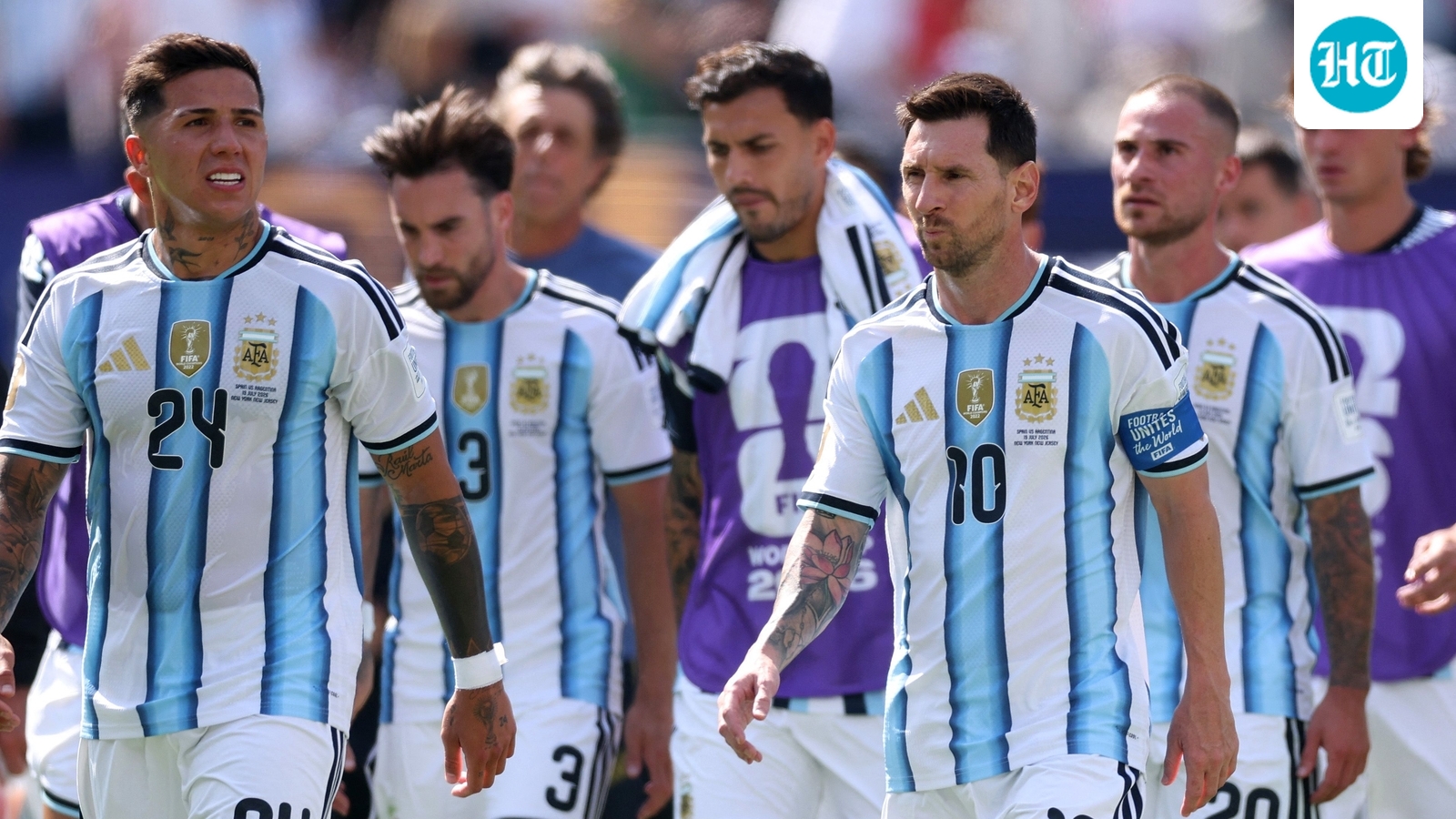
Peru has long allowed football heroes to shape naming trends. The registry lists 3,402 citizens named “Messi,” including 292 who carry the full name Lionel Messi. Cristiano Ronaldo accounts for 1,185 namesakes, while 1,241 children are named after Spanish prodigy Lamine Yamal. Neymar remains the most popular, with 33,809 Peruvians sharing his name.
Social media amplification
Every goal, celebration and off‑field meme featuring Haaland flooded Instagram, TikTok and Twitter. A generation raised on these platforms translated digital fandom into real‑world decisions, registering newborns with the striker’s name as a tribute and a badge of modern pop‑culture identity.
Registry spokesperson’s insight
Ivan Torres, spokesperson for the civil registry, explained, “Different football stars inspire Peruvians to register their children with these names.” He added that the majority of Haaland‑named babies were recorded in the weeks following the World Cup’s opening, underscoring how quickly a sporting narrative can become a demographic phenomenon.
Analysts suggest that if Norway were to capture a trophy, the naming wave could swell further, mirroring past spikes seen after Lionel Messi’s 2022 triumph. The trend also offers a unique lens for demographers studying how global sports events influence cultural practices in South America.