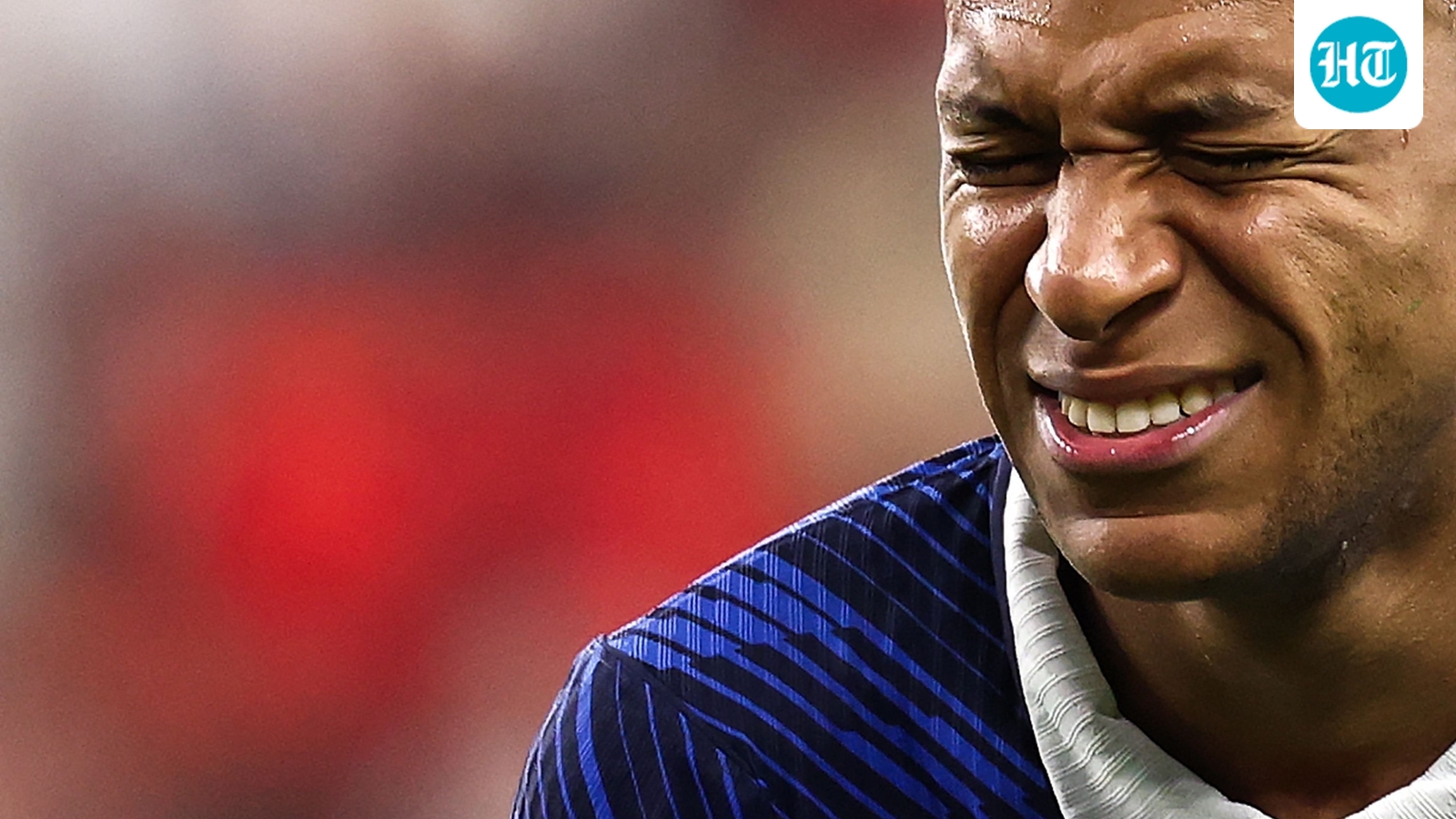
France entered the tournament unbeaten, but a 2‑0 semi‑final loss to Spain revealed how the World Cup’s single‑match knockout can erase six perfect games in an instant.
मुख्य बिंदु (Key Takeaways)
- France finished the group stage with six wins, 16 goals and only two conceded.
- Kylian Mbappé contributed 8 goals and 3 assists, directly involved in 69% of France’s goals.
- A single 2‑0 semi‑final defeat nullified all prior achievements under the current format.
In the 2026 FIFA World Cup, France built an almost flawless record before the semi‑final. They dispatched Sweden 3‑0, edged Paraguay 1‑0, and eliminated Morocco 2‑0, keeping clean sheets in all three knockout games while scoring 16 goals and conceding just two.
Mbappé’s Dominance and Team Balance
At the heart of this run was Kylian Mbappé. Arriving at the semi‑final with eight goals and three assists, he was directly involved in 11 of France’s 16 goals – a staggering 69% contribution. Beyond raw numbers, Mbappé consistently created chances across both group‑stage and knockout rounds, making France the most statistically balanced side: highest points, best goal‑difference among semifinalists, and an attack that combined volume with efficiency.
The Turning Point: Spain’s 2‑0 Victory
Spain’s disciplined press denied Mbappé his usual spaces, neutralising the French attack and winning 2‑0. The loss turned a perfect campaign into a single defeat, instantly ending France’s title hopes. The result exposed the unforgiving logic of the World Cup: a team can dominate six matches and still see its destiny decided by the seventh.
League vs. Tournament Logic
In a league format, France’s defeat would have cost them only a point, leaving the title race intact. After six matches, France would have 18 points; Spain, with five wins and a draw, would sit on 16. A 2‑0 win for Spain would simply move them to 19 points, keeping the competition alive. The league rewards accumulated excellence; a single poor performance does not erase prior success.
Knock‑out Protection in Other Competitions
Similarly, the UEFA Champions League mitigates sudden death by playing two‑legged ties (except the final). A 2‑0 first‑leg loss forces tactical adjustments for the return match, offering a chance to overturn the deficit. The World Cup’s single‑match knockout, however, reduces a team’s entire tournament to one evening, where an early mistake or tactical mismatch can become irreversible.
Implications for Future Formats
The episode raises the question of whether the World Cup should adopt a more forgiving structure—perhaps two‑legged semifinals or an expanded group phase—to balance excitement with fairness. Such changes could allow dominant teams like France to recover from an off night and ensure that the best‑performing side over the whole tournament is truly crowned champion.
In summary, Mbappé’s eight‑goal haul and three assists made him the tournament’s standout player up to the semi‑final, yet the format’s harsh finality rendered his contributions moot in the decisive match. The incident underscores that in football, success hinges not only on performance but also on the architecture of the competition itself.