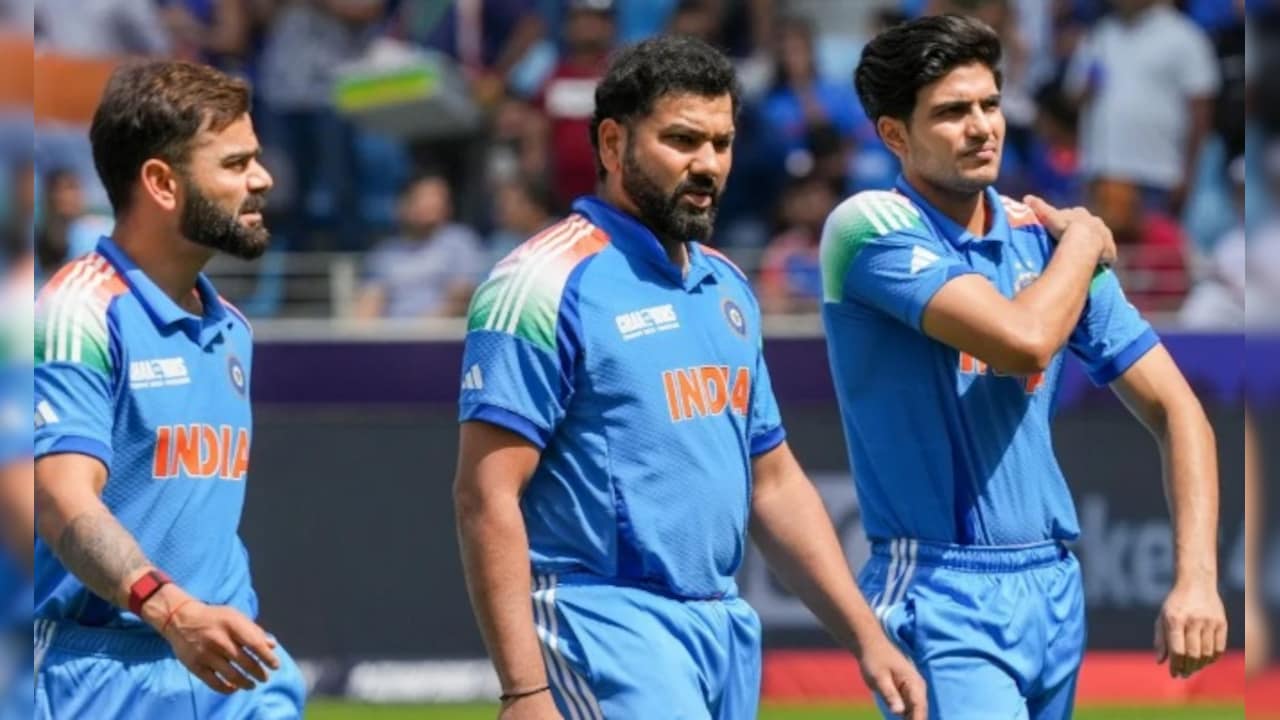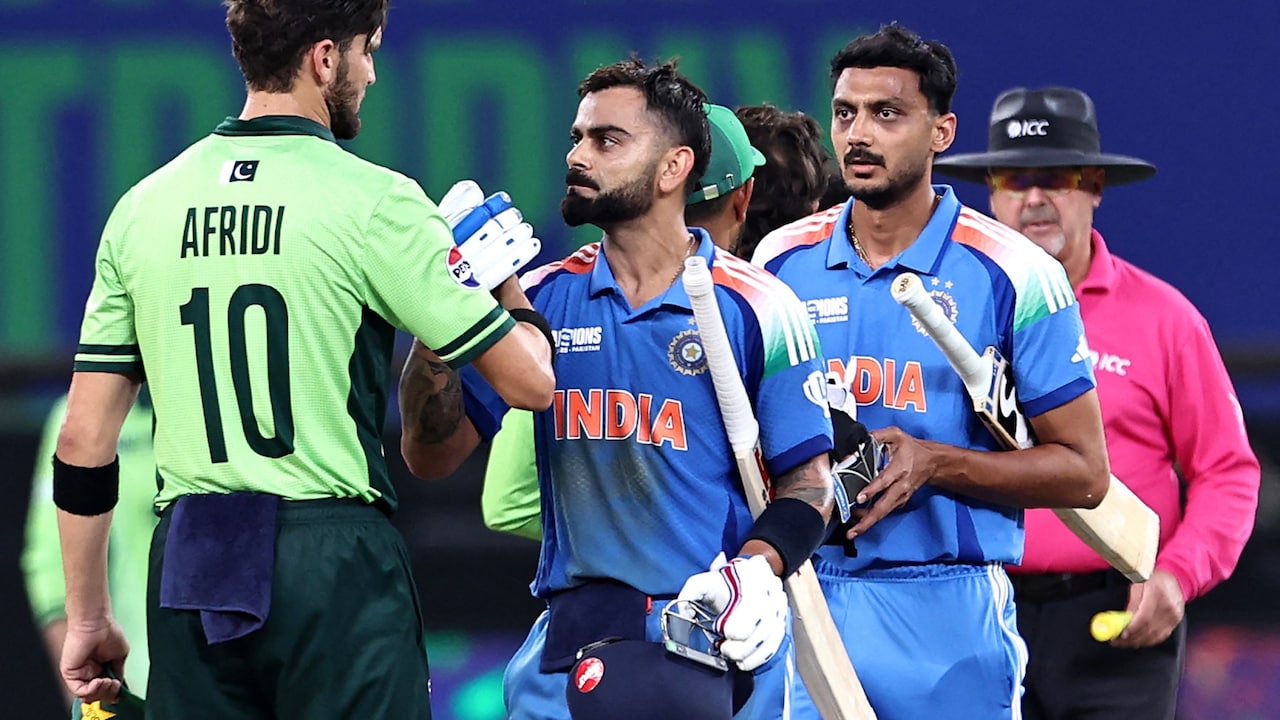
The ICC has unveiled a revamped format for the 2027 ODI World Cup, potentially paving the way for multiple high-octane India-Pakistan encounters.
Key Takeaways
- The ICC has announced a revamped format for the 2027 Men's ODI World Cup.
- The new structure increases the likelihood of multiple India vs Pakistan matches.
- The changes aim to maximize high-stakes matchups and tournament excitement.
In a move that has sent shockwaves through the cricketing fraternity, the International Cricket Council (ICC) announced on Wednesday a significant overhaul of the format for the 2027 Men's One-Day International (ODI) World Cup. This strategic restructuring is poised to fundamentally change how major tournaments are contested, most notably by increasing the frequency of the most anticipated rivalry in sports: India vs Pakistan.
The Mechanics of the New Format
Under the proposed revamped structure, the tournament's progression through group stages and super-rounds is designed to ensure that top-tier teams face each other more frequently. Historically, an India-Pakistan clash in a World Cup is a rare and precious event, often occurring only once in the group stages or in the knockout phases. However, with the new ICC blueprint, the mathematical probability of these two giants meeting up to three times within a single tournament cycle has significantly increased.
Economic and Sporting Implications
The motivation behind this shift is twofold: sporting intensity and commercial viability. From a sporting perspective, more high-pressure matches between elite teams elevate the standard of competition. From a commercial standpoint, the 'India vs Pakistan' brand is unparalleled. The viewership numbers and advertising revenue generated by a single match between these two nations often dwarf those of other international fixtures combined. By facilitating more such encounters, the ICC is essentially securing the financial future of global cricket.
A New Era for ODI Cricket
As the cricketing world digests this news, the focus now shifts to how individual national boards, particularly the BCCI and the PCB, will react to these structural shifts. While the move is widely expected to be welcomed by broadcasters, it also raises questions about player fatigue and the balance of the tournament. Nevertheless, for the millions of fans worldwide, the prospect of seeing the Men in Blue face their arch-rivals multiple times in a single month is nothing short of a dream come true.