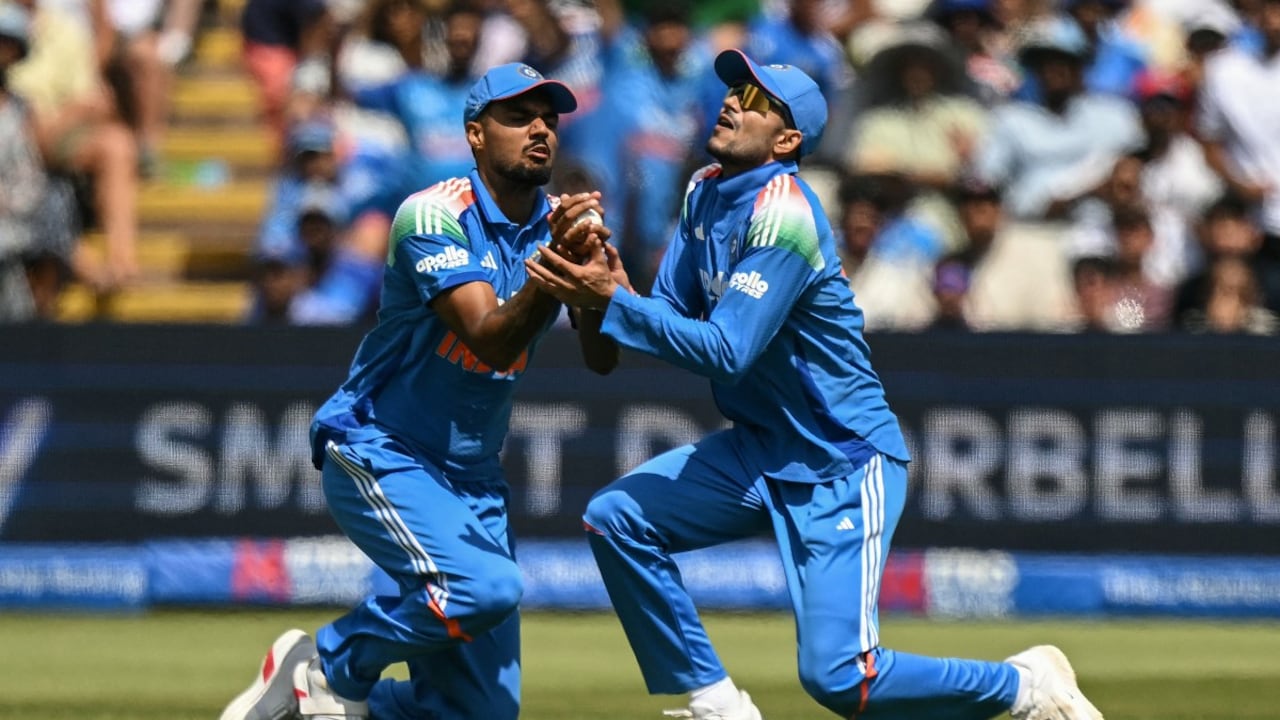
After two consecutive T20I defeats, India secured a six‑wicket win in the opening ODI, boosting confidence. England’s focus now shifts to a stronger batting display to bounce back.
Key Takeaways
- India’s first ODI win provides a morale boost after a string of T20 losses.
- Shubman Gill’s 80‑run knock and Jasprit Bumrah’s economical spell were pivotal.
- England must stabilise its top order and tighten bowling to avoid another heavy defeat.
On July 16, 2026, the second ODI of the India‑England series unfolded at Sophia Gardens, Cardiff. The first ODI, played in Birmingham, saw India clinch a six‑wicket victory – a rare bright spot after six straight T20I defeats on English soil. That win injected fresh optimism into the Indian camp while England grappled with a deteriorating record in the United Kingdom.
Highlights from the First ODI
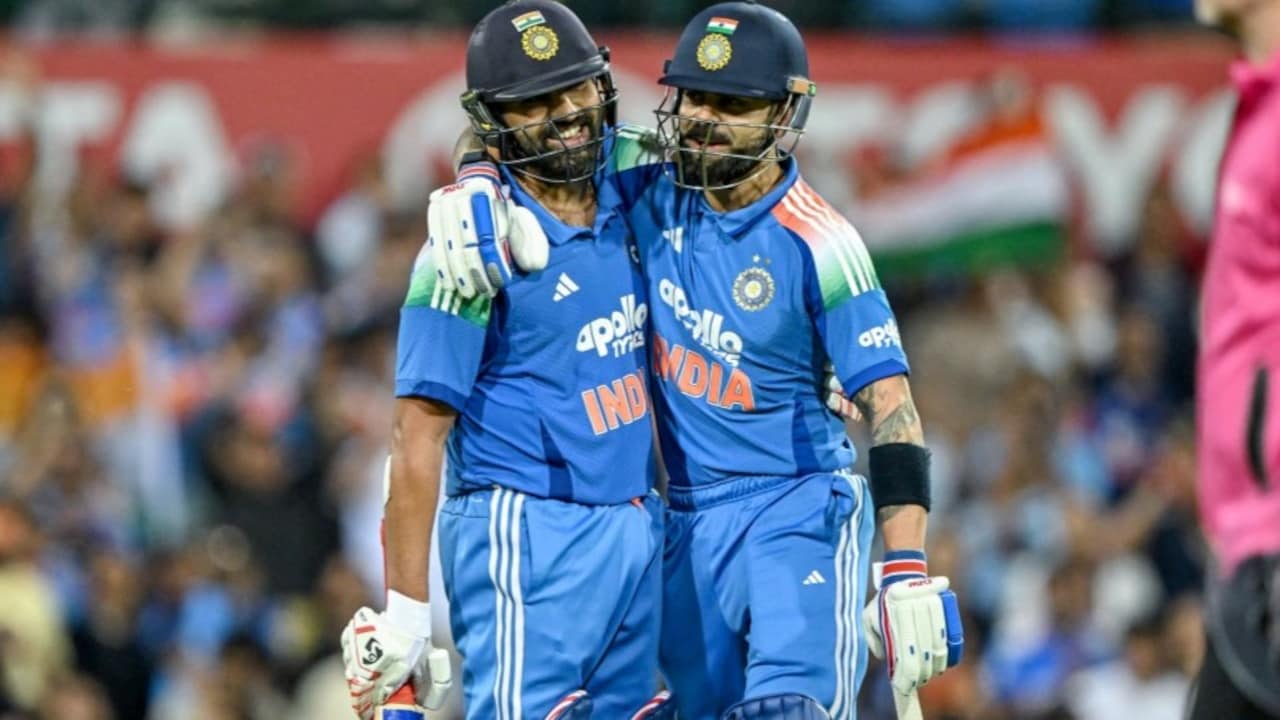
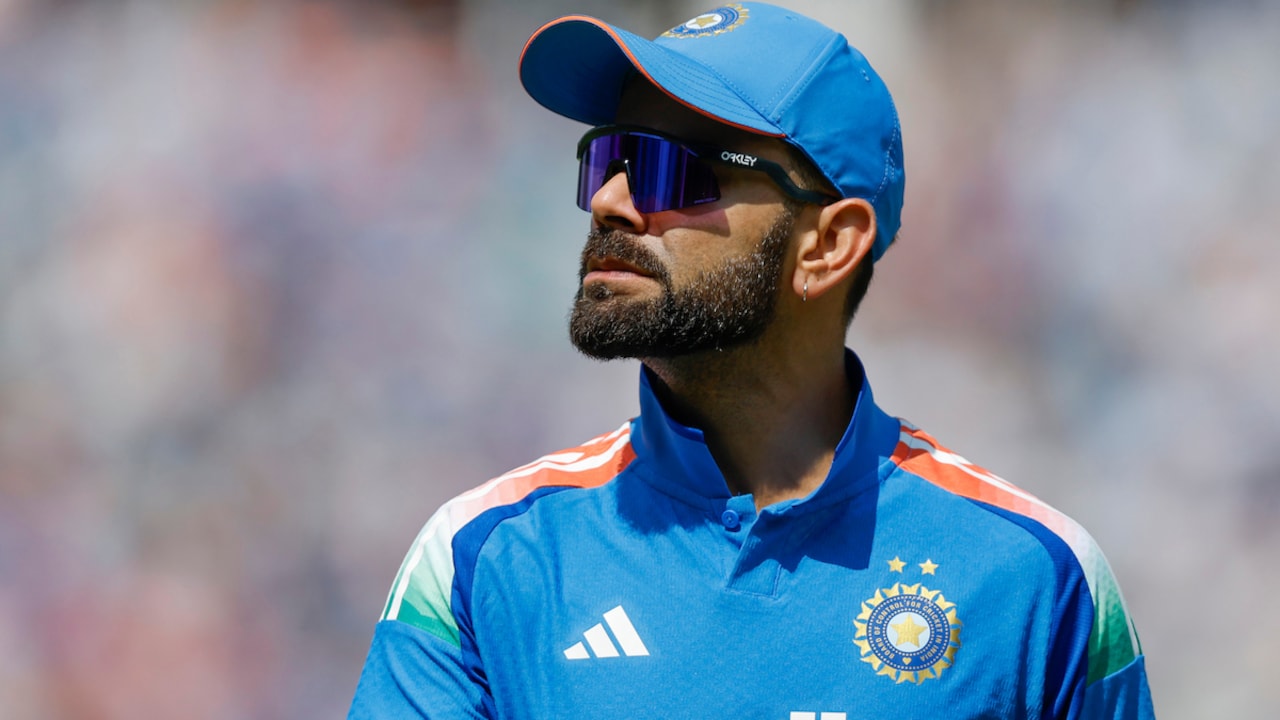
Shubman Gill, the 26‑year‑old captain, showcased his class with an 80‑run innings before retiring hurt due to cramps. Jasprit Bumrah, returning to ODIs after a three‑year hiatus, delivered nine miserly overs for just 31 runs, unsettling England’s top order. In contrast, the Rohit‑Virat duo faltered – Rohit managed 11 runs off 21 balls, and Kohli was dismissed LBW for five after a mistimed shot against Jofra Archer.
What Lies Ahead in the Second ODI
India aims to extend the momentum, relying on Gill’s fitness and Bumrah’s swing to keep England’s batting in check. England, meanwhile, seeks to break a 20‑loss streak in ODIs since the 2023 World Cup, a statistic that underscores the urgency for a turnaround. The English top order, which collapsed from 61/0 to 107/6, must find stability, especially as senior players Harry Brook, Jos Buttler and Sam Curran shoulder the scoring burden.
England’s Tactical Concerns
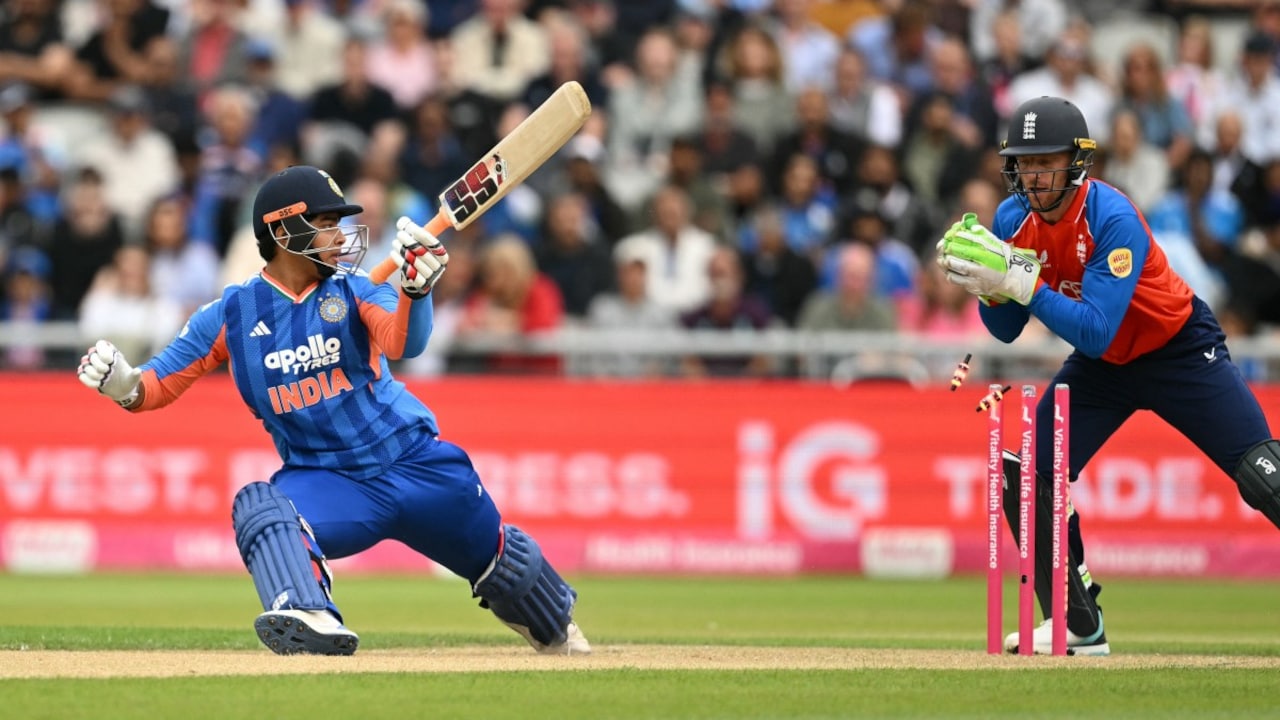
Coach and analysts have flagged the lack of game awareness in the lower order, where the last three wickets fell for a mere eight runs. With Joe Root anchoring one end, the onus fell on Archer, Adil Rashid and Josh Tongue to rotate the strike, but Archer’s aggressive attempt against Axar Patel back‑fired, and Rashid’s over‑stepping cost crucial runs. Brook later emphasised that the top‑order must assume greater responsibility, rather than relying on bowlers to compensate.
Implications for Future Tours
If India can sustain its current form, the series could serve as a springboard toward the 2027 World Cup, reinforcing the confidence built in the opening win. England, however, must address both batting aggression and disciplined bowling to halt the downward spiral in its ODI rankings. Both sides view this match not merely as a game but as a litmus test for upcoming international commitments.