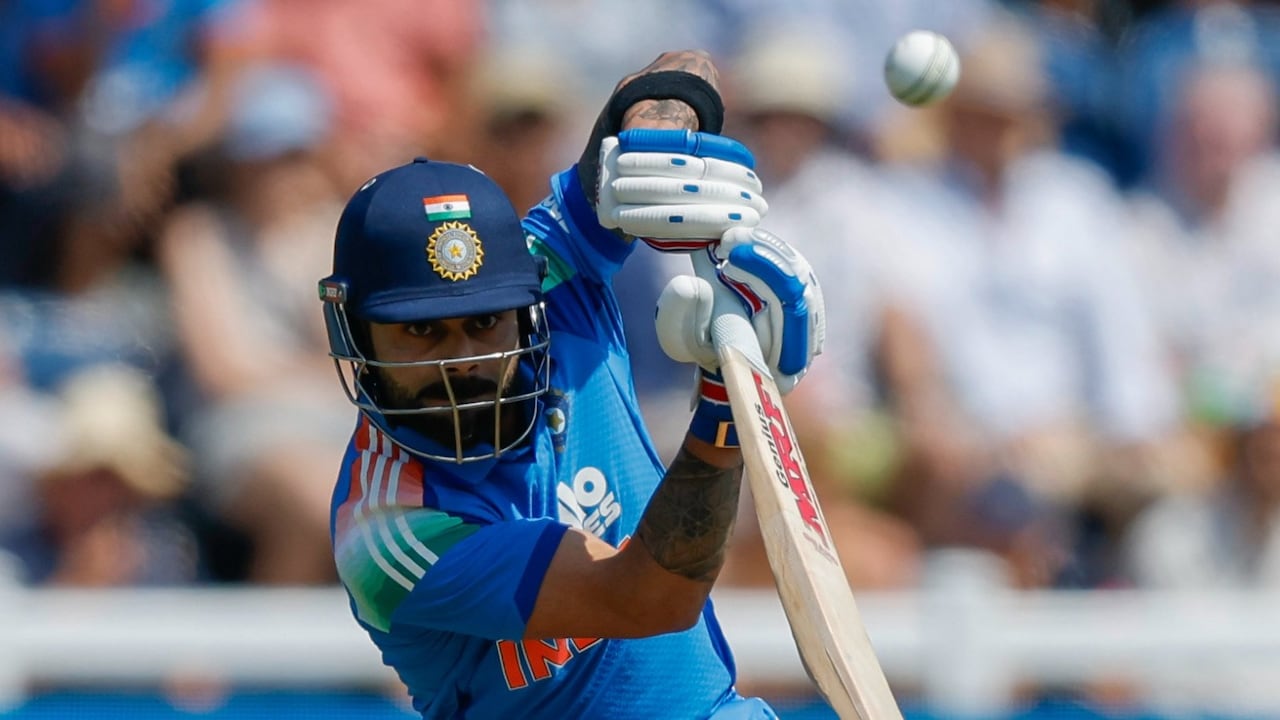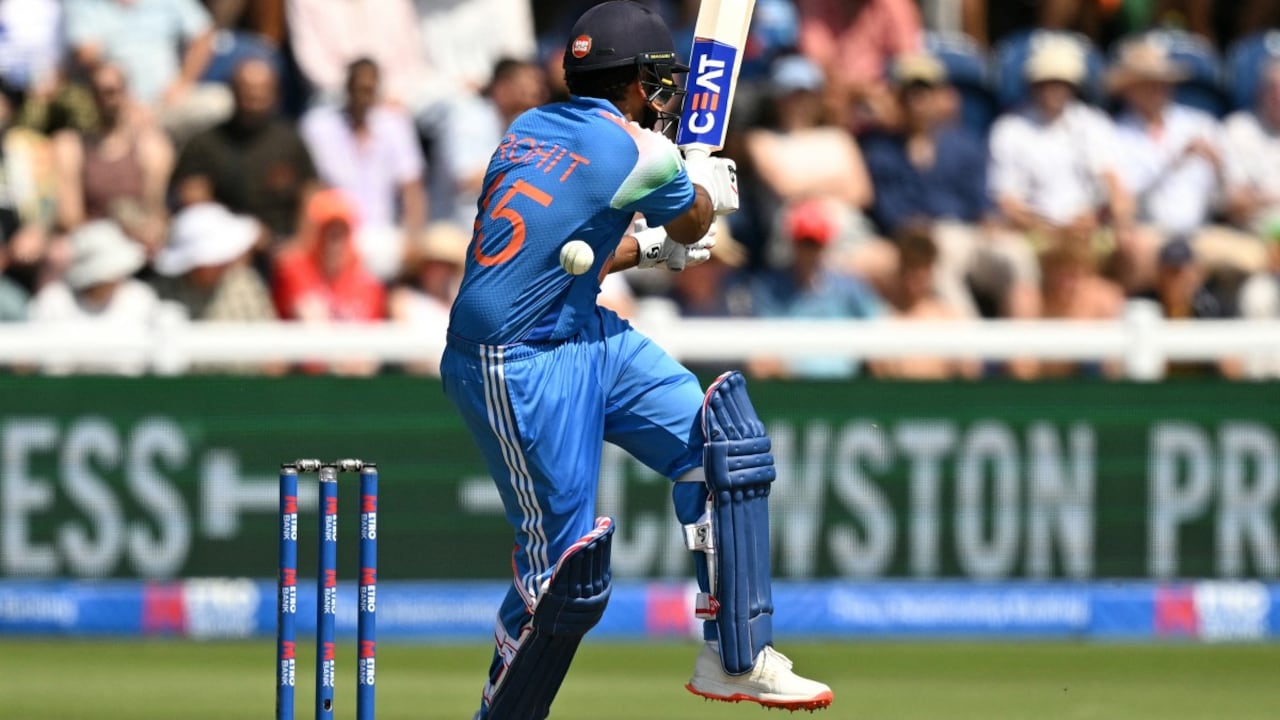
Former England all‑rounder Ravi Bopara has raised concerns over India's struggle against short ball deliveries on English pitches. After being bowled out for 233 in the second ODI at Cardiff, he highlighted a visible anxiety among Indian batters.
मुख्य बिंदु (Key Takeaways)
- Ravi Bopara says Indian batsmen appear uneasy against short balls.
- India collapsed for 233 runs in the 2nd ODI at Cardiff.
- Short‑ball vulnerability could shape India's upcoming series strategies.
Ravi Bopara, who represented England in 31 Tests and 140 ODIs between 2007 and 2014, has now turned his attention to analysis. He asserts that the Indian top order is showing signs of apprehension when faced with short‑pitched deliveries on England’s typically bouncy, fast tracks. This comment came on the heels of the second ODI at Sophia Gardens, where India managed 233/10 before being dismissed.
Short Ball: A Historic Challenge for Visiting Teams
Short‑ball, often referred to as a “bouncer,” has traditionally been England’s most potent weapon. While legends like Imran Khan and more recently Virat Kohli have managed the threat effectively, recent innings suggest a technical fragility in the Indian line‑up. Handling steep bounce and rapid pace demands a refined footwork and split‑second decision‑making – skills that require dedicated practice, especially on overseas surfaces.
Cardiff Collapse: A Symptom or a Sign?
India’s 233‑run total fell short of England’s 265/5, exposing the precarious nature of their middle order when short deliveries were employed. Bopara points out that the inability to negotiate short ball not only curtails scoring opportunities but also erodes confidence, especially when England combines pace and swing with occasional short‑ball tactics. If unaddressed, this weakness could become a recurring theme across forthcoming Tests and T20 series.
Strategic Recommendations for the Future
Cricketing pundits recommend that India’s coaching staff intensify short‑ball drills, introduce simulated bouncer sessions in domestic tournaments, and schedule more matches on fast, bouncy tracks abroad. Developing a proactive approach—seeing short ball as a strategic obstacle rather than a mere extra—will be crucial for the team’s adaptability.
In essence, Bopara’s observation is more than a former player’s opinion; it is a strategic warning. The Indian side must recalibrate its technique and mindset, or risk seeing its global competitiveness wane against teams that exploit the short‑ball advantage.