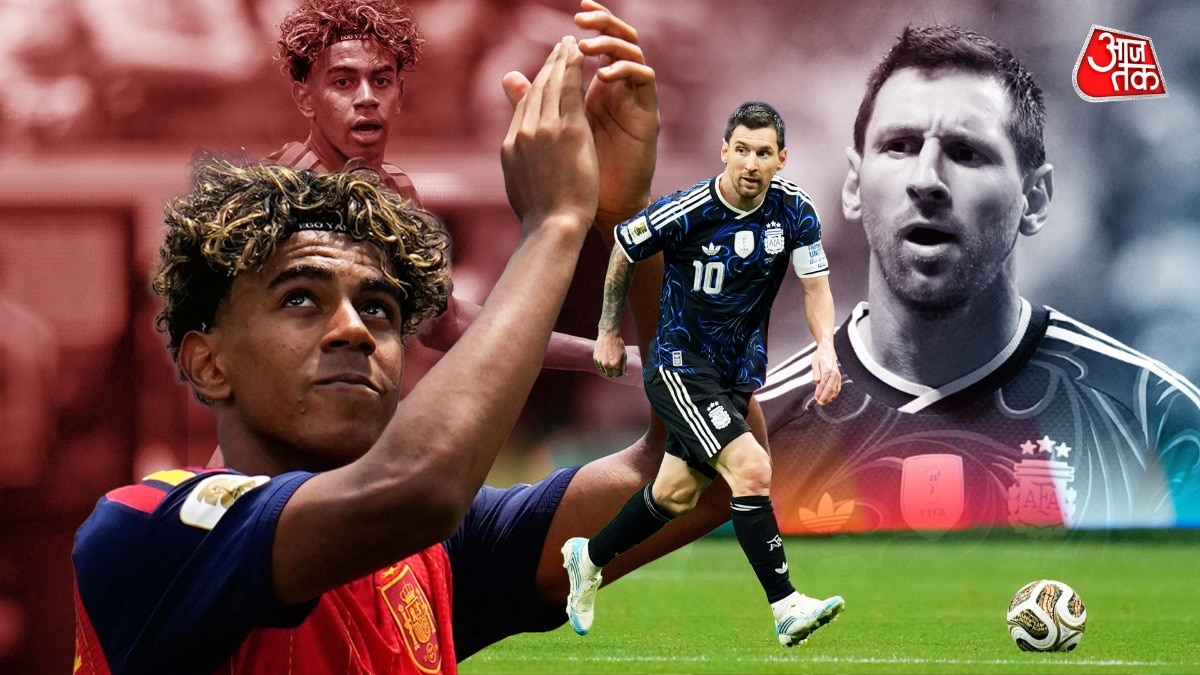
Argentina's 2-1 win over England in the World Cup semifinal was followed by players brandishing a 'Las Malvinas son Argentinas' banner. The British government has urged FIFA to investigate the political display.
मुख्य बिंदु (Key Takeaways)
- UK demands FIFA launch a disciplinary investigation into Argentina's banner.
- Players displayed a message asserting Argentine sovereignty over the Falkland Islands.
- FIFA may impose fines or bans if the breach of its political‑neutrality rules is confirmed.
On July 15, 2026, Argentina edged England 2‑1 in a World Cup semi‑final in Atlanta, securing a place in the final. In the immediate aftermath, Argentine players lifted a fan‑handed banner that read "Las Malvinas son Argentinas" – "The Malvinas are Argentine." The image instantly sparked diplomatic and sporting controversy.
British Government's Reaction
On July 16, Business Secretary Peter Kyle condemned the act as “entirely inappropriate” and called on FIFA to conduct a thorough investigation. Kyle emphasized that politics must remain separate from sport, and any message deemed political, ideological, religious or offensive is prohibited under FIFA’s code of conduct.
FIFA’s Disciplinary Framework
FIFA’s statutes forbid any non‑sport‑appropriate messaging inside stadiums. Violations can attract fines ranging from $5,000 to $20,000, and in severe cases, players or federations can face suspensions. A precedent was set in 2014 when a South Korean player was banned for two World Cup qualifiers after displaying a banner asserting “Dokdo is our territory” during the London Olympics.
Historical Context of the Falklands (Malvinas) Dispute
The islands, known as the Falklands to Britain and Islas Malvinas to Argentina, were the flashpoint of a ten‑week war in 1982 after Argentina’s military junta attempted to reclaim them. The conflict resulted in 649 Argentine, 255 British, and three islander casualties. The sovereignty issue remains a potent symbol of national identity for both nations, making the banner a highly charged political statement.
Implications for the Tournament and Political Neutrality
If FIFA imposes a sanction, it will reinforce the governing body’s commitment to political neutrality and deter future teams from using the World Cup stage for territorial claims. Conversely, a lenient response could signal a shift toward tolerating political expressions in sport, undermining the long‑standing principle that football should rise above geopolitics. The outcome will likely influence how future tournaments manage the delicate balance between national pride and the sport’s apolitical ethos.