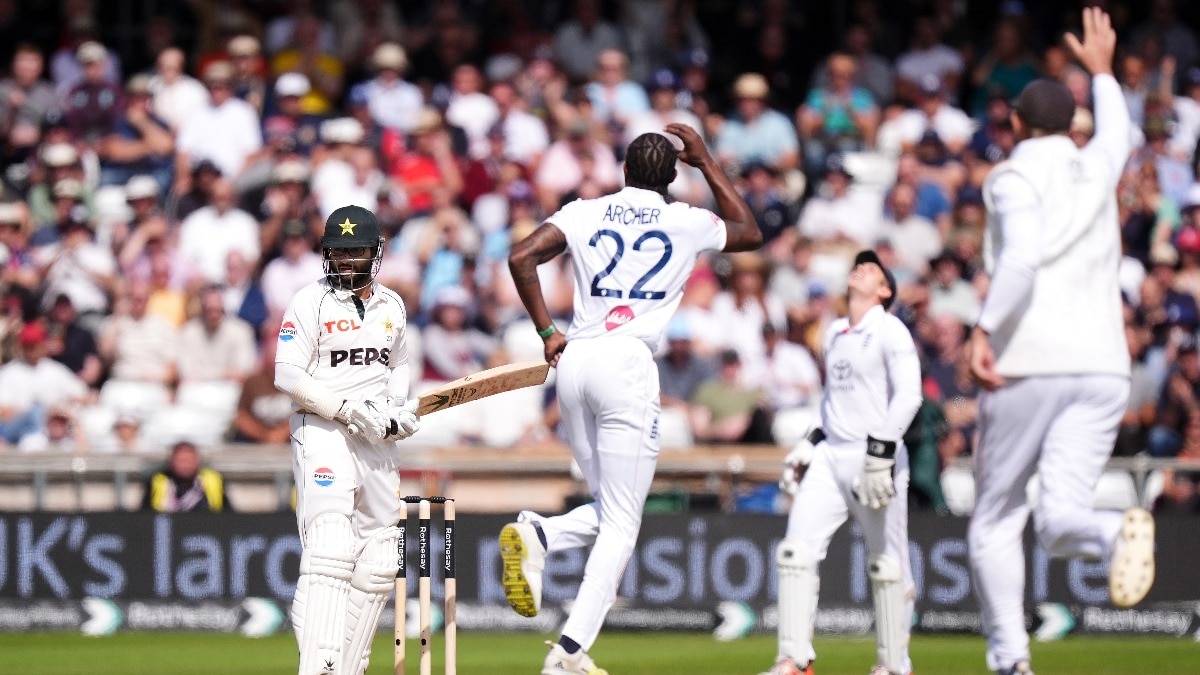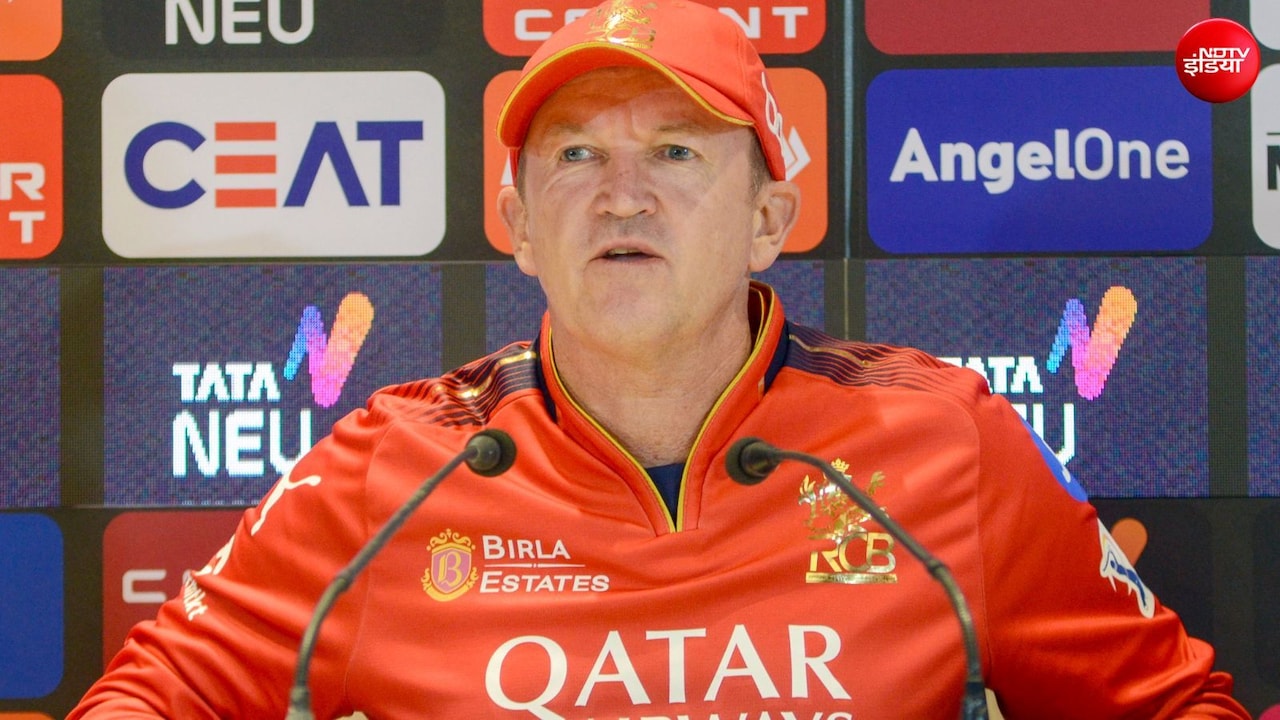
Former Zimbabwe captain Andy Flower has officially withdrawn from the race to become England’s next Test head coach. Flower confirmed his commitment to IPL franchise Royal Challengers Bengaluru (RCB), ruling out a return to the England setup.
Key Takeaways
- Andy Flower has declined interest in the England Test head coach position.
- The veteran coach has decided to honor his commitment with IPL franchise Royal Challengers Bengaluru (RCB).
- The England vacancy arose following Brendon McCullum's transition to a unified coaching role.
Former Zimbabwe captain and legendary coach Andy Flower has officially ruled himself out of contention for the England Men's Test head coach role. Despite rumors linking him to the high-profile vacancy created after Brendon McCullum's transition, Flower has chosen to focus entirely on his commitments in franchise cricket, particularly with the Indian Premier League (IPL) powerhouse Royal Challengers Bengaluru (RCB).
Flower, who took over as RCB's head coach ahead of the 2024 season, emphasized his dedication to the IPL franchise's pursuit of an elusive maiden title. Under his guidance, RCB staged a dramatic comeback in IPL 2024 to reach the playoffs, showcasing his tactical brilliance. Returning to the grueling schedule of international cricket with England would have required him to step down from franchise roles, a compromise he was unwilling to make at this stage of his career.
Historical Background: Andy Flower's Golden Era with England
Andy Flower is no stranger to the England cricket setup. He served as England's team director and head coach from 2009 to 2014, a period widely regarded as one of the most successful eras in English cricket history. Under Flower's stewardship, England achieved the historic milestone of becoming the Number 1 ranked Test team in the world. He led the team to three consecutive Ashes victories, including a memorable 3-1 series win in Australia in 2010-11, and secured England's first-ever ICC silverware by winning the 2010 ICC World Twenty20.
| Aspect | England Test Coach Role | RCB Head Coach Role |
|---|---|---|
| Time Commitment | Year-round international travel and intense media scrutiny. | Seasonal (approx. 2-3 months of intense IPL focus). |
| Primary Objective | Rebuild and sustain England's dominance in red-ball cricket. | Deliver a historic maiden IPL trophy for RCB. |
| Flexibility | Low; restricts participation in other global leagues. | High; allows coaching in multiple franchise leagues (ILT20, CPL). |
Why This Matters
Andy Flower's decision to prioritize franchise cricket over a prestigious international role reflects a broader, systemic shift in the global cricketing landscape. Increasingly, elite coaches and players are opting for the lucrative, short-duration commitments of domestic T20 leagues over the grueling, year-round demands of international bilateral series. This choice highlights how franchise leagues like the IPL have become the financial and professional epicenter of modern cricket.
BozokMedia analysis shows that the ECB (England and Wales Cricket Board) now faces a major challenge in attracting top-tier coaching talent who are unwilling to sacrifice their lucrative franchise portfolios. Flower's loyalty to RCB also reassures the franchise's massive fanbase of structural stability, which is crucial as they prepare for the upcoming IPL mega auction and the next cycle of the tournament.
"Flower's preference for RCB over the England Test job underscores the irresistible pull of franchise cricket, where coaches can exert maximum impact in shorter, highly intense windows." - Cricket Analyst.
Frequently Asked Questions
Q1: Why did Andy Flower reject the England Test coaching offer?
A1: Flower chose to honor his commitments to franchise cricket, particularly his head coach role with Royal Challengers Bengaluru (RCB) in the IPL, which allows him a better work-life balance compared to international coaching.
Q2: Who was the previous England Test head coach?
A2: Brendon McCullum was the previous Test coach, who has now transitioned into a unified role overseeing both the red-ball and white-ball England teams.