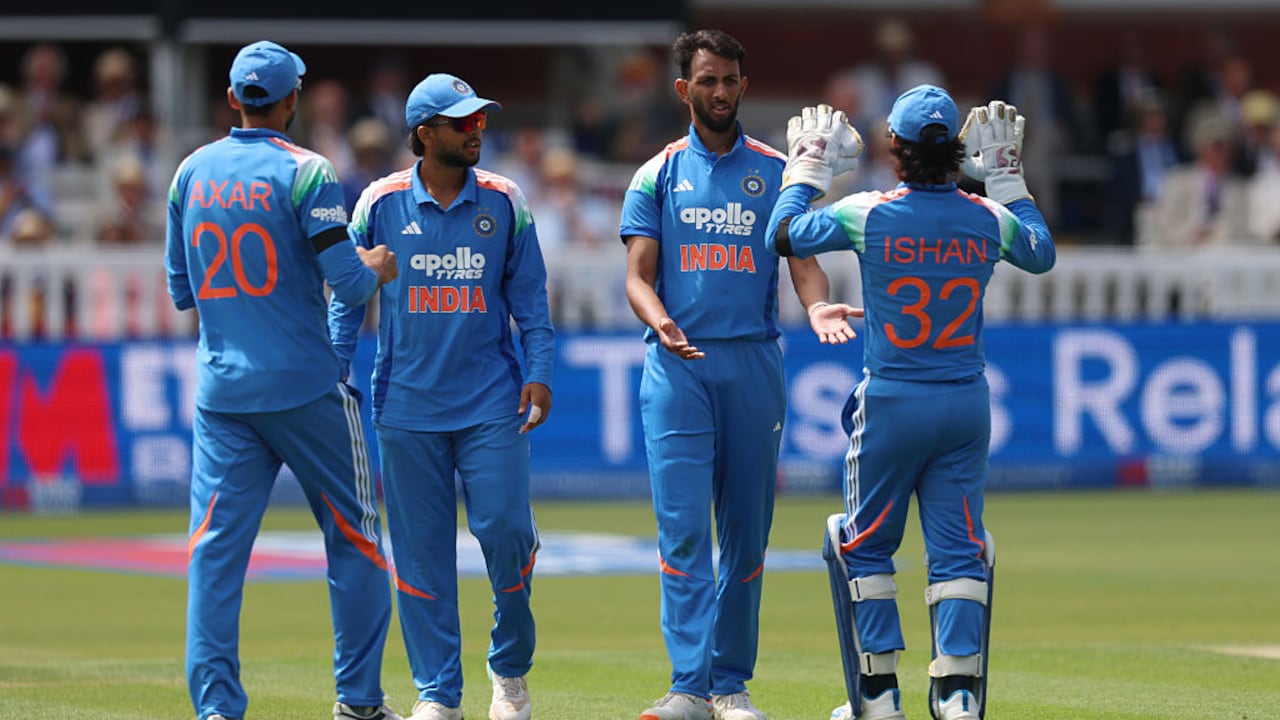
Veteran Indian spinner Ravichandran Ashwin has openly criticized the team management's decision to bench wrist-spinner Kuldeep Yadav for the crucial third ODI against England. Ashwin's remarks have reignited the debate surrounding India's tactical selections in limited-overs cricket.
Key Takeaways
- Ravichandran Ashwin questioned the exclusion of Kuldeep Yadav from the 3rd ODI against England.
- Ashwin expressed sympathy for the wrist-spinner, stating "one can only feel bad" for his omission.
- The decision has sparked a wider tactical debate regarding India's spin department strategy.
During the high-stakes third One Day International (ODI) between India and England, veteran off-spinner Ravichandran Ashwin voiced his strong disagreement with the team management's selection choices. Ashwin took to public platforms to question why premier wrist-spinner Kuldeep Yadav was left out of the playing XI, sparking an intense debate among cricket pundits and fans alike.
Expressing his disappointment, Ashwin remarked that "one can only feel bad" for Kuldeep, who has consistently performed well when given opportunities. The omission of a genuine wicket-taking wrist-spinner on a pitch that historically assists spin raised eyebrows, especially given England's known vulnerability against high-quality wrist spin.
| Feature / Metric | Kuldeep Yadav (Wrist Spin) | Finger Spinners (Jadeja/Axar) |
|---|---|---|
| Primary Role | Attacking Wicket-taker | Defensive / All-rounder |
| Pitch Dependency | Less dependent, extracts turn from the air | More dependent on surface grip and speed |
| Batting Depth | Lower-order tail-ender | Solid lower-middle order batsmen |
Why This Matters
The exclusion of Kuldeep Yadav highlights a deeper, systemic issue within Indian cricket's selection philosophy: the constant struggle between choosing aggressive wicket-takers versus prioritizing batting depth. By opting for finger-spinning all-rounders over a specialist wrist-spinner, the team management often compromises on its middle-overs wicket-taking capability, a phase where Kuldeep has historically excelled.
BozokMedia analysis shows that India's defensive approach in team selection often backfires in high-scoring ODI matches, where taking wickets in the middle overs is crucial to stopping the opposition's momentum. Relying heavily on batting depth at the expense of primary bowling specialists could impact India's performance in major ICC tournaments where balancing the squad is paramount.
"Leaving out a genuine match-winner like Kuldeep Yadav on a spin-friendly deck is a defensive move that compromises India's middle-overs threat."
Historical Background
Kuldeep Yadav's journey in the national squad has been a rollercoaster of spectacular spells and sudden exclusions. Known as one of the few elite left-arm wrist-spinners in world cricket, Kuldeep made a thunderous impact alongside Yuzvendra Chahal (collectively dubbed 'Kul-Cha') between 2017 and 2019. However, tactical shifts towards batting-heavy lineups have frequently seen him relegated to the bench, despite maintaining a highly impressive strike rate in ODI cricket.
Frequently Asked Questions
Q1: Why was Kuldeep Yadav excluded from the 3rd ODI against England?
A1: The team management opted for a lineup that prioritized batting depth and defensive bowling options, leading to the inclusion of finger-spinning all-rounders over the specialist wrist-spinner.
Q2: What was R Ashwin's reaction to this decision?
A2: Ravichandran Ashwin expressed sympathy for Kuldeep, stating that "one can only feel bad" for him, questioning the tactical rationale behind leaving out a premier wicket-taker.