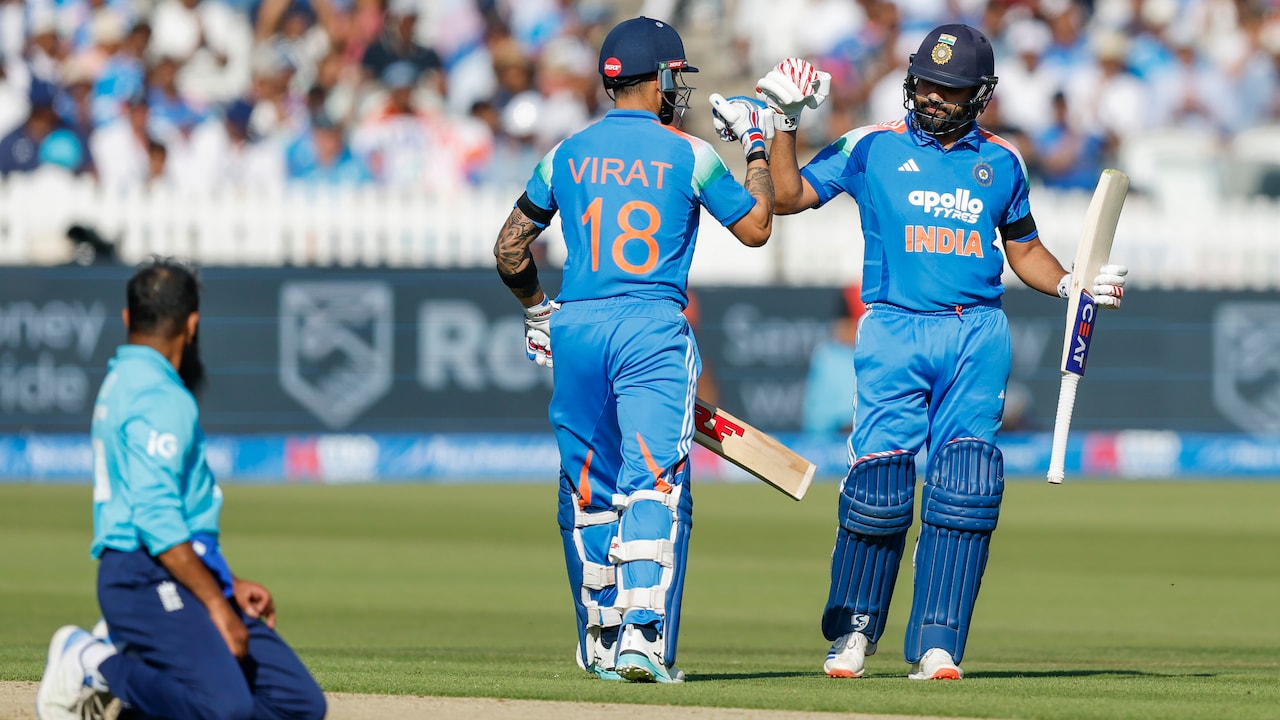
Following India's ODI series defeat against England, BCCI Vice President Rajeev Shukla has downplayed concerns over team chemistry. Shukla lauded veterans Rohit Sharma and Virat Kohli, asserting that the team combination remains robust.
Key Takeaways
- BCCI VP Rajeev Shukla backs India's team combination despite the series loss to England.
- Shukla highly praised the veteran duo of Rohit Sharma and Virat Kohli for their resilient performances.
- The board dismisses panic buttons, emphasizing long-term stability ahead of upcoming ICC tournaments.
In the wake of India's recent One Day International (ODI) series loss to England, Board of Control for Cricket in India (BCCI) Vice President Rajeev Shukla has stepped forward to calm rising anxieties. Despite the series defeat, Shukla emphasized that there is no need for panic, declaring the team's internal combination as "good" and stating that "everything is fine." His reassuring comments come at a crucial juncture when critics have begun questioning India's transition strategy in white-ball cricket.
Shukla specifically singled out India's legendary batting anchors, skipper Rohit Sharma and talismanic batsman Virat Kohli, for their commendable efforts during the third ODI. Despite the team's overall struggle to clinch the series, the veteran duo showed glimpses of their masterclass, which Shukla believes is a testament to their enduring value. "The team combination is highly balanced, and the presence of senior players like Rohit and Virat ensures stability," Shukla remarked to reporters.
"In transition phases, the reassurance of senior board members acts as a shield for the players, allowing them to focus on tactical adjustments rather than external noise."
Why This Matters
BozokMedia analysis shows that the BCCI's public backing of the current team structure is a strategic move to maintain dressing-room harmony. With major ICC tournaments on the horizon, including the Champions Trophy, any public sign of discord or panic from the administration could severely dent player morale. By validating the roles of Rohit Sharma and Virat Kohli, the board is sending a clear signal that the transition of leadership and talent integration will be gradual rather than reactionary.
Furthermore, this endorsement highlights the ongoing debate regarding the dependency of the Indian batting lineup on its senior stalwarts. While younger talents are being groomed, the reliance on Kohli and Sharma during high-pressure run chases remains absolute. Shukla’s statements suggest that the board values experience over hasty experimental overhauls, aiming for a steady evolution rather than a disruptive revolution in the squad structure.
| Aspect | Traditional ODI Approach (Pre-2023) | Current Transition Phase (Post-2023) |
|---|---|---|
| Top-Order Dependency | Heavy reliance on Rohit, Shikhar, and Virat to play long innings. | Aggressive starts with a focus on high strike rates, even at the cost of wickets. |
| Middle-Order Role | Anchoring and building partnerships in the middle overs. | Dynamic power-hitting and maintaining momentum through versatile all-rounders. |
| Selection Strategy | Consistent backing of established veterans with minimal rotation. | Active rotation policy to manage workloads and test bench strength. |
Historical Background
Historically, Indian cricket has often faced turbulent transition periods, most notably after the 2007 World Cup debacle and the post-2011 era when legends retired. The current phase, under the coaching staff and selection committee's watch, seeks to avoid the pitfalls of the past by maintaining a core group of seasoned veterans alongside emerging prospects. The partnership of Rohit Sharma and Virat Kohli has been the cornerstone of India's ODI dominance for over a decade, accumulating thousands of runs and establishing a psychological edge over opponents globally.
Frequently Asked Questions
Q1: Why did Rajeev Shukla defend the team after the series loss?
A1: Shukla defended the team to curb media speculation and public panic, reinforcing that the team combination is stable and the veterans are performing well.
Q2: What is the next major challenge for the Indian ODI team?
A2: The immediate focus is preparing a balanced squad for the upcoming ICC Champions Trophy, balancing veteran experience with youthful exuberance.