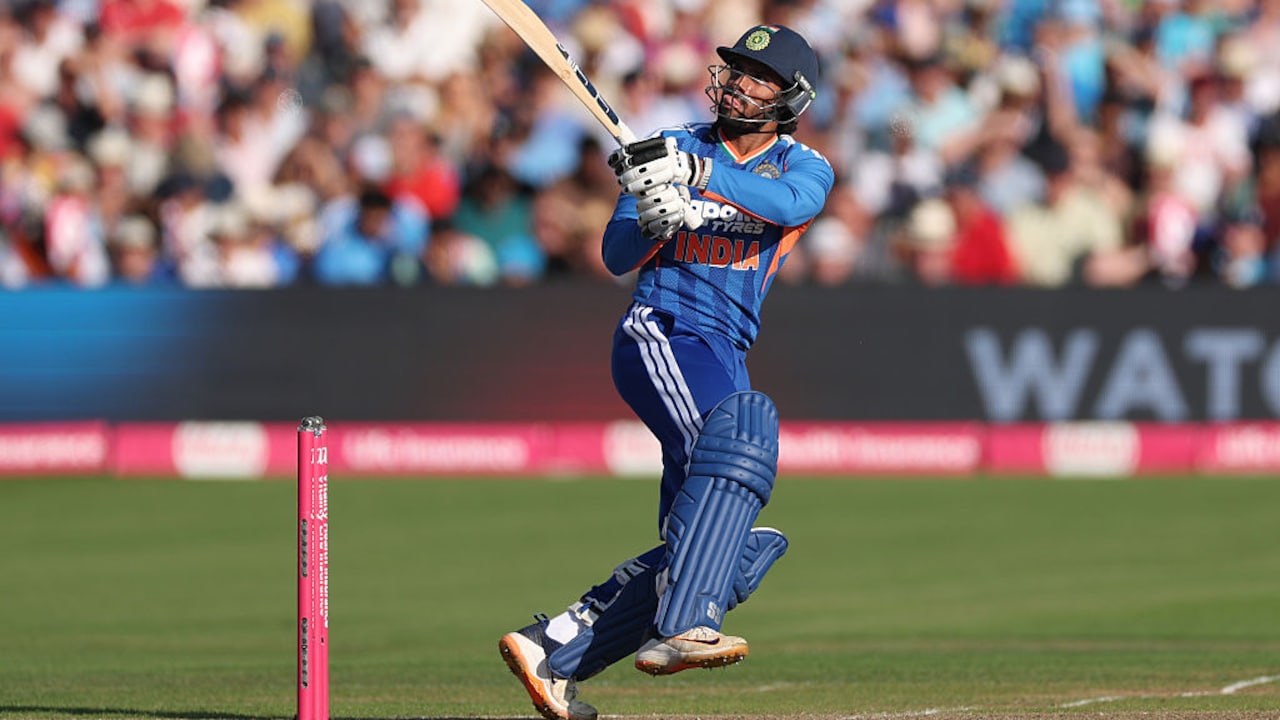
India's T20 vice‑captain Tilak Varma says early wickets in the UK‑Ireland series don’t give middle‑order batsmen a free pass to go full throttle. He calls the constant strike‑rate chatter ‘doesn’t make sense’ and underlines the need for measured innings.
Key Takeaways
- Tilak Varma calls strike‑rate hype irrelevant
- Early wickets require a balanced, not reckless, approach
- His stance highlights team strategy over individual aggression
India’s T20 vice‑captain Tilak Varma recently addressed the media after a shaky start in the UK‑Ireland series. With two quick wickets falling, many pundits urged him to fire away, but Varma stressed that “it doesn’t make a lot of sense” to chase a high strike rate at the expense of stability.
Despite the pressure to accelerate, Varma emphasized that the middle order must adapt to match conditions, not chase numbers. He reiterated that a measured innings often wins games more reliably than a reckless sprint for runs.
Historical Background
Since the inception of the Twenty‑20 format in 2003, strike rate has been the headline metric for batting performance. The 2016 England‑India series sparked a heated debate when England’s aggressive batting philosophy was juxtaposed against India’s more measured approach. Critics argued that a high strike rate equates to dominance, while traditionalists warned that it can lead to premature dismissals and inconsistent team totals.
Why This Matters (इसके मायने क्या हैं)
Obsessing over strike rate can distort a player’s natural game plan, leading to unnecessary risks. BozokMedia analysis shows that batsmen who prioritize run‑rate over situational awareness often see a dip in average and a rise in low‑score dismissals, which ultimately harms team prospects in high‑pressure tournaments.
From a commercial perspective, broadcasters and sponsors frequently spotlight fast‑scoring players, potentially skewing talent development pipelines. By championing a balanced approach, Varma’s perspective could encourage a more holistic evaluation of player contributions, benefitting both the sport’s integrity and its marketability.
"Strike rate is a useful metric, but it shouldn't eclipse the fundamentals of innings building," says veteran cricket analyst Ravi Singh.
Comparative View
| Perspective | Core Argument |
|---|---|
| Media & Critics | High strike rate equals winning batting; push for aggressive play. |
| Tilak Varma | Focus on situational adaptability, team balance, and sustainable scoring. |
Frequently Asked Questions (अक्सर पूछे जाने वाले प्रश्न)
Q1: Does a higher strike rate always mean a better performance?
A: Not necessarily. While it indicates scoring speed, context—pitch conditions, opposition bowling, and match situation—plays a crucial role.
Q2: How will Varma’s statement affect India’s upcoming matches?
A: It signals a shift toward a more adaptable batting strategy, giving the coaching staff flexibility to tailor game plans without being bound by strike‑rate expectations.