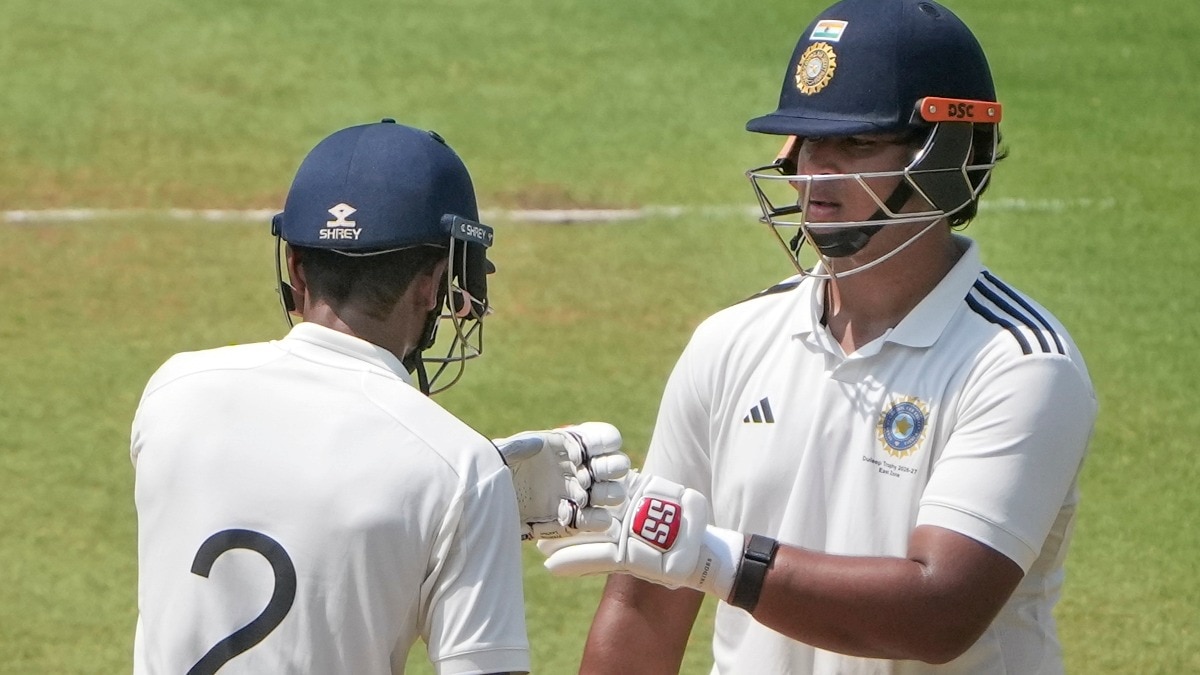
The squad convened for an intensive morning training before the friendly against Heidenheim. Emphasis was placed on fitness, tactical drills, and team cohesion to sharpen performance.
Key Takeaways
- Friendly match scheduled against Heidenheim
- Morning session focused on tactical and fitness drills
- Potential impact on the team's upcoming performance
Players assembled at 7 a.m. for a warm‑up followed by high‑intensity cardio and speed work. The coaching staff prioritized aerobic endurance and sprint drills to boost stamina, while position‑specific tactical drills examined passing accuracy under pressure. This dual‑focus aimed to enhance both physical and strategic readiness.
Mental preparation formed an integral part of the routine. The team captain urged players to maintain a competitive yet friendly atmosphere, fostering a healthy rivalry that encourages calm decision‑making in high‑pressure scenarios. Such mindset training is crucial for executing game plans effectively.
Historical Background
Heidenheim, a well‑established club in Germany’s 2. Bundesliga, has a long history of engaging in friendly fixtures with clubs across Europe. These matches serve as testing grounds for new tactics and provide players with exposure to different playing styles. Over the past five years, Indian clubs have regularly arranged friendlies with European sides, gaining valuable international experience and credibility.
Historically, such encounters have led to noticeable performance improvements. For instance, a 2018 friendly victory over a German opponent helped an Indian club elevate its standing and attract greater fan interest.
Why This Matters
BozokMedia analysis shows that friendly matches boost local fan engagement and reinforce the commercial viability of football. When Indian clubs face European opponents, they not only sharpen technical skills but also inspire younger generations to pursue the sport.
Economically, these fixtures generate additional revenue through sponsorships, ticket sales, and ancillary business activity, strengthening the club’s financial health and opening avenues for long‑term investment.
"A friendly is more than a warm‑up; it defines a team’s strategic direction," noted a football analyst.
Frequently Asked Questions
Q1: What tactical approach will the team adopt in the friendly?
A: The side will emphasize high‑press positioning combined with quick counter‑attacks to exploit Heidenheim’s defensive lines.
Q2: How could the friendly’s outcome influence league performance?
A: A positive result is likely to boost confidence, helping the team maintain consistency in upcoming league matches.