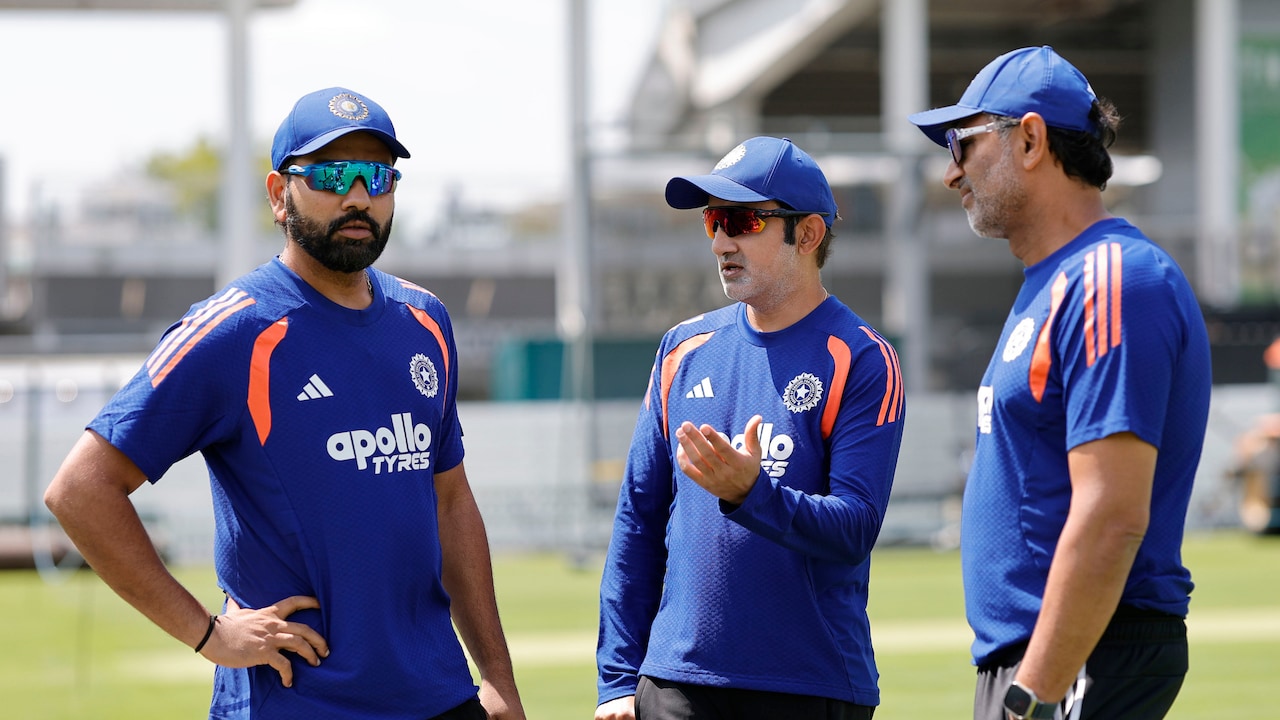
A recent report highlights growing friction within the Indian cricket team, as senior players reportedly struggle to adapt to the new coaching regime. Rising injury concerns and an alleged communication gap have left several veteran players disgruntled.
Key Takeaways
- Senior Indian cricketers are reportedly finding it difficult to adapt to the newly implemented coaching regime.
- An increasing number of fitness and injury issues have plagued the squad during this transition phase.
- A significant communication gap between the coaching staff and veterans has fueled internal discontent.
The Indian cricket team is currently weathering a turbulent phase, not just on the field, but within the dressing room. A sensational new report has emerged revealing deep-seated friction between the senior players and the team's new coaching setup. Amidst a flurry of physical breakdowns and mounting injuries, several veteran players have reportedly expressed their dissatisfaction with the rigid "new system" implemented by the current management.
The core of the issue lies in the sudden shift in training methodologies and tactical expectations. Senior players, who have been accustomed to a certain level of autonomy and workload management over the last few years, are finding the new, high-intensity training regimens physically taxing. This sudden change has allegedly contributed to a spike in soft-tissue injuries, leaving the squad vulnerable ahead of crucial bilateral series. Captain Rohit Sharma was recently spotted having an intense discussion with the coaching staff, presumably addressing these growing concerns.
| Aspect | Previous Regime (Dravid/Shastri) | Current Regime (Gambhir) |
|---|---|---|
| Workload Management | Flexible, player-centric rest periods | Rigorous, high-intensity fitness mandates |
| Communication Style | Open-door policy, highly collaborative | Direct, structured, and system-driven |
| Tactical Approach | Conservative and role-specific | Aggressive, adaptable, and high-risk |
Why This Matters (इसके मायने क्या हैं)
BozokMedia analysis shows that a fractured dressing room is the single biggest threat to Team India’s transition phase. As legendary stalwarts approach the twilight of their careers, an abrupt overhaul of team culture without gradual onboarding can lead to catastrophic on-field performances. The lack of clear communication not only alienates senior leaders but also creates a climate of insecurity among younger players who look up to them.
Furthermore, from an administrative standpoint, the Board of Control for Cricket in India (BCCI) cannot afford a public fallout between high-profile players and the coaching staff. With major ICC tournaments on the horizon, resolving this communication gap is paramount to maintaining team stability and securing commercial sponsorships that rely heavily on the team's unified brand image.
"A successful team transition requires empathy, not just authority; forcing seasoned veterans into a rigid mold without dialogue is a recipe for dressing room unrest."
Historical Background
This is not the first time Indian cricket has faced a standoff between senior players and a new coaching philosophy. The most infamous precedent remains the Greg Chappell era (2005–2007), where the Australian coach's attempts to dismantle the existing hierarchy led to a massive rebellion led by Sourav Ganguly and other senior players, ultimately culminating in India's disastrous 2007 World Cup campaign. Similarly, the transition from Anil Kumble to Ravi Shastri in 2017 highlighted how player-coach compatibility often outweighs tactical brilliance. History suggests that whenever a coach attempts a top-down structural change without earning the trust of the senior core, the team's performance invariably suffers.
Frequently Asked Questions (Frequently Asked Questions)
Q1: Why are senior players struggling under the new coaching system?
A1: Senior players are finding it difficult to cope with the sudden increase in training intensity and the rigid tactical demands of the new coaching staff, which has led to a rise in injuries and a lack of personalized workload management.
Q2: What role is Captain Rohit Sharma playing in resolving this issue?
A2: Rohit Sharma is actively acting as a bridge between the disgruntled senior players and the coaching staff, holding direct discussions with the coaches to address the communication gap and ease team tensions.