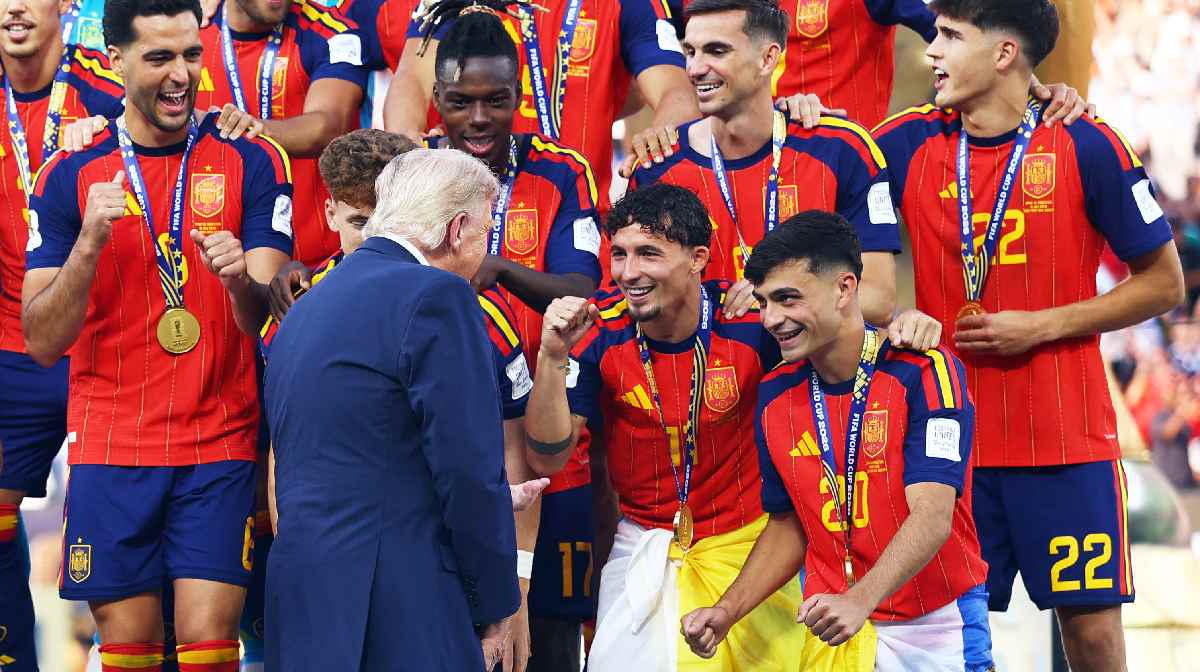
The United States has announced a 30% federal tax on the $50 million prize awarded to World Cup winners. While Spain benefits from a double‑tax treaty, many other nations face a steep tax burden that will cut players’ net earnings significantly.
Key Takeaways
- The US levies a 30% federal tax on World Cup prize money.
- Spain and other treaty‑bound countries will pay a reduced rate.
- Thirty other nations must bear the full 30% tax, shrinking athletes' net payouts.
The United States has decided to apply a 30 percent federal tax on the $50 million prize money awarded to the winners of the 2026 FIFA World Cup. Because the US co‑hosted the tournament, every player, coach, referee and support staff who earned income on US soil is subject to Internal Revenue Service regulations. Nations with existing double‑taxation treaties—such as Spain, England, France, Germany and Italy—will see a lower effective tax, while countries without such agreements will face the full rate.
Historical Background: The first World Cup prize money in 1994 was $12 million, distributed solely by FIFA. The 2026 edition marks the inaugural co‑hosting by the US and Canada, triggering US tax law applicability for all participants. Previous tournaments occasionally raised tax questions, but this is the most extensive fiscal impact to date.
Only 18 of the 48 qualified teams have double‑tax treaties with the US, allowing them to avoid double taxation and reduce their tax burden. The remaining 30 nations—including Brazil, Argentina, Japan, South Korea, Senegal and Nigeria—must remit the full 30 percent, meaning a substantial portion of their prize earnings will be siphoned off as tax.
Why This Matters
BozokMedia analysis shows that this tax policy directly affects players’ personal earnings, national football federation budgets, and the competitive balance of world football. Higher taxes on athletes from emerging football nations could deter talent development and reduce investment in grassroots programs.
From an economic standpoint, the measure could generate over $1.5 billion in additional US revenue, while FIFA will see a reduction in net prize payouts. This may prompt future revisions to prize structures or the selection of co‑hosts to mitigate such fiscal repercussions.
"Without a double‑tax treaty, athletes face up to a 30 percent tax on their prize money, amplifying financial inequities across nations," says tax specialist Dr. Ravi Singh.
Frequently Asked Questions
Q: Will all players pay the same tax rate?
A: No. Players from countries with double‑tax treaties will benefit from reduced rates, while others will pay the full 30 percent.
Q: How will this tax affect FIFA’s revenue?
A: FIFA will distribute lower net prize money after tax deductions, potentially leading to adjustments in future prize allocations.
