Glasgow will stage the 2026 Commonwealth Games with a leaner budget, offering 215 gold medals and a record 47 para‑sport events. About 3,000 athletes will compete at Scotstoun Stadium before 11,000 spectators.
Key Takeaways
- 215 gold medals, 47 para‑sport events
- Scotstoun Stadium capacity: 11,000 seats
- Total budget £150 million, £100 million funded by CGF
Glasgow has pledged to deliver a high‑quality yet financially disciplined Commonwealth Games in 2026. The edition will host 3,000 athletes competing for 215 gold medals—down from 261 in 2014—but will break the record with 47 para‑sport events.
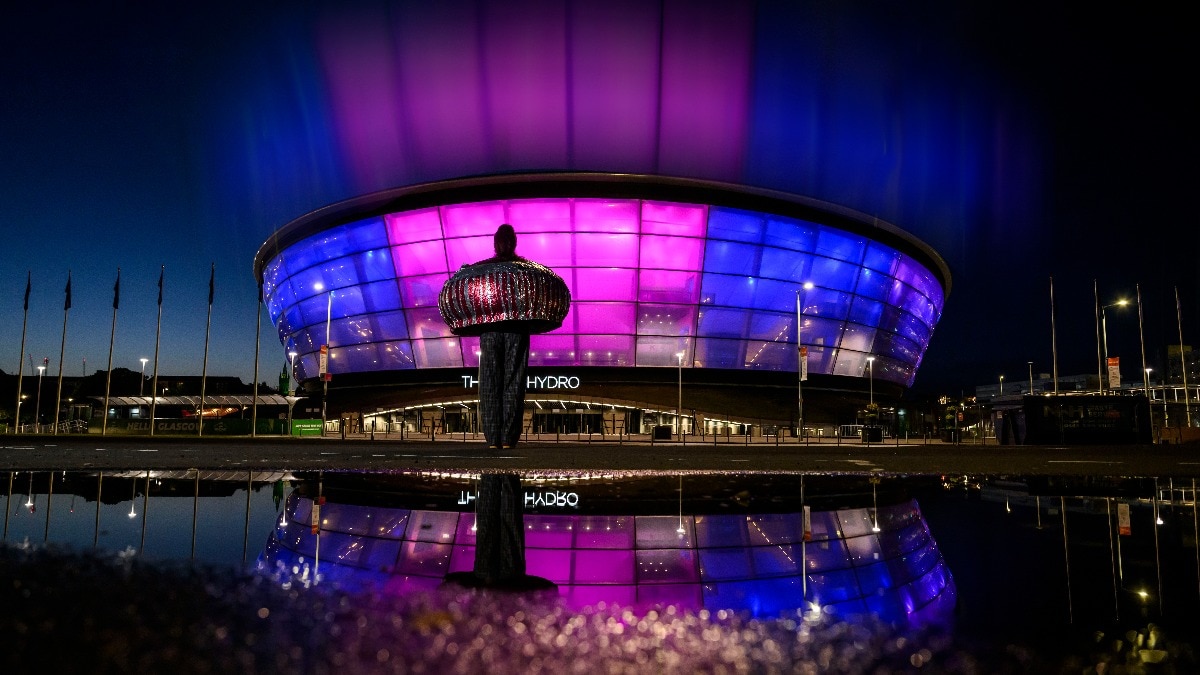
The opening ceremony will be led by King Charles at the Hydro, with athletes from 74 nations and senior dignitaries in attendance. Competitions will be spread across four venues: Scotstoun Stadium, Tollcross International Swimming Centre, Glasgow International Arena and the Scottish Event Campus (SEC).
Historical Background
When Victoria, Australia withdrew in July 2023, Glasgow stepped in as a last‑minute host. The original 2014 budget of £543 million has been trimmed dramatically; the 2026 Games will cost just £150 million, making it the most cost‑effective edition to date.
Why This Matters
BozokMedia analysis shows that a scaled‑back yet financially disciplined Commonwealth Games can set a new benchmark for future multi‑sport events, balancing athlete experience with fiscal responsibility.
"A lean budget does not have to compromise sporting excellence if strategic partnerships and technology are leveraged," says international sports analyst Dr. Aman Singh.
Star Competitors
Jamaican sprint legend Elaine Thompson‑Herah, Canadian double‑Olympic champion Andre De Grasse, and South Africa’s Chad Le Clos are marquee names. Scotland’s Eilish McColgan will look to defend her 10,000 m title, following her mother’s 1986 victory.
Frequently Asked Questions
Q1: Are tickets still available?
A: Yes, more than half of the events still have tickets on sale through the official portal.
Q2: Will local businesses benefit financially?
A: Projections suggest an extra £300 million in revenue for hotels, restaurants and tourism across the region.