To ensure peak performance and prevent digestive issues, the Sports Authority of India has introduced a traditional Japanese menu for athletes training in Bengaluru.
Key Takeaways
- SAI is introducing Japanese cuisine to athletes to aid acclimatisation.
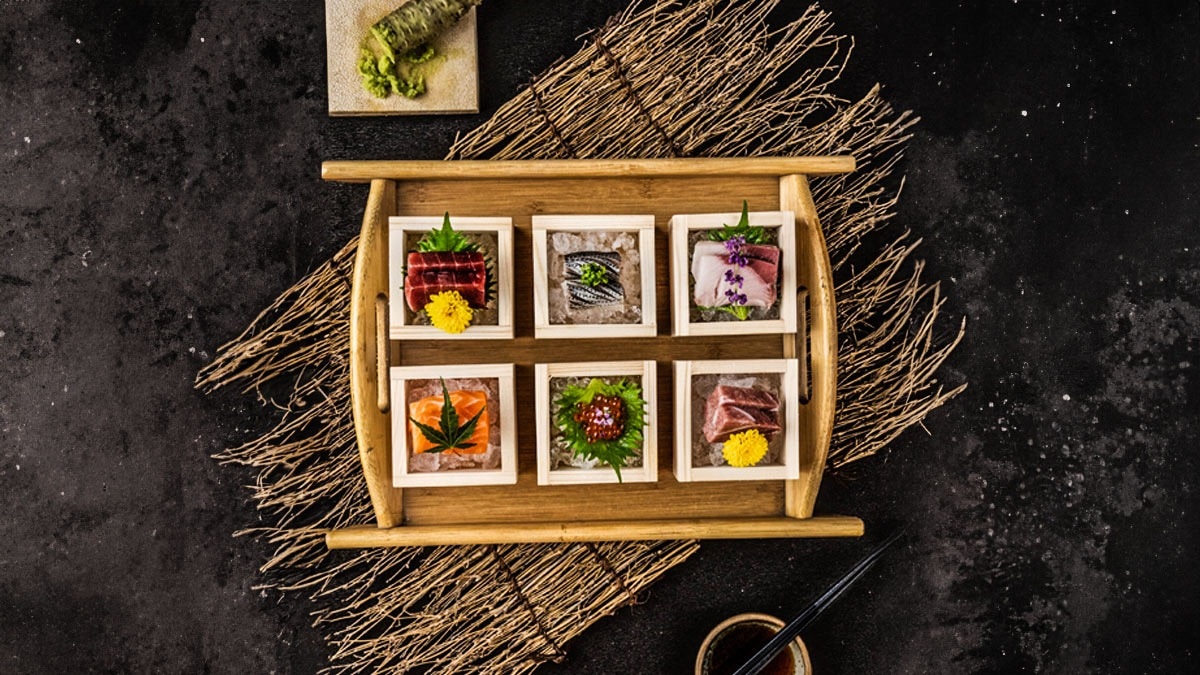
- The menu includes Sushi, Ramen, Udon Noodles, and Shoyu Chicken Broth.
- The move aims to prevent energy drops and digestive issues faced in previous Games.
- The programme is being conducted in an FSSAI five-star rated facility.
In a strategic move to bolster preparation for the upcoming Aichi-Nagoya Asian Games, the Sports Authority of India (SAI) has launched a unique dietary acclimatisation programme. At the SAI Southern Centre in Bengaluru, Indian athletes are no longer just consuming traditional staples like dal and rice; they are being introduced to the authentic flavours of Japan.
This initiative is designed to bridge the gap between Indian diets and the local food available in Japan. By incorporating dishes such as Avocado and Cucumber Uramaki, Charred Hamachi, and Udon Noodles, SAI aims to prepare the athletes' digestive systems for the dietary shifts they will encounter at the Games Village. This proactive approach seeks to eliminate the risk of nutritional deficiencies or stomach upsets during competition.
Why This Matters
BozokMedia analysis shows that dietary management is a critical, yet often overlooked, component of elite sports performance. Past experiences at the Tokyo 2020 and Paris 2024 Games highlighted the challenges athletes face when transitioning to foreign cuisines. During the Paris Paralympics, the logistical strain was so significant that support staff had to ship 1,800 energy bars overseas to meet the caloric requirements of the Indian contingent.
"The primary objective is to make sure our athletes do not face difficulty with food in Japan or have their performance suffer because of a sudden change in diet." — V Jeyaraj, Executive Chef, SAI NSSC
The transition follows a structured, phased approach. It began with Japanese desserts and rolls, moved to appetizers, and has now escalated to full main courses featuring Sushi and Sashimi. To ensure maximum safety, the meals are prepared in an FSSAI five-star rated facility, monitored against 97 strict parameters including hygiene, cooking methods, and ingredient segregation.
Historical Background
This isn't the first time SAI has utilized dietary transition strategies. A similar model was successfully implemented during the Indian hockey team's tour of Chile last year. The Sports Ministry continues to evolve its training protocols to include every physiological aspect of an athlete's journey.
Frequently Asked Questions
1. Why is dietary acclimatisation necessary for athletes?
Sudden changes in diet can lead to digestive issues and energy fluctuations, which can negatively impact an athlete's performance on the field.
2. What kind of Japanese food is being served?
The menu includes a variety of items like Ramen, Sushi, Udon Noodles, and specialized broths to mimic the Japanese diet.