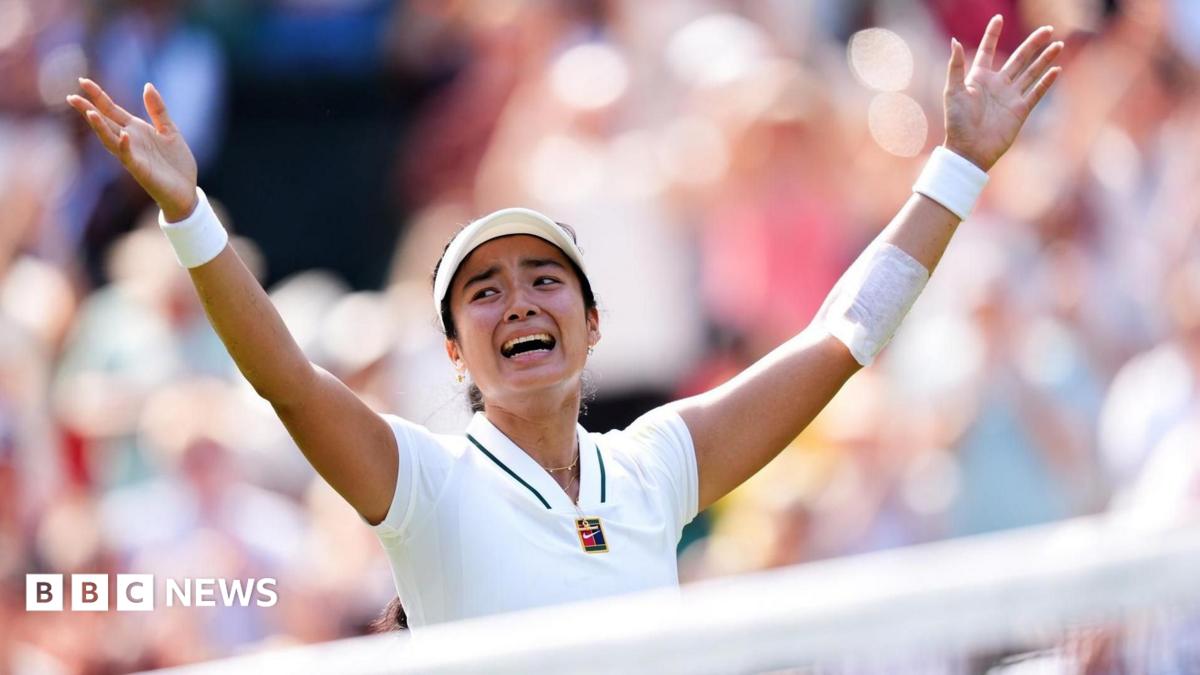
From an elite pastime to a national inspiration, Alex Eala's historic Wimbledon run is igniting a tennis revolution in the Philippines.
Key Takeaways
- Alex Eala made history by reaching the fourth round of Wimbledon.
- Her success is shifting the Philippine sports focus from basketball and boxing toward tennis.
- High costs of equipment and court rentals remain significant barriers for grassroots talent.
In a nation long dominated by the 'three B's'—basketball, boxing, and beauty queens—a new sporting icon has emerged. Alex Eala, the 21-year-old tennis sensation, has ignited a passion for tennis across the Philippine archipelago. Her historic run at Wimbledon, which included defeating defending champion Iga Swiatek, has transformed her into a national hero.
The impact of her success is felt far beyond the luxury courts of Manila. In the Rizal Stadium, young athletes like 14-year-old Maristella Torrecampo are fueled by Eala's journey. Torrecampo, who travels 13 hours by bus from her rural hometown to compete, views Eala as an 'elder sister' (Ate Alex) and a beacon of hope for aspiring players from humble backgrounds.
Why This Matters
BozokMedia analysis shows that Eala's rise is more than just a sporting milestone; it is a cultural shift. While tennis has historically been an elite sport in the Philippines, Eala’s visibility is creating a 'dream gap' bridge, allowing the youth to envision themselves on the global stage. However, the transition from interest to mass participation faces systemic economic hurdles.
Alex Eala has proven that talent can transcend social classes, but infrastructure must evolve to sustain this momentum.
Historically, tennis in the Philippines has been a 'rich man's sport.' With court rentals in Manila costing approximately 2,000 pesos ($32) per hour, the sport remains financially out of reach for many. The journey of coach Jovy Barce, who rose from being a ball boy to a professional coach through sheer self-study, highlights the grit required to navigate this landscape without elite resources.
Comparison: Traditional Sports vs. Rising Tennis
| Feature | Basketball/Boxing | Tennis (Emerging) |
|---|---|---|
| Popularity | Massive (National Obsession) | Rapidly Growing |
| Accessibility | High (Available in every village) | Low (Concentrated in wealthy enclaves) |
| Key Icons | Manny Pacquiao, LeBron James | Alex Eala |
Frequently Asked Questions
1. What was Alex Eala's major achievement at Wimbledon?
She reached the fourth round, becoming the farthest any Filipina has gone in a Grand Slam, and defeated Iga Swiatek.
2. Why is tennis difficult for average Filipinos to play?
High costs of equipment and expensive court rentals make it an elite-dominated sport.
