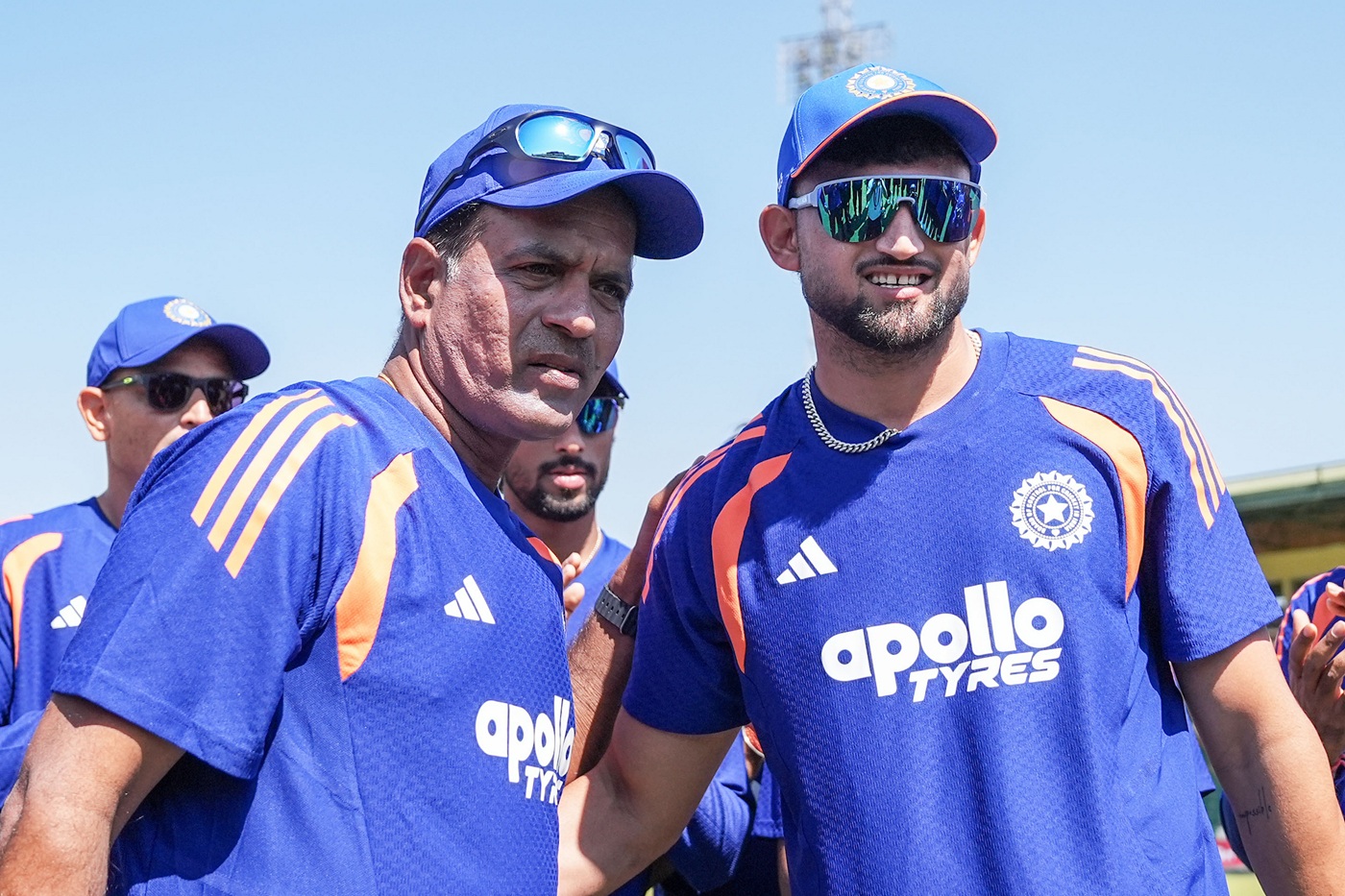
India, having already secured the T20I series and reclaimed the top ranking, opted to bat first in the third T20I against Zimbabwe in Harare. The team introduced fast bowler Ashok Sharma and all-rounder Suryansh Shedge into the playing XI, signaling a clear intent to complete a clean sweep and test squad depth. Zimbabwe also made a forced change due to injury, bringing in Wellington Masakadza.
Key Takeaways
- India made two strategic changes: Ashok Sharma and Suryansh Shedge entered the playing XI.
- Captain Shreyas Iyer chose to bat first, anticipating a slower pitch in Harare.
- India aims for a 3-0 series sweep, having already secured the T20I series and the No. 1 ranking.
- Zimbabwe brought in Wellington Masakadza for the injured Richard Ngarava.
Harare, Zimbabwe – Fresh off securing the T20I series and reclaiming their coveted No. 1 ranking, the Indian cricket team took to the field in Harare for the third and final T20 International against Zimbabwe. With an unassailable 2-0 lead, Captain Shreyas Iyer won the toss and elected to bat first, indicating a clear strategy to dominate the game and complete a resounding series sweep.
The visitors made two notable changes to their lineup, bringing in fast bowler Ashok Sharma in place of the injured Prince Yadav, and introducing all-rounder Suryansh Shedge for Shivam Dube. These selections reflect India's desire to provide exposure to a broader pool of talent while maintaining their winning momentum. Speaking on his decision to bat, Iyer remarked, "Considering we are playing on the same wicket [as the second T20I], we anticipate it to get slower and slower. We want to replicate the same things we did yesterday."
Why This Matters
BozokMedia analysis shows that India's strategic team changes for the third T20I are not merely about squad rotation but a calculated move to assess new talent under match pressure, especially after securing the series. This approach allows the team management to build a robust bench strength, crucial for upcoming international assignments. Furthermore, maintaining a clean sweep reinforces India's dominance in the T20I format and solidifies their recently regained top ranking, sending a strong message to competitors.
Zimbabwe, on the other hand, was compelled to make a single change, with left-arm spinner Wellington Masakadza stepping in for the injured fast bowler Richard Ngarava, who suffered a niggle. Zimbabwean captain Sikandar Raza also expressed his desire to bat first but did not share Iyer's concerns about the pitch changing significantly in the second innings. The home side will be looking to salvage some pride and avoid a whitewash in front of their home crowd.
"India's willingness to experiment with their lineup while maintaining a winning focus is a testament to their deep talent pool and strategic vision for future T20 World Cups," stated a leading cricket analyst.
India's journey to the top of the T20I rankings has been impressive. After a temporary dip following a 4-0 defeat against England, two convincing victories against Zimbabwe propelled them back to the summit. A loss in this third game, however, would see them slip back to the second spot, making the series sweep even more critical for maintaining their current standing.
The previous encounters saw India display exceptional form. In the opening T20I, Vaibhav Sooryavanshi's explosive 18-ball half-century powered India to a seven-wicket victory. The second game witnessed another dominant performance, with Ishan Kishan smashing 81 off 44 balls and Tilak Varma contributing an unbeaten 60 off 29, leading India to an emphatic 90-run win and an unassailable 2-0 lead.
Frequently Asked Questions
- What were the key changes in India's playing XI for the 3rd T20I? India brought in fast bowler Ashok Sharma for Prince Yadav and all-rounder Suryansh Shedge for Shivam Dube.
- Why did India choose to bat first in the 3rd T20I? Captain Shreyas Iyer anticipated the pitch would get slower as the game progressed, aiming to replicate their successful strategy from the previous match.