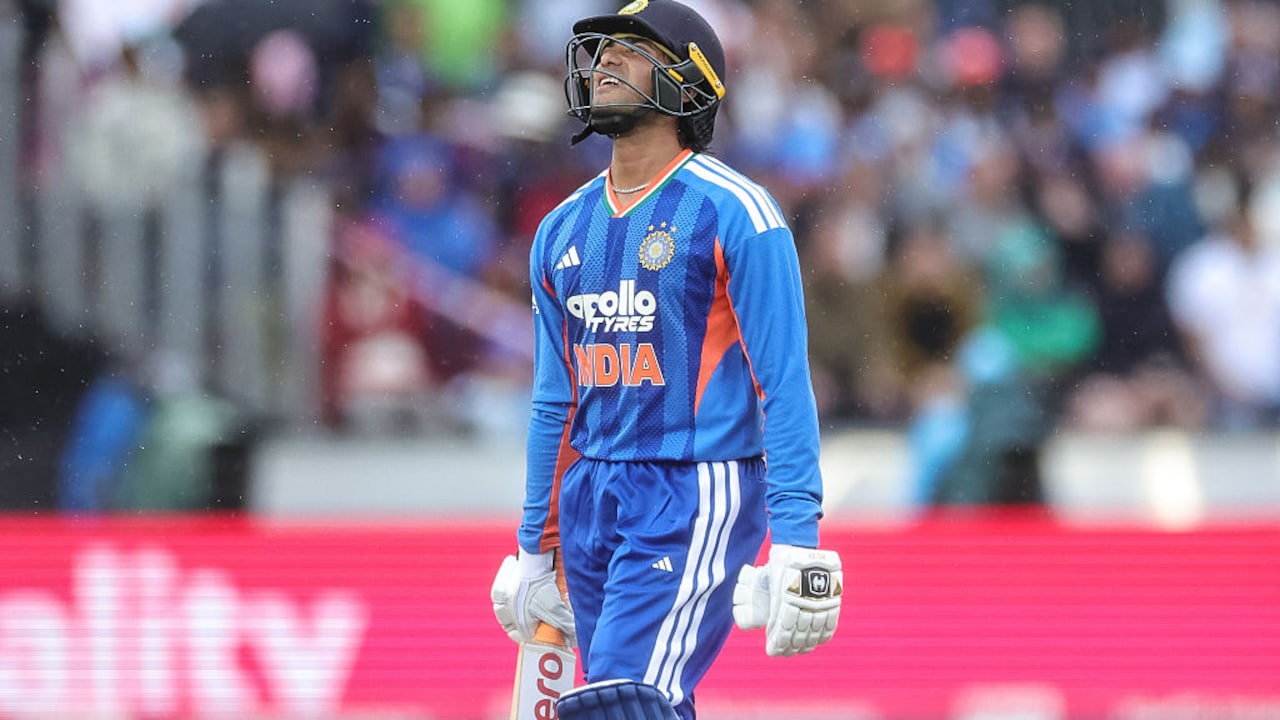
ICC’s No. 2 ranked T20 batter Abhishek Sharma returned from the Zimbabwe tour with just 11 runs in three innings, averaging 3.66. The slump is part of a months‑long decline that threatens his place in the side.
Key Takeaways
- Sharma’s average fell to 3.66, 11 runs in three matches
- Form slump has persisted for several months
- Team selection uncertainty is rising
Abhishek Sharma, who started the year as the world’s No. 1 T20 batter, managed only 11 runs across three T20Is against Zimbabwe. The under‑performance not only raises doubts about his personal form, but also sparks questions about India’s batting strategy.
Once ranked second by the ICC, his average has nosedived to 3.66 from a career‑high of 45.00. This isn’t an isolated failure; it marks the latest chapter in a prolonged slump that has seen several senior players struggle.
Historical Background
Sharma burst onto the international scene in 2022, quickly becoming a fan‑favorite with his aggressive opening style. In 2023 he posted multiple 70‑plus scores, cementing his role as a reliable T20 opener. However, technical frailties—especially against pace and variable spin—have emerged this year.
Why This Matters
BozokMedia analysis shows that Sharma’s dip could force selectors to reconsider the opening pair ahead of the upcoming Asia Cup, potentially reshaping India’s batting strategy for the next two years.
"Sharma must adapt his game to modern T20 demands, otherwise his spot remains at risk," says former coach Rajiv Kumar.
Frequently Asked Questions
Question 1: What caused Sharma’s struggles against Zimbabwe?
Answer: The combination of quick seam, variable spin and limited scoring options hampered his natural aggression.
Question 2: How will this performance affect his chances for the Asia Cup?
Answer: If Sharma cannot regain form quickly, selectors may favor an alternative opener for the tournament.