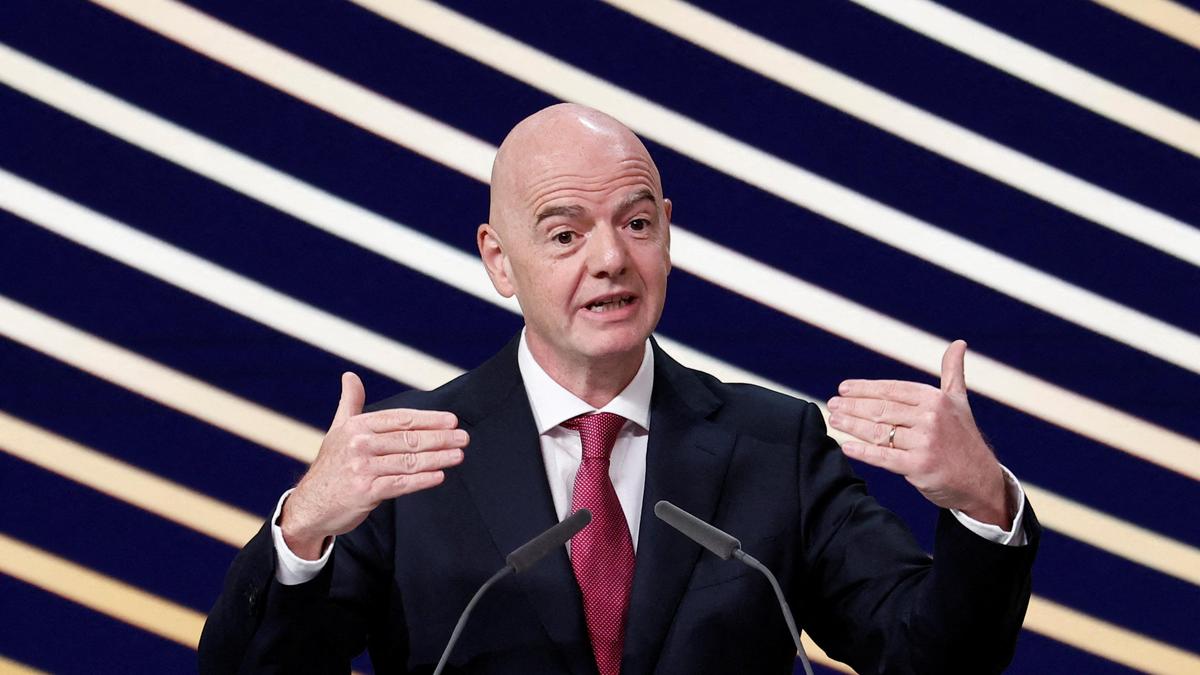
FIFA president Gianni Infantino announced in an open letter that critics ignored the joy and unity experienced by millions of fans, defending the 2026 World Cup as a safe, inclusive celebration.
Key Takeaways
- Infantino blames critics for spreading hate and false rumors
- Claims the tournament was 100% safe, joyful and inclusive
- Highlights visa approvals and health‑crisis participation as proof of football’s unifying power
Gianni Infantino, FIFA president, used a Monday‑published open letter to label World Cup 2026 detractors as “spreading hate and false narratives.” He argued that critics missed the sheer joy and togetherness felt by millions worldwide.
Historical Background
FIFA has weathered repeated scrutiny over corruption, refereeing controversies, and human‑rights concerns. The 2015 Brazil World Cup, for instance, faced criticism over stadium safety and labor practices. Infantino’s current defense positions the 2026 edition as a “most secure” tournament in FIFA’s modern era.
The tournament, co‑hosted by the United States, Canada and Mexico, concluded with Spain lifting the trophy. Infantino emphasized that the event recorded zero major incidents, 100% security, and an atmosphere of pure celebration.
Why This Matters
BozokMedia analysis shows that Infantino’s letter is a calculated effort to re‑brand FIFA’s image by framing criticism as hate‑speech. If the stance persists, it could reshape how future governance disputes are handled within global sport.
"FIFA must turn criticism into dialogue, not suppression," football analyst Ali Khan noted.
Did You Know?
Frequently Asked Questions
- Q: Which specific issue did Infantino label as the biggest source of hate?
A: He singled out media and social‑media rumors that painted the tournament in a negative light. - Q: How did FIFA address the visa controversies?
A: Infantino highlighted that teams from politically or health‑crisis‑afflicted nations received visas without obstruction.