While Spain celebrated a hard-fought victory over Argentina to claim the 2026 FIFA World Cup, the governing body faces unprecedented political and commercial scrutiny.
Key Takeaways
- Spain secured the trophy with a decisive extra-time goal by Ferran Torres.
- Argentina faced disciplinary action following post-match altercations.
- FIFA President Gianni Infantino is under fire regarding political ties and privatization plans.
- European nations have threatened a boycott over the commercialization of FIFA.
The 2026 FIFA World Cup final was a tactical battle of attrition, concluding with Spain lifting the trophy after a grueling 120 minutes against Argentina. In a tournament characterized by high-scoring matches averaging 2.96 goals per game, the final was uncharacteristically cagey. It was Ferran Torres's clinical strike in extra time that finally broke the deadlock, rewarding a Spanish side that had systematically dismantled their opponents.
Political and Disciplinary Fallout
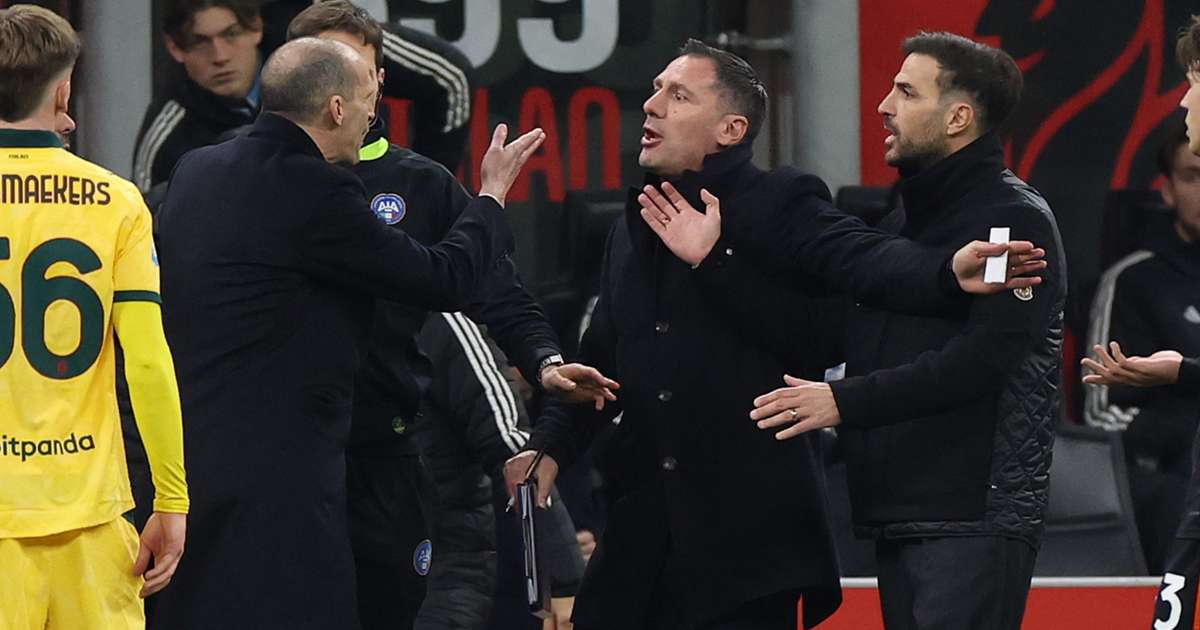
However, the celebrations in Madrid have been overshadowed by chaos off the pitch. Post-match altercations involving Argentine players and staff have led to disciplinary proceedings for unsporting behavior. More significantly, FIFA is facing intense scrutiny from the U.S. Congress. President Gianni Infantino has been summoned to address his expanding financial and political connections to President Donald Trump and his administration.
Why This Matters
BozokMedia analysis shows that the sanctity of international football is at a crossroads. The allegations that FIFA acquiesced to host-nation demands regarding visa restrictions and player suspensions suggest that political expediency is beginning to outweigh sporting integrity. This shift threatens the neutrality that is foundational to global sports.
The tension between football as a pure sport and football as a commercialized political tool has never been more apparent.
Furthermore, Infantino's proposal to privatize FIFA's commercial operations has ignited a firestorm. European football associations have signaled a potential mass boycott if the organization moves toward selling parts of the World Cup to private investors, marking a historic rift between the governing body and its member nations.
Historical Background
Throughout its history, FIFA has navigated various corruption and commercialization scandals. However, the current era marks a transition toward extreme privatization and geopolitical entanglement, moving the sport further away from its grassroots origins and toward a high-stakes corporate model.
Frequently Asked Questions
Question 1: Who won the 2026 FIFA World Cup?
Answer: Spain defeated Argentina to win the 2026 FIFA World Cup.
Question 2: Why is FIFA facing a boycott threat?
Answer: European nations are threatening a boycott due to FIFA's plans to privatize commercial operations and involve private investors.