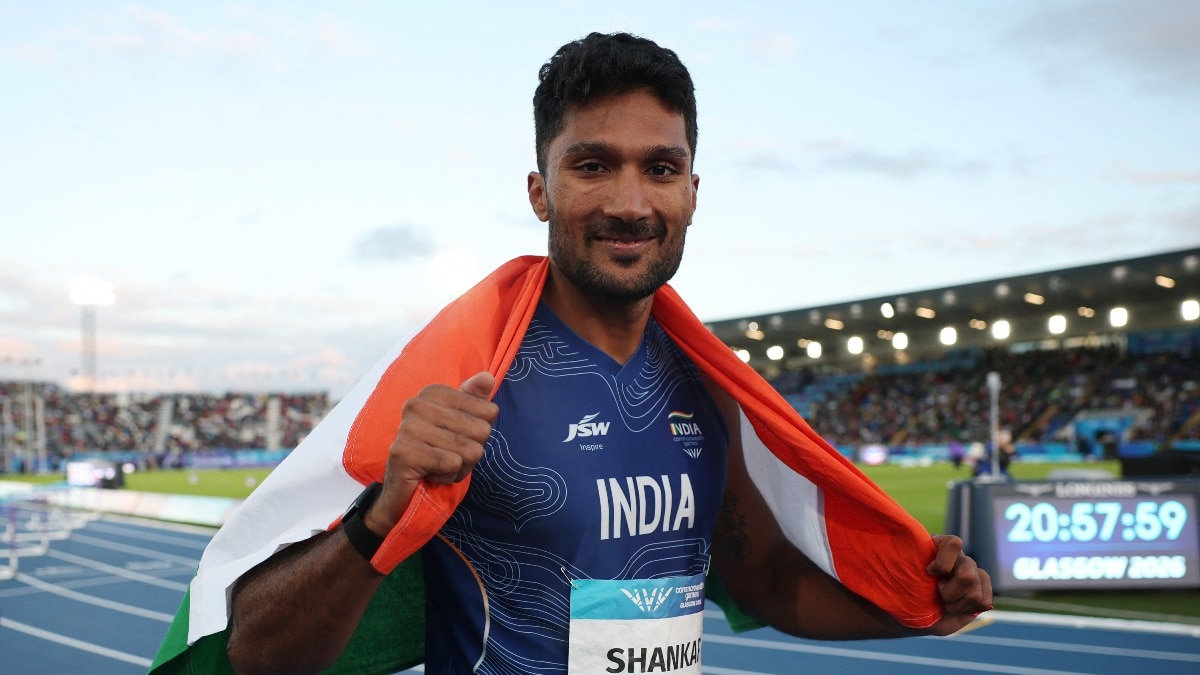
India’s triple‑jump star Tejaswin Shankar credits sleepless nights with ChatGPT for refining his technique, culminating in a bronze at the Commonwealth Games.
Key Takeaways
- Shankar used ChatGPT to design nightly training drills
- AI‑driven analysis sharpened his jump technique
- Bronze medal fuels new hopes for Indian athletics
Night‑Owls and AI: The ChatGPT Training Regime
India’s triple‑jump specialist Tejaswin Shankar attributes his Commonwealth Games 2022 bronze medal to countless late‑night sessions with ChatGPT. In the weeks leading up to the event, he fed the AI with competition footage, performance metrics, and specific queries, receiving tailored feedback on form and split‑time optimization.
Collaborating with his coach, Shankar leveraged the AI’s data‑driven insights to fine‑tune his landing phase, shaving crucial centimeters off his jumps and turning a near‑miss into a podium finish.
Historical Background
Prior to the CWG, Shankar had won silver at the 2018 Asian Games and reached the semifinals at the 2019 World Championships, yet a major medal had eluded him. This bronze marks a breakthrough, underscored by his willingness to adopt cutting‑edge technology.
Why This Matters
BozokMedia analysis shows that AI‑assisted training, exemplified by Shankar’s ChatGPT usage, could redefine preparation methods for Indian athletes, potentially boosting future medal tallies at global events.
"AI tools like ChatGPT are becoming indispensable for athletes seeking marginal gains," says sports scientist Dr. Ananya Rao.
Frequently Asked Questions
Q1: Did ChatGPT generate Shankar’s entire training plan?
A: No, it provided targeted suggestions based on the athlete’s and coach’s inputs.
Q2: Are other Indian athletes using AI in their preparation?
A: Yes, a growing number are integrating data‑analytics platforms and AI tools into their routines.