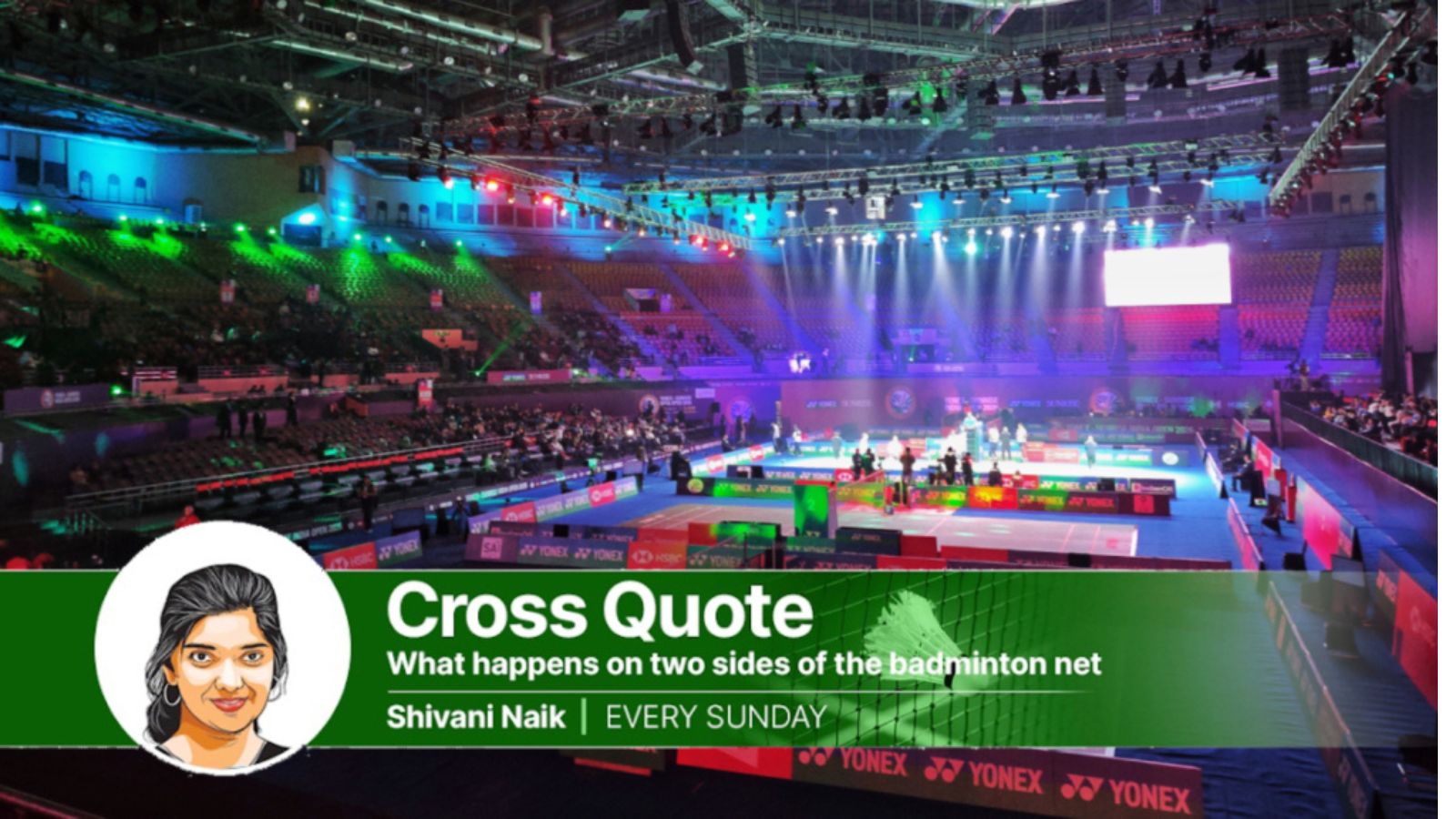
Court hues, jersey shades, and broadcast aesthetics shape badminton's biggest moments. A deep dive into Indian shuttlers' colour choices and global court designs.
Key Takeaways
- Colours affect court visibility
- Players enjoy kit flexibility
- Future tournaments treat colour selection strategically
Colour Stories in Badminton
For Indian fans, the yellow‑red clash of PV Sindhu vs. Carolina Marin at Rio 2016 is unforgettable, while the men's team’s white jerseys with blue geometric accents defined the 2022 Thomas Cup victory.
A typical court comprises three PVC layers, a fiberglass mesh for solidity, and a green carpet on top—balancing sound absorption and shock resistance. Yet many elite events now favour grey courts, reducing glare and improving photography.
Why This Matters
BozokMedia analysis shows that colour choices not only reshape audience experience but also influence players’ psychological performance.
"Grey courts have given badminton a new visual identity," says photographer Raphael Sachetat.
Historical Background
Early badminton courts were predominantly red or green, causing unwanted reflections on players’ faces. The shift to grey courts in the 1970s, pioneered by the All England Championships, ushered in a modern broadcasting era.
| Colour | Advantages | Drawbacks |
|---|---|---|
| Red | Boosts energy | Reflective glare |
| Green | Natural feel | Color shift under lights |
| Grey | Neutral, low reflection | May appear bland |
Frequently Asked Questions
Q1: Does the colour of the court affect player performance?
A: Yes, colour influences both visibility and psychological factors.
Q2: Are there restrictions on changing jersey colours?
A: No, players can switch colours each tournament as long as they comply with regulations.