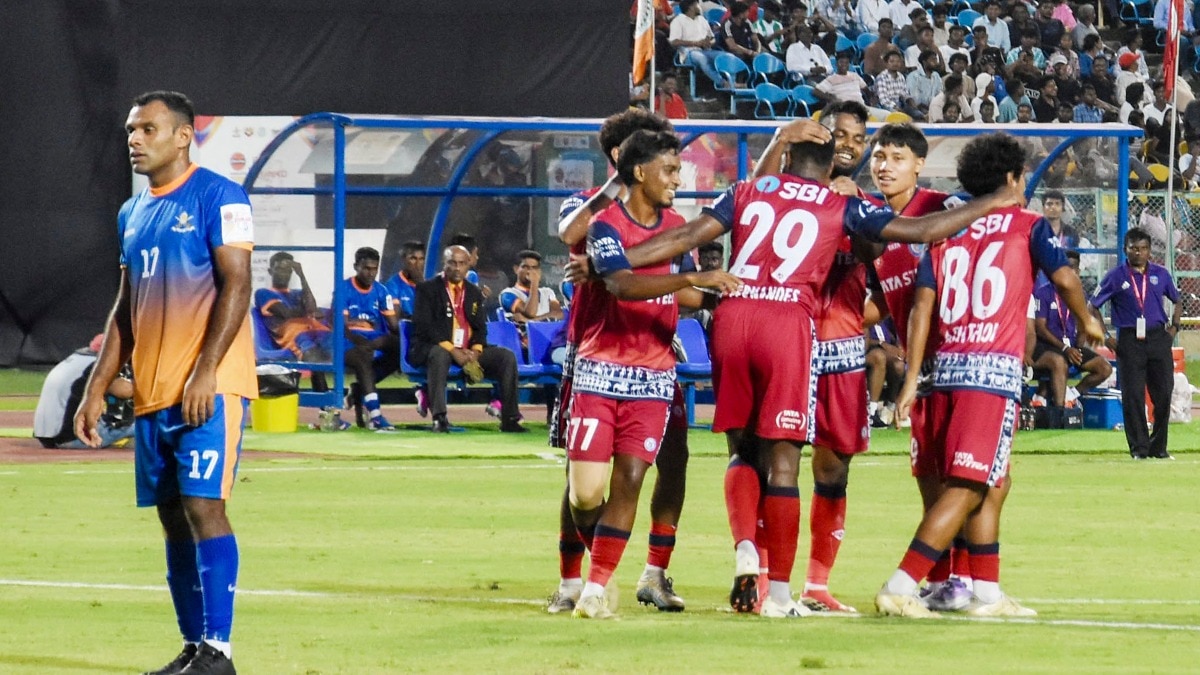
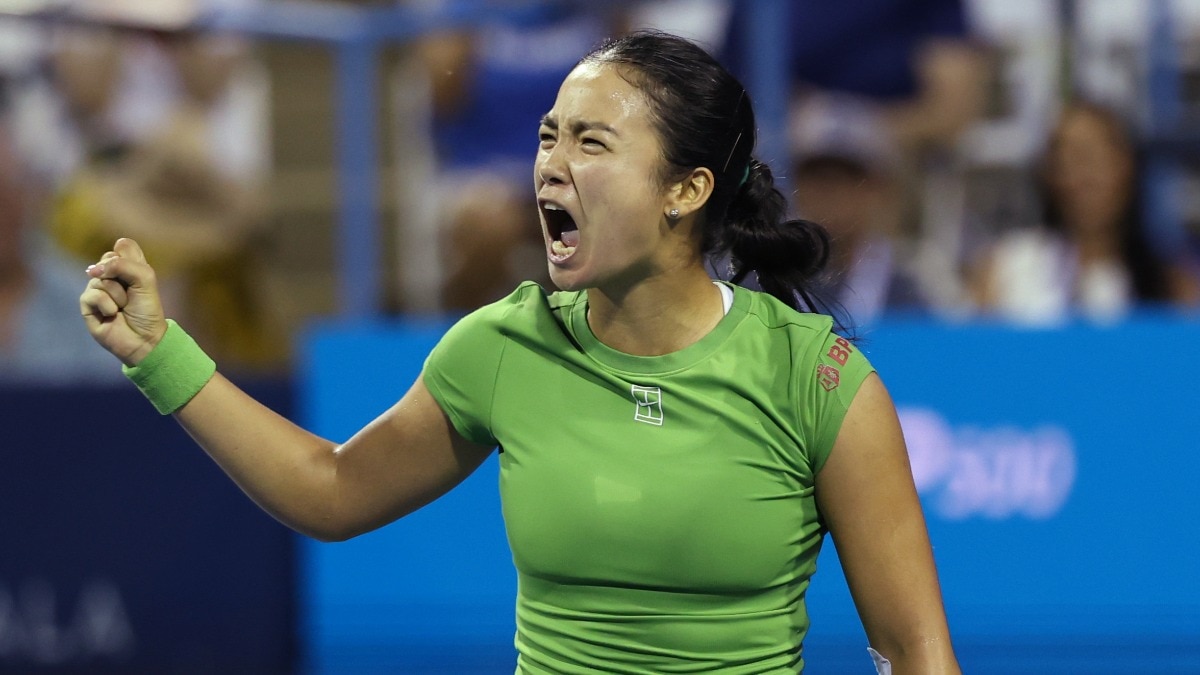
Gulveer Singh clinched gold in both the 5,000m and 10,000m races, while Tejaswin Shankar earned a bronze in the decathlon. Their breakthroughs provide a massive confidence boost for India ahead of the Asian Games.
Key Takeaways
- Gulveer won a historic double in the 5,000m and 10,000m at a single CWG.
- Tejaswin Shankar added a decathlon bronze, marking a first for India.
- These performances raise expectations for the upcoming Asian Games.
Historical Background
India’s Commonwealth Games medal tally grew from three in 2014 (Glasgow) to eight in 2022 (Birmingham). The 2026 Glasgow edition delivered ten medals (excluding para events), the highest ever for the nation.
Gulveer Singh, now 28, has spent most of the past two years training at altitude in Colorado Springs under coach Scott Simmons. Apart from a domestic win at the Tata Steel World 25K in Kolkata, his competition schedule has been almost entirely overseas since early 2025.
Tejaswin Shankar’s bronze in the decathlon came after a grueling multi‑event schedule, highlighting India’s expanding talent pool beyond traditional sprint and jump events.
Why This Matters
BozokMedia analysis shows that athletes who consistently race at world‑class meets develop the tactical acumen needed for the Asian Games. These medals are not just numbers; they signal a shift in India’s athletics strategy toward depth and resilience.
"Consistency in international competition is the key to Asian Games success," says an AFI senior coach.
Frequently Asked Questions
- Will Gulveer’s double gold translate into Asian Games medals? His altitude training and recent form suggest a strong medal prospect.
- What does Tejaswin’s decathlon bronze mean for India’s multi‑event future? It proves Indian athletes can compete across a broader spectrum of disciplines.