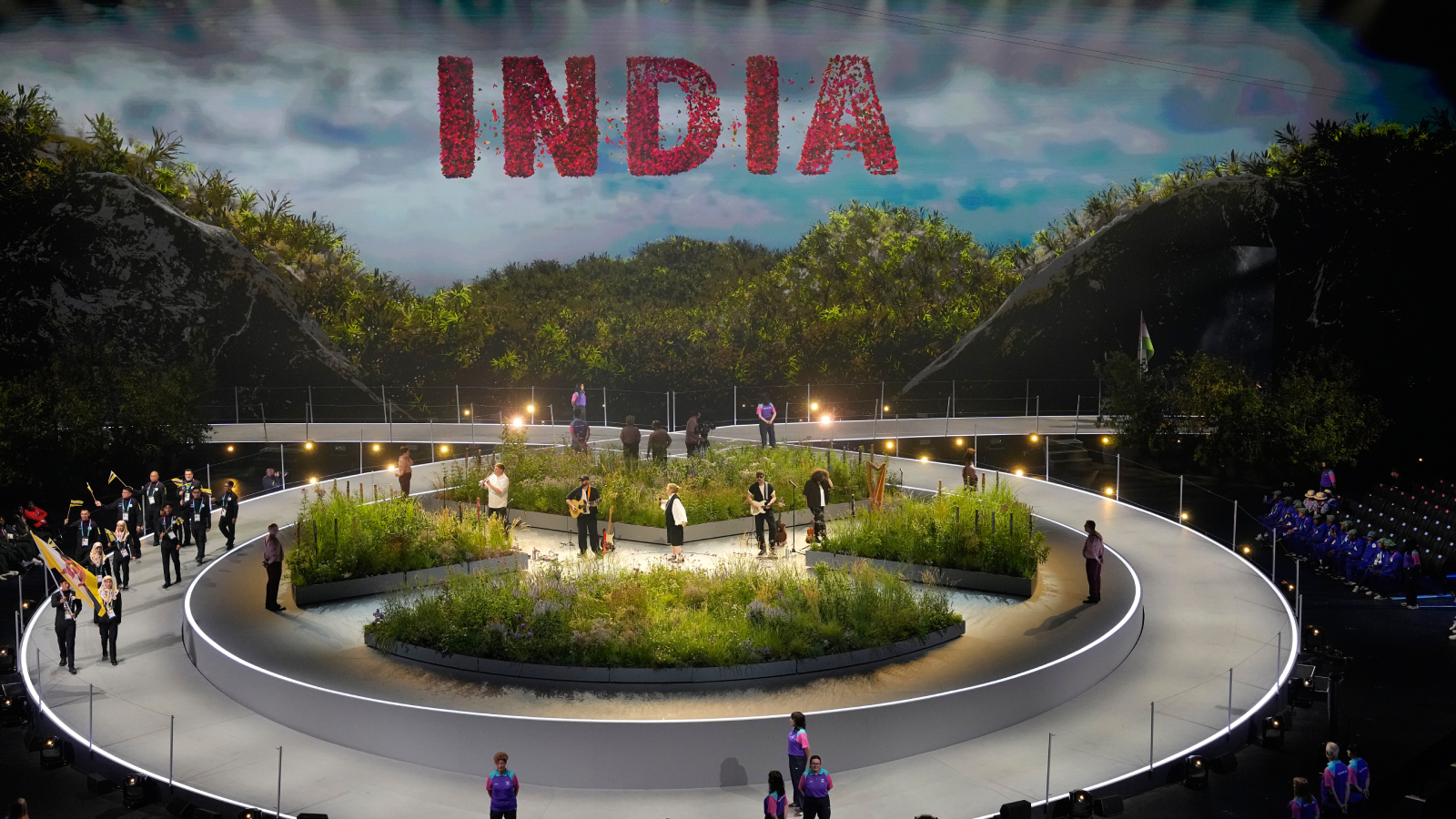
India concluded the Glasgow Commonwealth Games 2026 with a fourth‑place finish and a haul of 39 medals, despite a trimmed sports program. The campaign featured historic firsts, surprising under‑performances, and moments that will shape future Indian sport policy.
Key Takeaways
- India secured 39 medals and finished fourth overall
- Boxing delivered a seven‑gold sweep; Judo earned its first golds
- Lawn bowls and sprint events fell short of expectations
Overall Performance and Medal Count
The Glasgow Commonwealth Games 2026 saw India return home with 12 gold, 13 silver and 14 bronze medals – a total of 39 – placing the nation fourth in the overall standings. This achievement is noteworthy given the removal of traditional medal events such as shooting and wrestling from the Indian roster.
Historic Highs
Boxing produced a seven‑gold, three‑silver haul, eclipsing the previous record of six golds held by England and Canada. Women boxers led the charge with five golds. In Judo, Asmita Dey (women’s 48 kg) and Harsh Singh (men’s 60 kg) captured India’s first-ever gold medals in the sport, marking a breakthrough for Indian martial arts.
Shock Under‑Performances
The lawn bowls squad, after a fairy‑tale gold in Birmingham, failed to adapt to the indoor format and exited early in all four entries. Sprinter Gurindervir Singh, fresh off a national record, posted a sluggish 10.39 seconds and finished 28th, hampered by a hamstring injury. The five‑member able‑bodied swimming team, led by Olympians Srihari Nataraj and Sajan Prakash, could not break into finals despite a record 42 medal events.
Heartbreaks
Administrative oversights in para‑swimming denied several qualified athletes, including Tejas Nandakumar, a chance to compete, highlighting systemic issues that need urgent redress.
Top Performer
Decathlete Tejaswin Shankar, battling a patellar tendon injury, amassed 7,976 points to win bronze – the first Indian decathlon medal in Commonwealth Games history and the first to medal in two distinct track‑and‑field events across editions.
Historical Background
India has participated in the Commonwealth Games since the 1930s, but 2026 marked the nation’s inaugural golds in Judo and a record boxing gold tally. Even with a reduced program, the diversity of medals underscores a broadening talent base.
Why This Matters
BozokMedia analysis shows that despite a limited sports slate, India’s medal diversity and overall tally signal the need for a more inclusive, strategic investment in emerging disciplines. The results will likely drive policy revisions and greater support for athletes across the spectrum.
"India’s Glasgow performance proves that depth of talent can outweigh breadth of events," says international sports analyst Prof. Rajesh Kumar.
Frequently Asked Questions
Q1: Is India planning to expand its sports programme for the 2030 Commonwealth Games?
A: The Ministry of Sports has indicated intentions to broaden the roster and increase athlete support ahead of the 2030 edition in Ahmedabad.
Q2: What contributed to Tejaswin Shankar’s historic decathlon bronze?
A: A combination of rigorous rehabilitation, strategic coaching, and unwavering mental resilience propelled him to the podium.