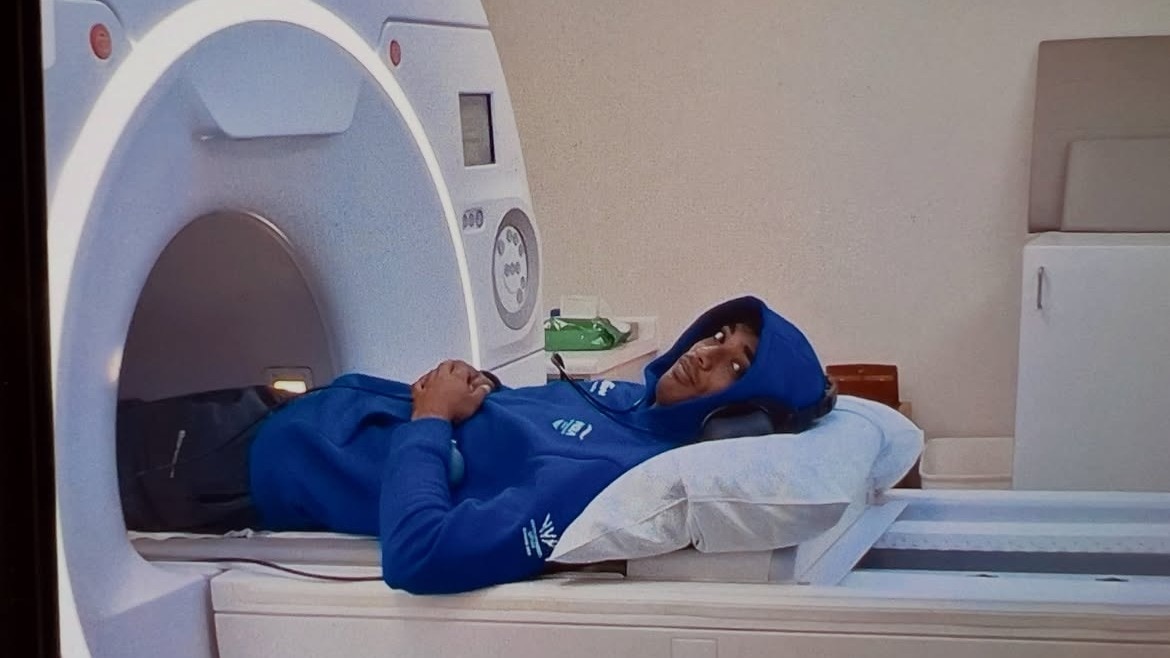
Tejas Shirs competed in the Commonwealth Games final despite a broken foot, forcing an abrupt end to his season. The incident has sparked widespread discussion on athlete safety in high‑stakes competitions.
Key Takeaways
- Tejas Shirs raced the CWG final with a broken foot
- The injury ended his competitive season
- The case raises concerns about athlete safety protocols
Indian sprinter Tejas Shirs entered the Commonwealth Games (CWG) final with a fractured foot, showcasing remarkable determination but ultimately ending his 2024 season. The injury was confirmed by medical staff immediately after the race, and Shirs will miss upcoming national and international meets.
Although he managed to cross the finish line, doctors advised immediate rest and potential surgery. This decision sidelines him for the remainder of the year, highlighting the physical toll elite competition can exact.
Historical Background: India has a storied presence at the Commonwealth Games, with notable performances since hosting the event in 2010. However, injuries have periodically disrupted athletes' careers, such as the hamstring tear suffered by sprinter Dheeraj Pandit in 2014.
Why This Matters
BozokMedia analysis shows that injuries like Shirs' not only affect individual careers but also influence national sport policies. The incident underscores the urgent need to revisit safety standards and provide comprehensive medical support for athletes.
"Ensuring full medical protection for athletes during competition is essential; otherwise, careers can be unexpectedly derailed," said sports physician Dr. Anita Singh.
Frequently Asked Questions
Question 1: Will Tejas Shirs require surgery?
Answer: Doctors indicated that bracing and possible surgery may be needed, pending detailed medical evaluation.
Question 2: Can he return to competition next season?
Answer: With proper rehabilitation, Shirs could potentially compete again within two years.