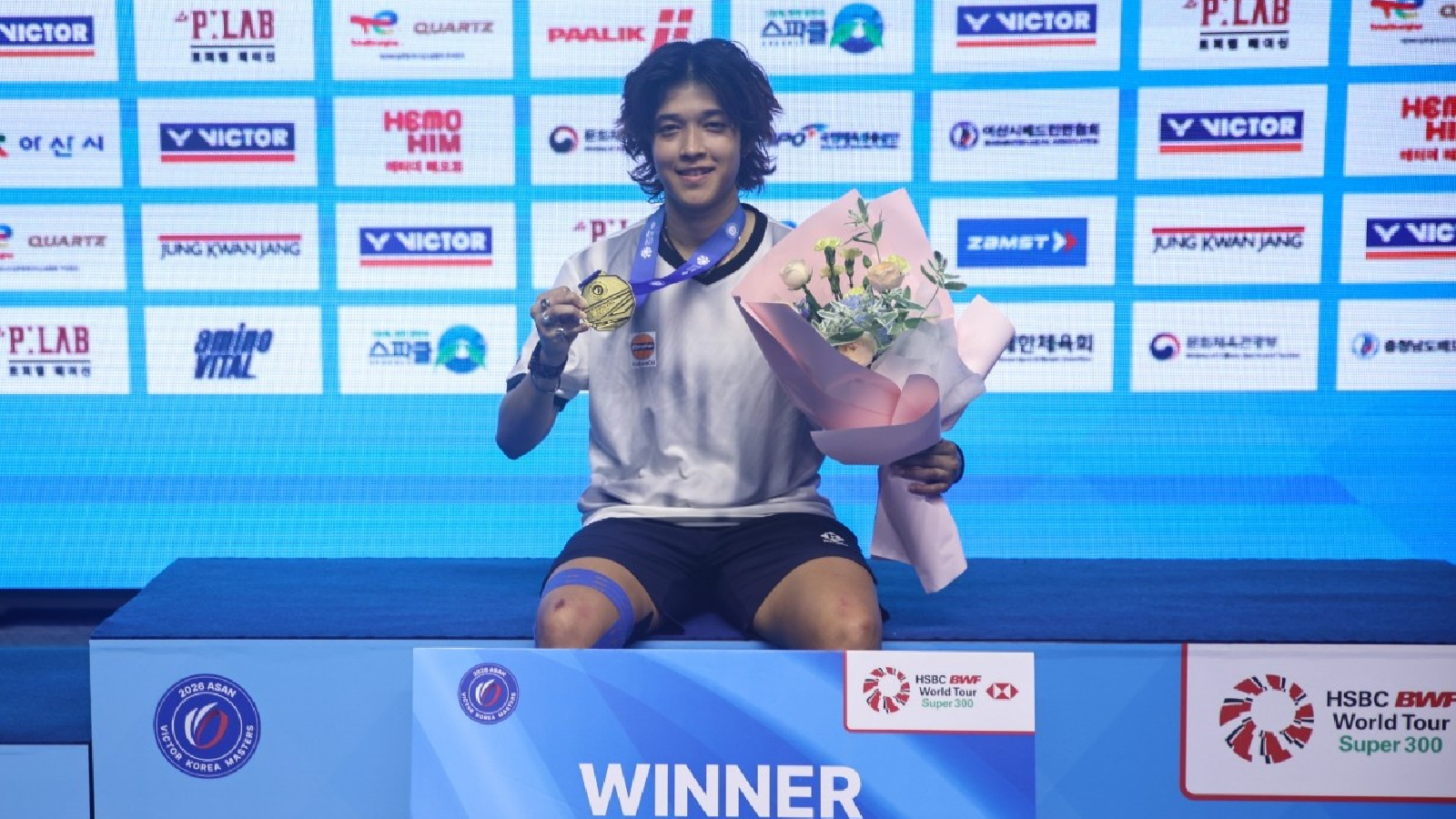
Badminton sensation Ashmita Chaliha has scripted a fairytale comeback by winning the Korea Masters. After battling a devastating knee injury, plummeting rankings, and a total loss of sponsorships, the southpaw shuttler has reclaimed her place on the world stage.
Key Takeaways
- Ashmita Chaliha won the Korea Masters 2026, her first BWF World Tour title.
- A meniscus tear in 2024 sidelined her for eight months and caused her ranking to drop to 211.
- She faced severe financial struggles after losing all major sponsorships post-injury.
- Her recovery was fueled by intensive training at the National Centre of Excellence (NCOE).
In the high-octane world of professional badminton, success is often measured by trophies and rankings. However, for Ashmita Chaliha, the road to the 2026 Korea Masters title was paved with struggle, silence, and survival. Following a meniscus tear in August 2024, the once-rising star saw her world crumble as her ranking spiraled down to World No. 211.
The challenges were not merely physical. As her ranking fell, so did the financial support. Sponsors walked away, and the pressure of being a 26-year-old female athlete in a demanding sport added an extra layer of psychological weight. Ashmita was forced to leave the high-performance environment of Bangalore and return to her hometown, Guwahati, facing a future that looked increasingly uncertain.
Why This Matters
BozokMedia analysis shows that Ashmita's journey represents a critical intersection of physical rehabilitation and mental fortification. Her ability to transition from an instinctive, high-risk attacker to a disciplined, tactical player demonstrates a level of professional maturity that is rare in elite sports.
True champions are not defined by how they play when they are winning, but by how they rebuild when they have lost everything.
A pivotal shift occurred when she joined the National Centre of Excellence (NCOE). Under the guidance of Coach Park, Ashmita focused on rebuilding her stamina and, more importantly, her mindset. She learned to tune out the external noise—the taunts about being 'error-prone'—and focused on tactical patience and physical conditioning.
Historical Context
In professional badminton, injury-induced ranking drops are often career-ending. The transition from the top 100 to the 200s often leads to a loss of funding that prevents athletes from traveling for tournaments, creating a vicious cycle of decline. Ashmita has successfully broken this cycle.
Frequently Asked Questions
1. What injury caused Ashmita Chaliha's decline?
She suffered a meniscus tear in her knee in 2024, which required surgery and an eight-month layoff.
2. How did she manage her comeback without sponsors?
She relied heavily on the support of her family and the training resources provided by the National Centre of Excellence (NCOE).