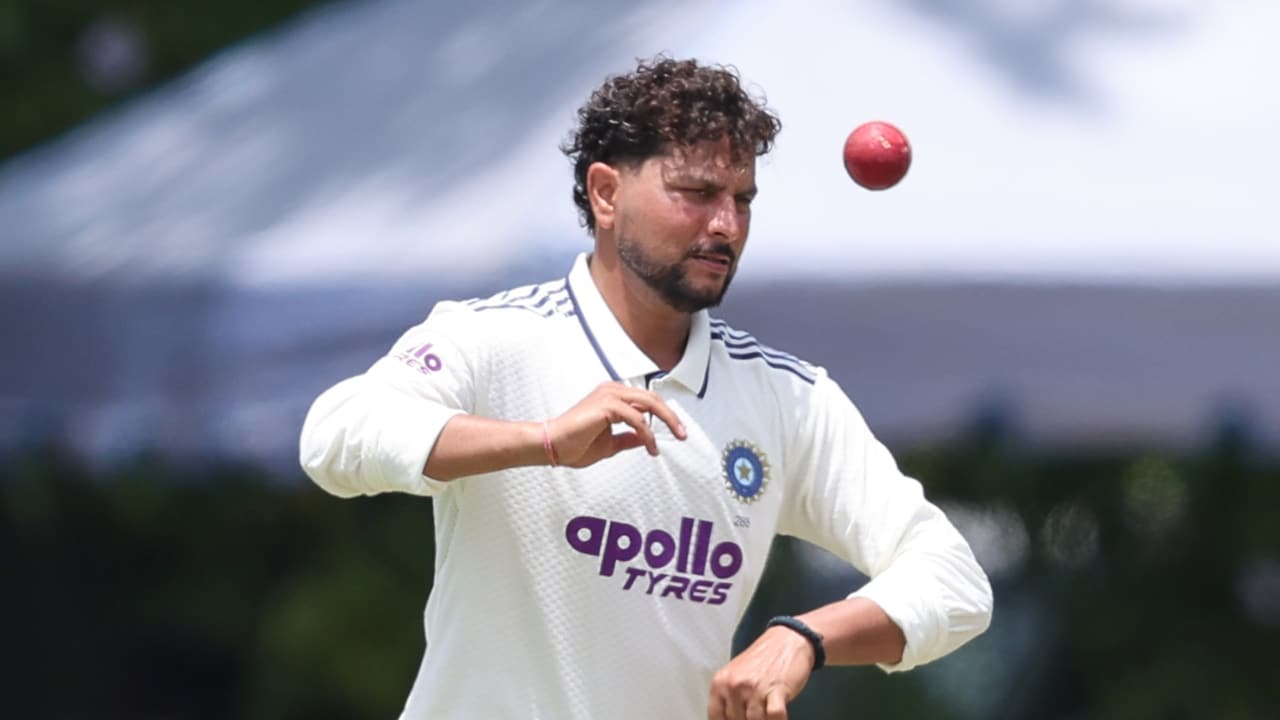
As Ruben Amorim begins to reshape Manchester United's identity, the potential reintegration of Marcus Rashford has sparked intense debate. Experts warn that bringing back the forward could dismantle the tactical discipline the new manager has worked so hard to build.
Key Takeaways
- Ruben Amorim has successfully introduced a new sense of tactical discipline at Manchester United.
- The reintegration of Marcus Rashford is viewed by many as a potential threat to this new structure.
- Balancing individual brilliance with collective discipline remains the club's biggest challenge.
Manchester United finds itself at a critical crossroads. While new manager Ruben Amorim has managed to instill a sense of order and tactical clarity in a previously chaotic squad, the looming possibility of Marcus Rashford's full reintegration into the starting lineup is causing concern among analysts. The fear is simple: could one player's return undo everything Amorim has achieved?
The Clash of Styles: Amorim's System vs. Rashford's Volatility
Since taking the helm, Amorim has focused on creating a cohesive unit where every player understands their defensive and offensive responsibilities. This 'system-first' approach is a stark contrast to the individualistic tendencies that have often plagued United in recent seasons. Rashford, while undeniably talented, has historically struggled with consistency and defensive work rates.
Why This Matters
BozokMedia analysis shows that the success of the Amorim era depends heavily on the team's ability to maintain high-intensity collective pressing. If Rashford is reintegrated without strictly adhering to these new tactical demands, it could create a 'weak link' that opponents will exploit, effectively breaking the structural integrity Amorim has built.
The dilemma for United is whether they want a team of stars or a team that functions as a machine; Rashford fits the former, but Amorim is building the latter.
Historically, Manchester United has struggled when attempting to balance high-profile individual talents with a rigid tactical philosophy. The club's recent history is littered with examples where 'star power' overshadowed 'team cohesion,' leading to fragmented performances on the pitch.
Frequently Asked Questions
1. What has Ruben Amorim changed at Man Utd?
Amorim has focused on implementing a strict tactical structure, improving defensive discipline, and emphasizing collective movement.
2. Why is Rashford's return considered a risk?
The risk lies in the potential mismatch between Rashford's individual playing style and the disciplined, system-oriented approach required by Amorim.