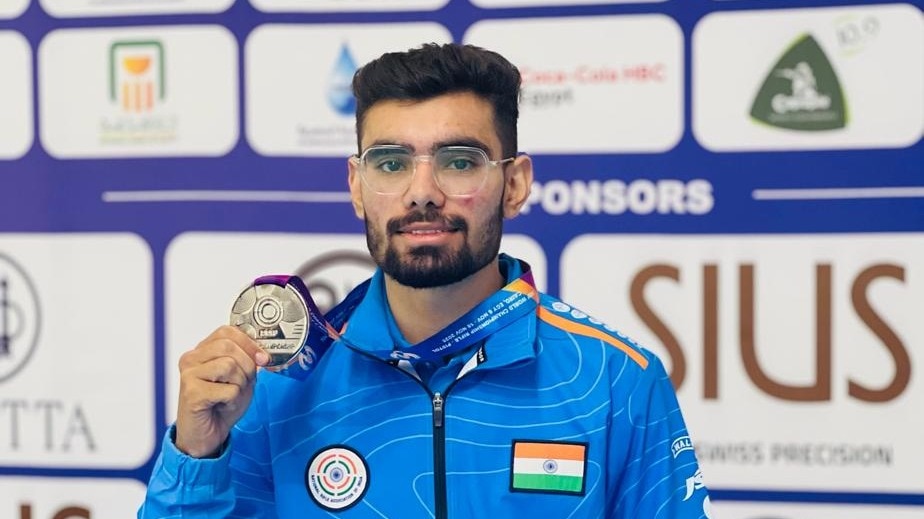
After a setback on a broken track, shooter Kamaljeet secures a second opportunity at the Asian Games, showcasing his renewed determination and ambition on the international stage.
Key Takeaways
- Kamaljeet gets a second shot at the Asian Games
- Previous track setbacks are now behind him
- Focused on winning medals and elevating India’s shooting legacy
Indian shooter Kamaljeet faced a disheartening moment last year when a broken track shattered his Olympic‑qualifying hopes. Undeterred, he regrouped, revamped his training regimen, and set his sights on the upcoming Asian Games.
First Attempt and Lessons Learned
His debut at the Asian Games fell short of expectations, leaving his aspirations in fragments. The experience, however, sparked a renewed focus on mental resilience and technical refinement.
New Preparation and Goals
Currently training at the national shooting centre, Kamaljeet incorporates advanced equipment and psychological coaching. His primary goal: secure a podium finish and contribute to India’s storied shooting heritage.
Historical Background
India has a rich shooting legacy, with legends like Abhinav Bindra, Vijay Kumar, and Riyan Sethi earning Olympic and Asian Games medals. Their successes have paved the way for the next generation of marksmen.
Why This Matters
BozokMedia analysis shows that Kamaljeet’s comeback is not just a personal triumph but a catalyst for broader growth in Indian shooting. A strong performance could inspire upcoming athletes and boost India’s overall medal tally at the Games.
"Kamaljeet’s resurgence signals a new chapter for Indian shooting," an industry expert remarked.
Frequently Asked Questions
Question 1: Who is Kamaljeet and what is his shooting background?
Answer: Kamaljeet is an emerging Indian shooter who has claimed multiple national titles and is now targeting success at the Asian Games.
Question 2: What are the main challenges shooters face at the Asian Games?
Answer: Key challenges include high pressure, meeting international equipment standards, and adapting to varying climatic conditions.