Legendary former captain Kapil Dev has raised alarms over the increasing injury frequency among Indian players, citing the heavy toll of T20 cricket and the lack of domestic multi-day matches.
Key Takeaways
- Kapil Dev emphasized the need for players to be mindful of their physical limits.
- The surge in T20 cricket is identified as a major factor in player burnout and injuries.
- Lack of domestic multi-day cricket is linked to India's struggle against spin.
- Absence of stars like Jasprit Bumrah and Sai Sudharsan raises fitness protocol concerns.
The recurring injury cycle among Indian cricketers has sparked intense debate within the sporting fraternity. As India prepares for the upcoming series against Sri Lanka, the squad faces significant setbacks with the absence of stalwarts like Jasprit Bumrah, Sai Sudharsan, and Washington Sundar. While the BCCI has cited fitness concerns, the prolonged absences have triggered questions regarding the efficacy of current protocols at the Centre of Excellence (CoE).
The Toll of T20 Cricket
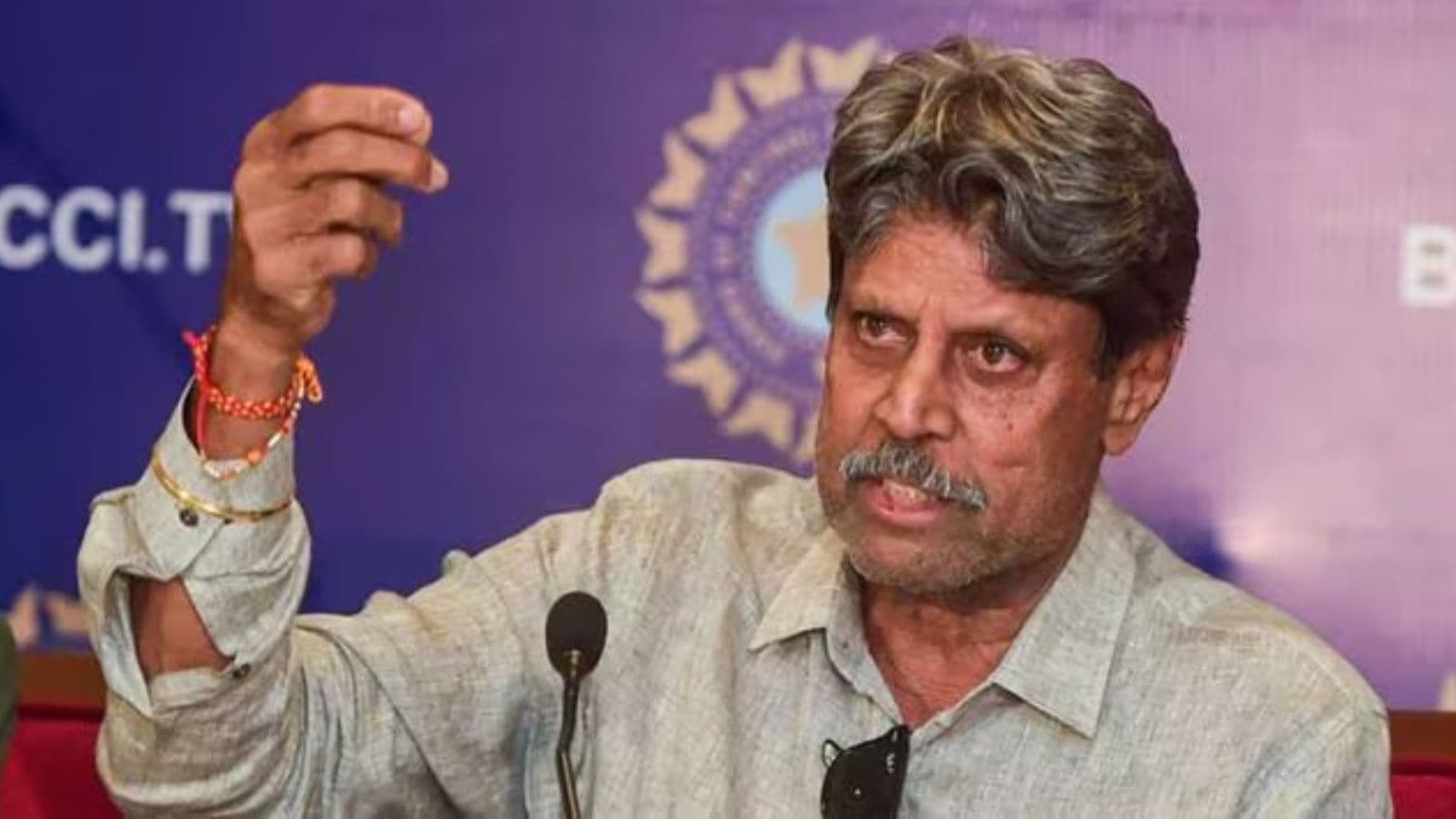
Speaking at the launch of the inaugural JITO Premier League, legendary all-rounder Kapil Dev voiced his concerns regarding the physical demands of the modern game. "There is too much T20 cricket happening, so you have to be careful about the toll it takes on the body," Dev remarked.
Dev pointed out a biological reality that often gets overlooked in the pursuit of franchise success: "One should know about one’s own body. Our body is actually not tuned to being a fast bowler. Our body is more tuned to being a batter." He urged the BCCI to implement stricter workload management, especially for fast bowlers who face much higher physical strain.
"Our body is more tuned to being a batter; the BCCI should look into how much workload can be given to a fast bowler." - Kapil Dev
Domestic Cricket and Spin Vulnerability
Beyond physical injuries, Dev also addressed India's recent struggles against spin bowling in home conditions, following whitewashes against New Zealand and South Africa. He attributed this decline to a lack of exposure to long-format cricket.
"The reason why Indian teams struggle against spin is that the top players don’t play enough domestic cricket," Dev observed. He suggested that making players participate in multi-day matches is crucial for learning technical nuances and mentoring the younger generation.
Why This Matters
BozokMedia analysis shows that the shift toward shorter formats is creating a tactical gap in Test cricket. If the core group of players is constantly sidelined by injuries or lacks the stamina for multi-day formats, India's dominance in the longest version of the game could be significantly compromised.
Historical Background
The debate over workload management has intensified since the inception of the IPL. As the calendar becomes increasingly congested with various T20 leagues, the transition from white-ball specialists to red-ball stalwarts has become a significant challenge for the BCCI and national selectors.
Frequently Asked Questions
1. Why is Kapil Dev concerned about T20 cricket?
He believes the high frequency of T20 matches places excessive physical strain on players, particularly fast bowlers, without adequate recovery time.
2. How does domestic cricket help against spin?
Multi-day domestic matches provide the necessary time and technical practice required to master playing spin on wearing pitches.