ICC CEO Sanjog Gupta has declared that the era of meaningless bilateral cricket must end to ensure the survival of the format. He also outlined a massive revamp for the upcoming 50-over World Cup.
Key Takeaways
- The era of bilateral series without context is coming to an end.
- ICC will focus on context, culture, competition, and competitiveness.
- A major revamp of the 50-over World Cup format has been announced.
In an era dominated by high-octane franchise leagues, the traditional bilateral cricket format is facing a significant existential threat. ICC CEO Sanjog Gupta has addressed this head-on, stating that the days of 'randomly scheduled bilateral series' must come to an end to maintain the sport's relevance and sustainability.
Gupta emphasized that for cricket to survive, it requires significant investment—both financial and non-financial. He highlighted four critical levers that drive fan engagement: context, culture, competition, and competitiveness. Without these elements, bilateral matches risk becoming obsolete in the eyes of fans and sponsors alike.
Why This Matters
BozokMedia analysis shows that the rise of T20 leagues has cannibalized the attention span previously reserved for One Day Internationals (ODIs). By injecting more 'context' into bilateral series—perhaps through points systems or qualification links—the ICC aims to ensure that every match carries weight.
'Countries will not be able to sustain cricket without context, culture, competition, and competitiveness.'
The 50-Over World Cup Revolution
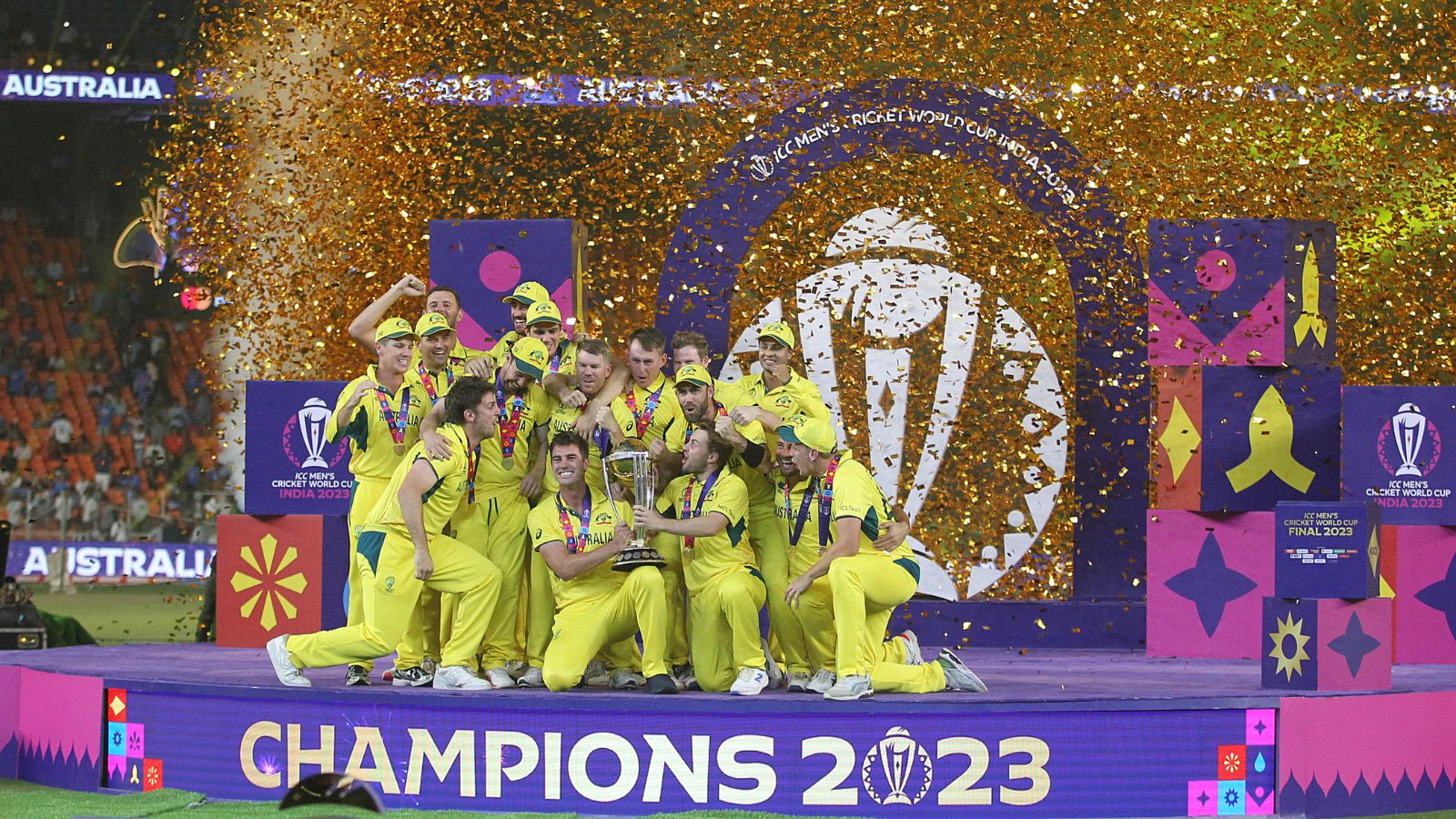
To safeguard the ODI format, the ICC is also introducing a revamped structure for the 50-over World Cup. The tournament will feature 14 teams and move away from the traditional group stages to a more dynamic three-stage competition:
| Stage | Format Details |
|---|---|
| Super Series | Round-robin between teams ranked 12th, 13th, and 14th. |
| Group Stage | 12 teams split into two groups of six (30 matches). |
| Super 7 Stage | Top 7 teams play a single round-robin league. |
This structure is designed to ensure that every match, from the opening game to the final, remains high-stakes and meaningful for the participating nations.
Frequently Asked Questions
1. Why is the ICC changing the bilateral format?
To ensure that matches have enough context and competitiveness to attract fans and justify the investment of resources.
2. How many teams will participate in the new World Cup?
The revamped 50-over World Cup will feature a total of 14 teams.