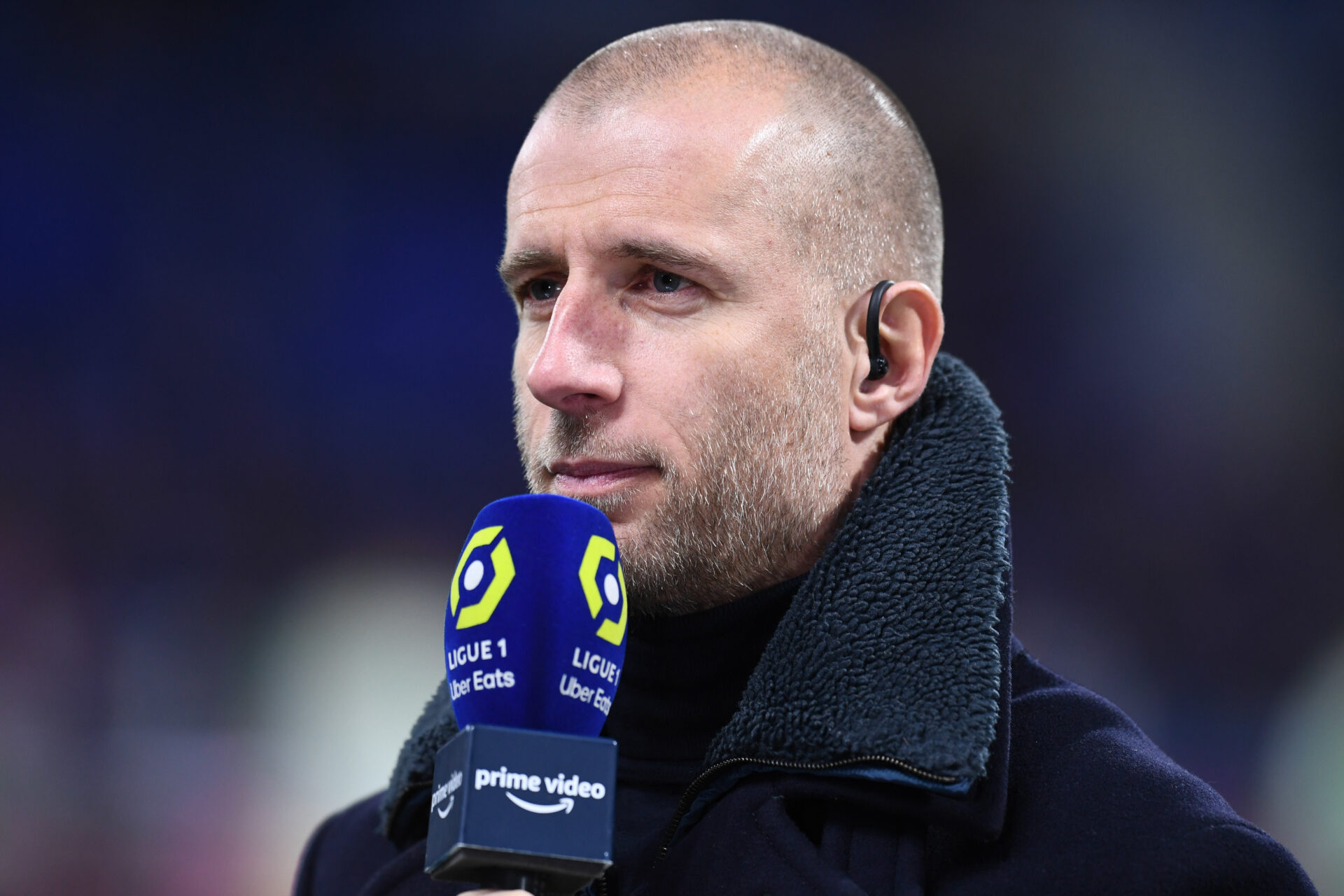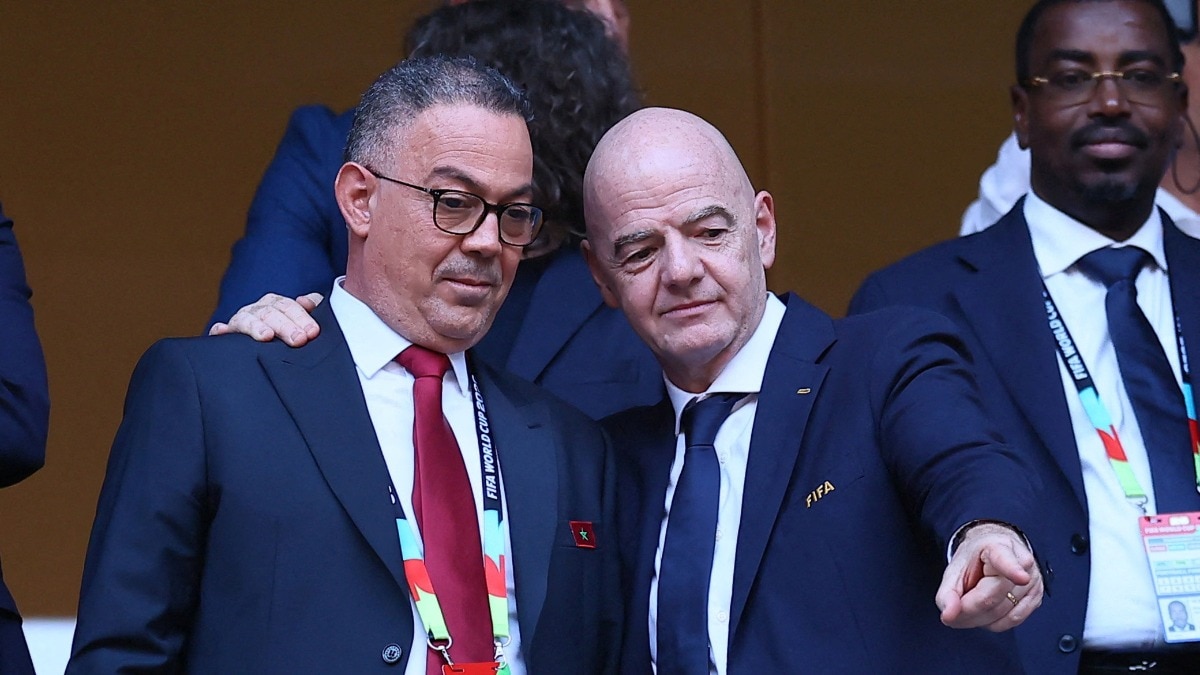
Six Arab football federations—including Morocco, Qatar, Egypt, Mauritania, Lebanon, and Sudan—have publicly backed FIFA President Gianni Infantino as dissent over his $20 billion World Cup commercial plan intensifies. Their endorsement arrives as European unions withdraw support, reshaping the 2027 election landscape.
Key Takeaways
- Morocco, Qatar, Egypt, Mauritania, Lebanon and Sudan back Infantino.
- The support comes amid backlash against his $20 billion commercial structure.
- Four of the signatories sit on the FIFA Council, strengthening the endorsement.
New Delhi (Aug 14) – Six Arab football federations have issued a joint statement offering “full support” to FIFA President Gianni Infantino, even as dissent over his leadership grows worldwide. The federations—Morocco, Qatar, Egypt, Mauritania, Lebanon and Sudan—affirm confidence in Infantino’s ability to develop football globally.
Four of the federation presidents are also members of the FIFA Council, giving the endorsement a distinct political weight. Their statement praised Infantino’s “sustained efforts to advance football globally, expand opportunities across all regions and strengthen the game’s role in bringing people together.”
Why This Matters
BozokMedia analysis shows that Arab backing could tip the balance in the upcoming 2027 FIFA presidential election, especially as European federations like UEFA and national associations such as England and Ireland withdraw their endorsements.
"Arab federations' support underscores the geopolitical dimension of football governance, making the upcoming vote a true test of global consensus."
Infantino’s $20 billion commercial proposal was recently scrapped after widespread criticism, prompting UEFA, AFC and CONCACAF to demand an independent review. While the Arab bloc’s endorsement cushions Infantino, the broader opposition from Europe and parts of Asia continues to pose a significant challenge.
Frequently Asked Questions
Q1: Will the Arab federations’ backing improve Infantino’s chances of re‑election?
A: The support may bolster his vote count, but ongoing resistance from European and Asian members keeps the outcome uncertain.
Q2: Why was the $20 billion investment plan withdrawn?
A: Many members accused the plan of breaching trust by lacking adequate consultation, leading to its abandonment.