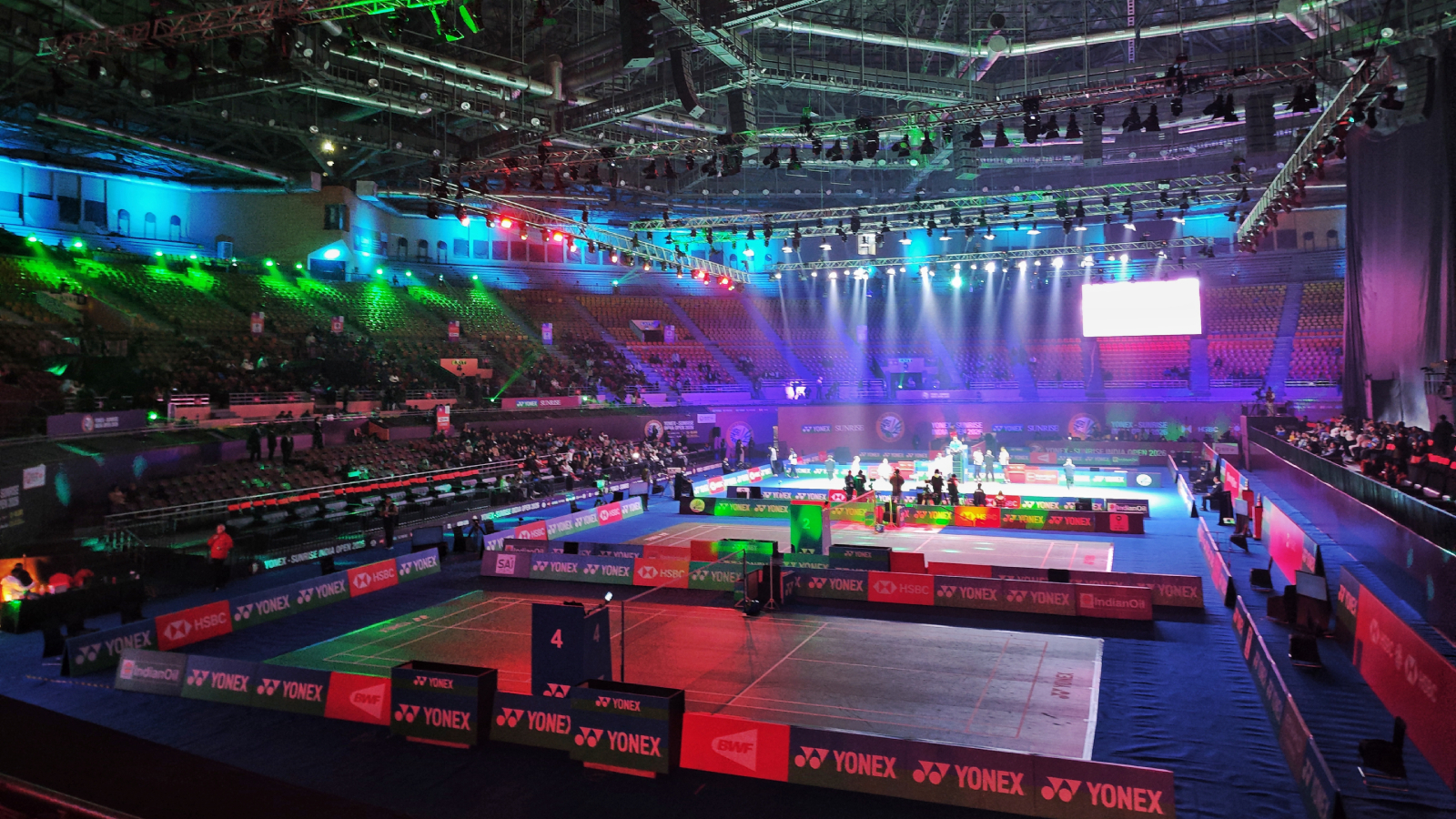
Organisers of the Delhi Badminton World Championships face a unique challenge: balancing temperature to keep anti-pigeon gel stable while preventing wind drift from affecting player performance.
Key Takeaways
- Organisers in Delhi must balance AC temperatures to stabilize anti-pigeon gel on the stadium roof.
- The gel is necessary to prevent a repeat of the pigeon-related scandal seen during the India Open.
- Aggressive air conditioning to keep the gel stable can create 'drift,' altering shuttlecock flight.
- The tournament begins on Monday, August 17, with top international players arriving.
The upcoming Delhi Badminton World Championships present a high-stakes logistical tightrope walk for Indian organisers. Following criticisms during the India Open in January, the focus has shifted from mere hosting to mastering the complex environmental variables of the Indira Gandhi Stadium.
The Pigeon Problem and the Gel Solution
While 'birds' in badminton usually refer to shuttlecock feathers, actual pigeons have become a significant threat to match integrity. After a scandal involving bird droppings on the court during the Super 750 India Open, organisers implemented a drastic measure: applying a capsicum-reinforced gel to the stadium roof to deter birds.
The Temperature-Drift Dilemma
However, this solution introduces a new complication. The anti-pigeon gel requires specific temperature controls to remain solid; if the arena gets too warm, the gel could melt and drip onto the court or spectators. To prevent this, air conditioning must be run at high intensity. This, in turn, creates 'drift'—unpredictable air currents that can alter the trajectory of the shuttlecock and complicate line calls for players.
Why This Matters
BozokMedia analysis shows that in elite badminton, where milliseconds and millimeter-precision matter, environmental consistency is as crucial as the players' skill. The tension between maintaining structural gel stability and ensuring a predictable flight path for the shuttlecock represents a massive technical hurdle for the Delhi organizers.
Managing court drift is not just about comfort; it is about ensuring the technical fairness of the game at the highest level.
Frequently Asked Questions
1. Why is special gel being used on the roof?
To prevent pigeons from nesting and dropping waste on the court, a lesson learned from the previous India Open.
2. How does air conditioning affect the match?
While it keeps the gel stable, heavy A/C usage creates wind currents (drift) that change how the shuttlecock flies.