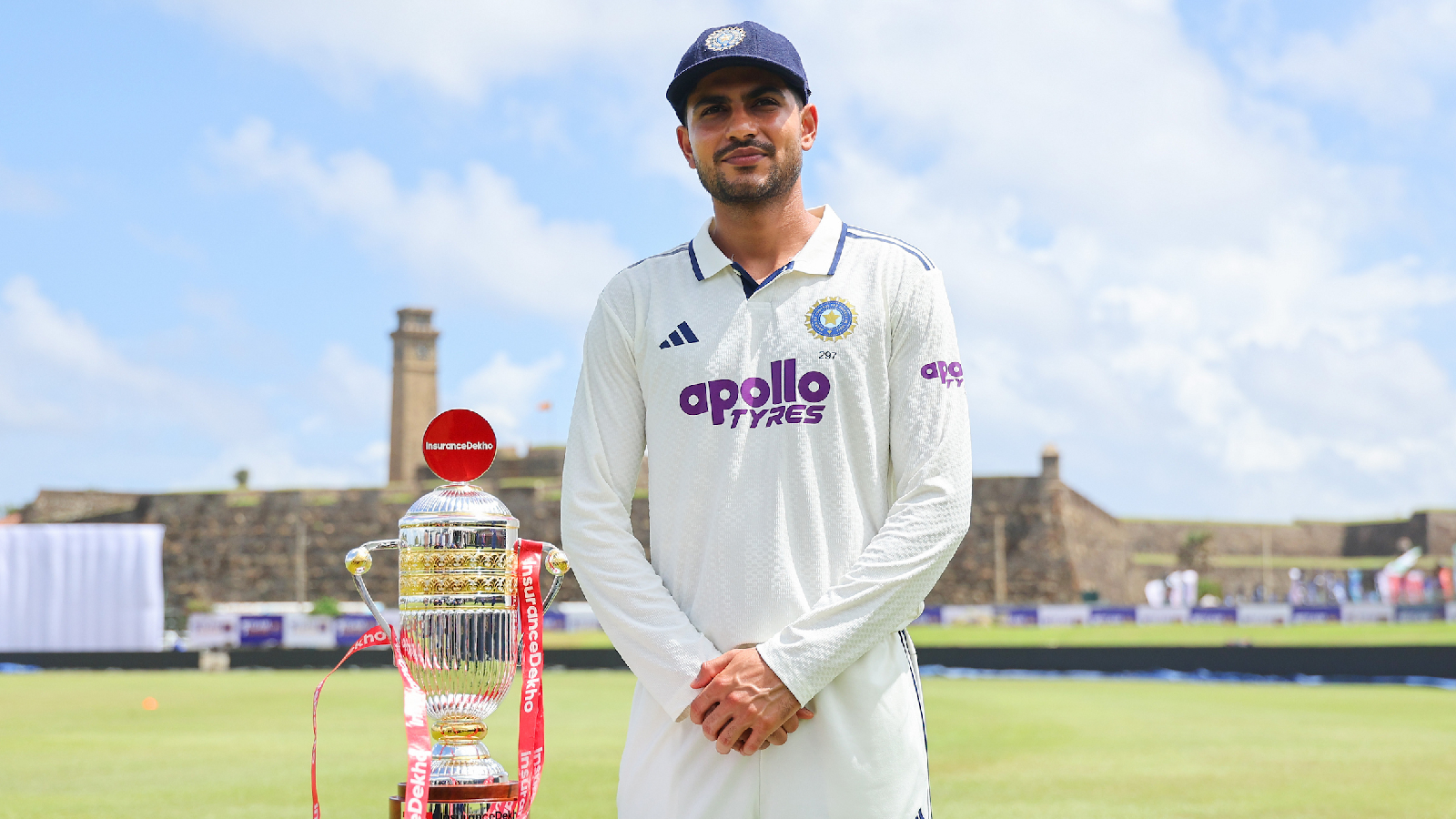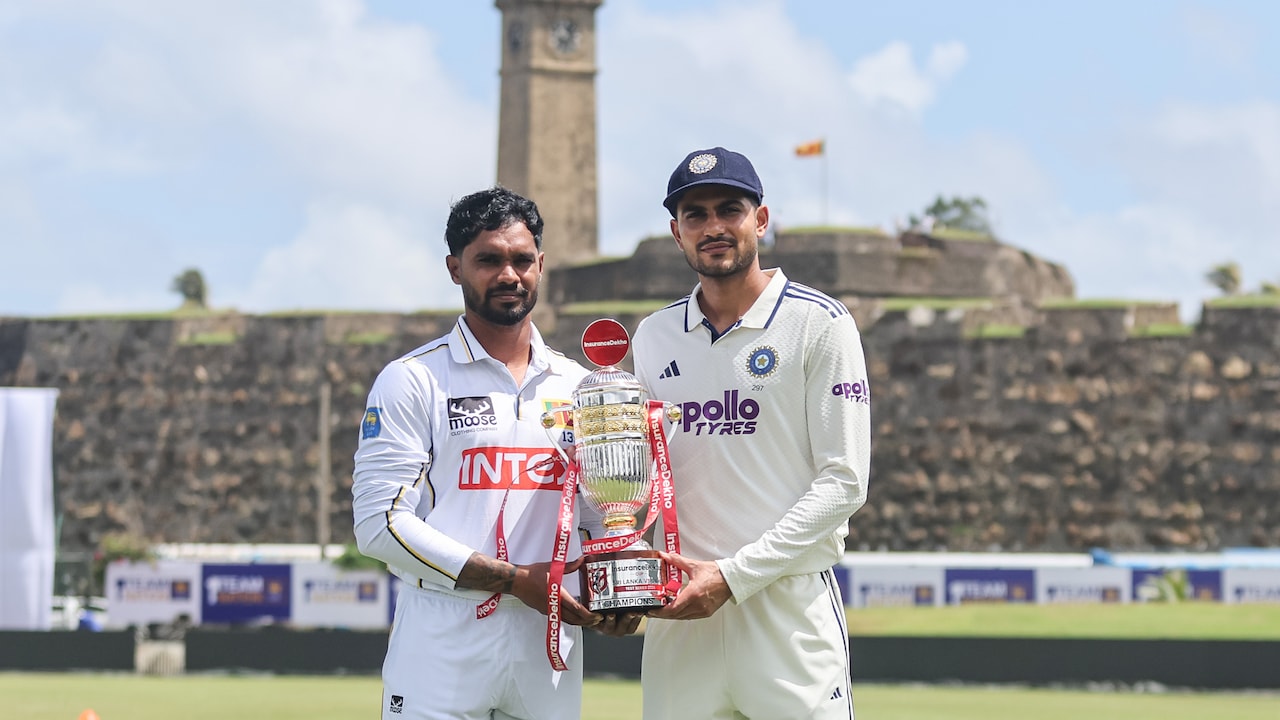
India captain Shubman Gill emphasized the pivotal role of spin and noted the extra bounce and wind at Galle International Cricket Stadium as key differences before the first Test. He mentioned that these points are discussed in team meetings.
Key Takeaways
- Spin will dominate the Galle pitch.
- Extra bounce and wind create distinct challenges.
- Team meetings are being used to address these concerns.
India’s captain Shubman Gill stressed the pivotal role of spin bowling for both India and Sri Lanka ahead of the first Test at Galle International Cricket Stadium. He noted that the venue’s extra bounce and the prevailing wind conditions set it apart from other Indian pitches.
Gill explained that while Indian batsmen are accustomed to sub‑continental surfaces, the Galle track’s higher bounce can surprise even seasoned players. “We talk about these nuances in our team meetings,” he said, emphasizing the collective preparation.
The upcoming Test marks the opening match of a two‑match series, and both sides will look to exploit their spin resources. Sri Lanka, known for producing quality spinners, will also benefit from the conditions.
Historical Background
India’s last visit to Galle in 2019 ended in a closely contested draw, with spin bowlers playing a decisive role. The venue has a reputation for assisting turn and variable bounce, making it a strategic ground for teams with strong spin attacks.
Why This Matters
BozokMedia analysis shows that mastering the spin-friendly conditions at Galle could be the decisive factor in securing series dominance for India.
“Galle’s pitch rewards patience and spin; teams that adapt quickly will gain a clear edge.” – Former Test bowler Ravichandran Ashwin
Frequently Asked Questions
When does the Galle Test start? The first Test begins in mid‑September 2024, lasting up to five days.
What spin strategies are teams likely to employ? Both sides are expected to use a mix of off‑spin and left‑arm orthodox bowlers to exploit the pitch’s turn.