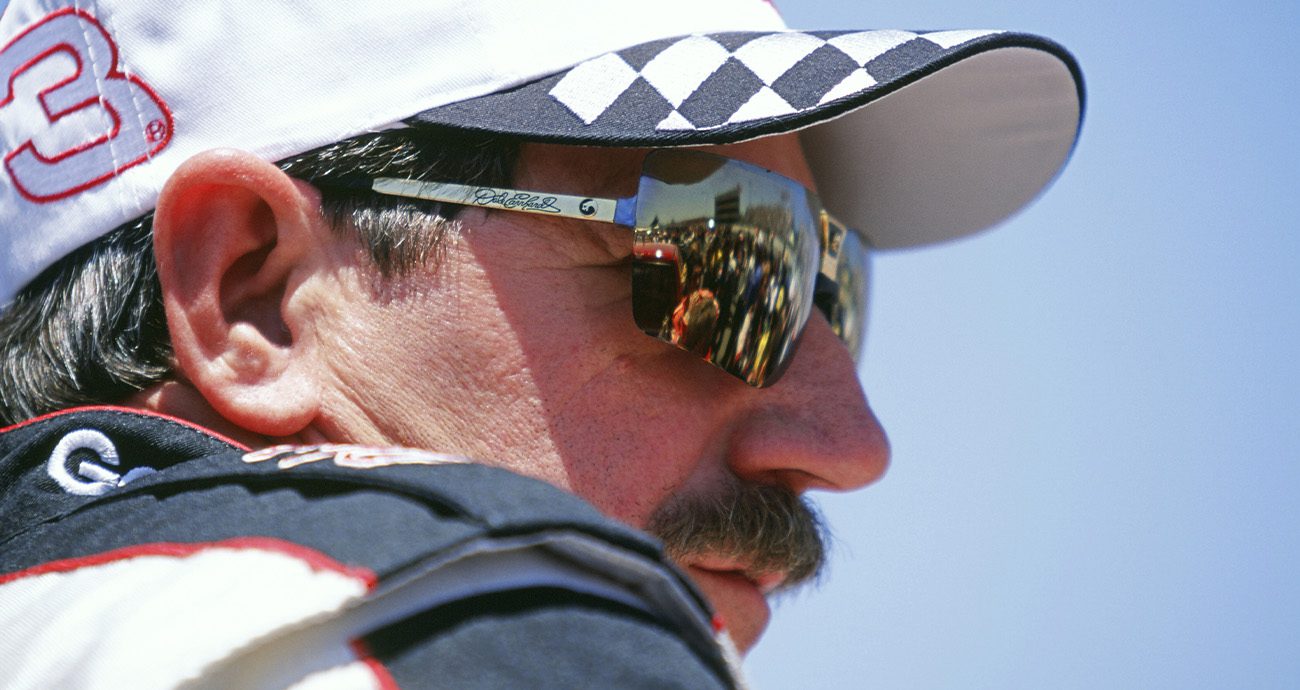
Dale Earnhardt Sr. transcended motorsports to become a defining figure of American culture. A new episode of 'NASCAR Americana' explores his profound impact and how his tragic death sparked a reckoning that reshaped the sport forever.
Key Takeaways
- Dale Earnhardt Sr., known as 'The Intimidator,' revolutionized NASCAR's popularity globally.
- His fatal crash at the 2001 Daytona 500 led to monumental safety improvements in racing.
- Earnhardt remains a symbol of blue-collar grit and American determination.
The second episode of the compelling series 'NASCAR Americana' delves deep into the life and legacy of Dale Earnhardt Sr., a man who was far more than just a race car driver. Known universally as 'The Intimidator,' Earnhardt's aggressive driving style and relentless competitiveness made him a titan of the sport. However, the episode highlights that his influence extended far beyond the asphalt of the race track, embedding him into the very fabric of American pop culture.
Historical Background: The Rise of a Legend
Born in Kannapolis, North Carolina, Earnhardt rose from humble beginnings to become one of the most successful drivers in NASCAR history. With seven NASCAR Cup Series championships to his name, he tied for the most all-time record. His signature black No. 3 Chevrolet became an iconic symbol of power and fearlessness. This episode chronicles his journey, showcasing how his persona resonated with millions of fans who saw their own resilience reflected in his driving.
Why This Matters
BozokMedia analysis shows that Earnhardt's transformation into a cultural icon was driven by his authenticity. In an era of polished corporate personas, Earnhardt's rough edges and win-at-all-costs attitude made him a relatable hero for the working class. His legacy serves as a case study in how athletes can transcend their sport to become broader cultural symbols.
Dale Earnhardt didn't just race cars; he embodied a spirit of defiance that captivated a nation. His impact is measured not just in trophies, but in the evolution of safety standards that save lives today.
The turning point in his narrative—and indeed in NASCAR history—was the tragic final lap of the 2001 Daytona 500. The episode examines how his death became a 'reckoning' for the sport, forcing officials to prioritize driver safety over entertainment. The introduction of the HANS device and SAFER barriers are direct results of that dark day, proving that his legacy continues to protect drivers even now.
Frequently Asked Questions
Q: Why was Dale Earnhardt called 'The Intimidator'?
A: He earned the nickname due to his aggressive driving style and his ability to psychologically pressure competitors into making mistakes.
Q: How did NASCAR change after Earnhardt's death?
A: His death led to rigorous safety overhauls, including mandatory head-and-neck restraints and the redesign of tracks with softer walls to absorb impact.