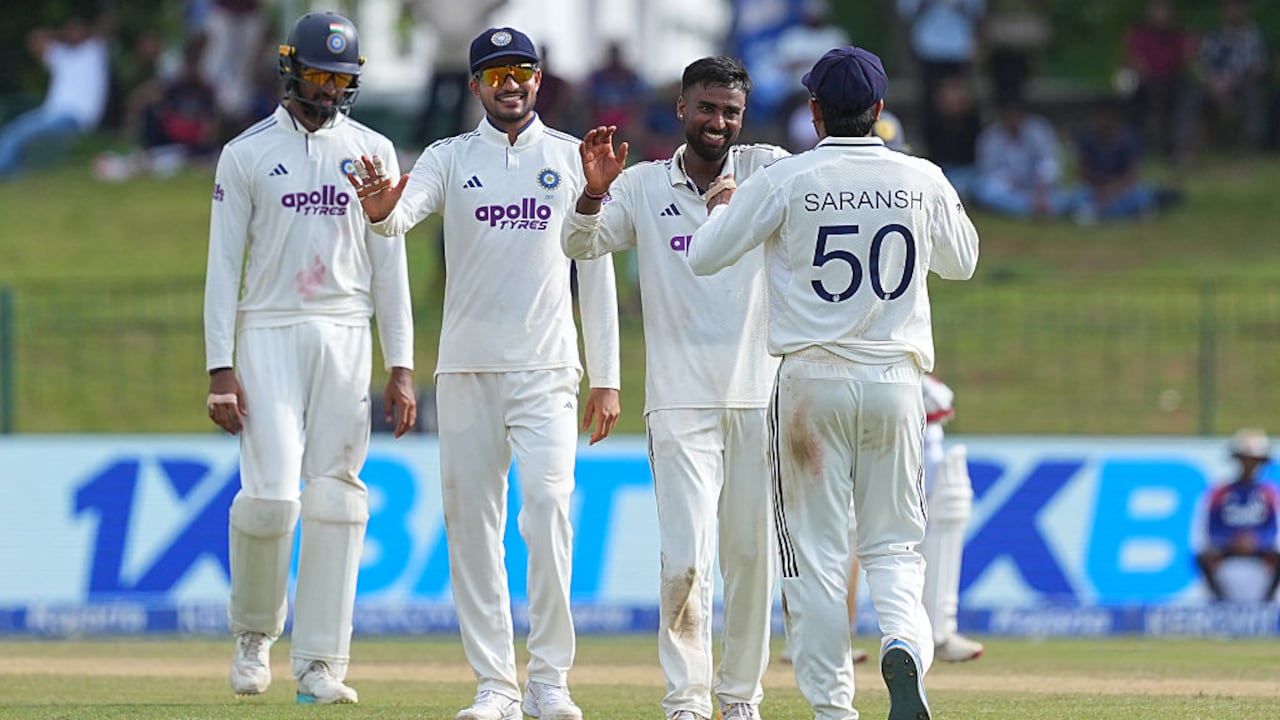
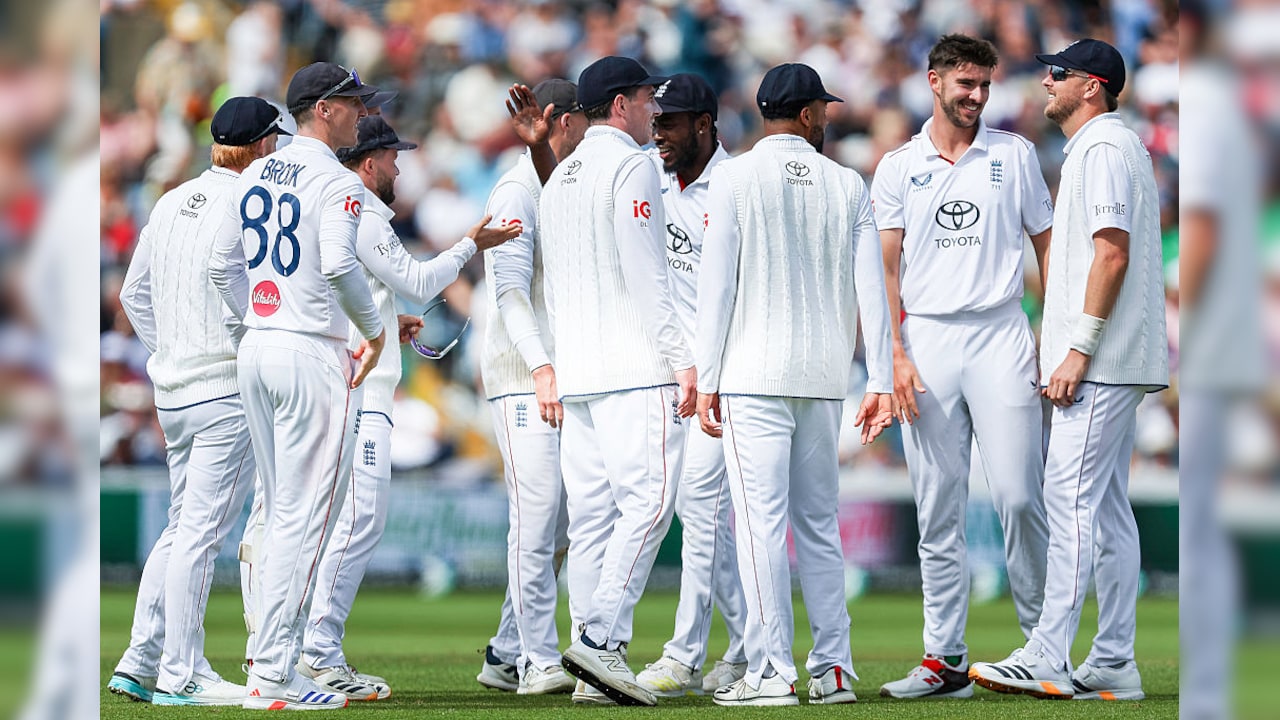
Arsenal's dominant Community Shield victory reveals a Manchester City side that retains Pep Guardiola's tactical shapes but lacks his legendary control and defensive synchronization.
- Manchester City suffered a 3-0 defeat to Arsenal in the Community Shield.
- City maintained high possession but failed to control the game's tempo or risk.
- The absence of Rodri and Pep Guardiola's guidance led to fragile 'rest defence' and isolated attacks.
Manchester City’s 3–0 defeat to Arsenal in the Community Shield at the Principality Stadium in Cardiff serves as a critical case study for the club's transition. While it may be premature to declare a full-scale crisis in the post-Pep Guardiola era—given that this was Enzo Maresca's first competitive outing—the match highlighted a disturbing trend: City can keep the ball without actually controlling the match.
Under the legendary Pep Guardiola, possession was a weapon used to suppress transitions and manipulate opponents into submission. However, against a disciplined Arsenal side, this possession became sterile. City completed more passes and held the ball longer, yet they looked fragile. The layers of control that once defined the reigning champions were noticeably absent, leaving them vulnerable to Arsenal's clinical transitions.
Familiar Shape, Weaker Connections
Tactically, Maresca has retained the core principles of his predecessor. The team still seeks width, occupies half-spaces, and utilizes Erling Haaland as a central focal point. On a whiteboard, the structure looked identical to the Guardiola era. However, the execution lacked the surgical precision of previous years. The synchronisation between players was off; distances were too wide, and the movement felt like individuals following instructions rather than a connected organic unit.
Why This Matters
BozokMedia analysis shows that City is currently suffering from a 'tactical ghost' syndrome—they are mimicking the movements of the Guardiola era without the underlying intelligence that made those movements effective. The gap between possession and control is where Arsenal found their victory. When a team possesses the ball but cannot dictate the risk, they are merely playing keep-away while inviting a counter-attack.
The distinction between passing around an opponent and moving an opponent into positions they hate is the difference between a good team and a dominant one.The most glaring issue was City's 'rest defence'—the positioning of players behind the ball to prevent counter-attacks. Guardiola's teams were masters of this, allowing them to commit numbers forward with safety. Against Arsenal, this protection vanished. The central spaces were left wide open, allowing Arsenal to turn defensive recoveries into lethal attacks within seconds.
The structural void was further widened by the absence of Rodri. Rodri is not just a midfielder; he is the team's heartbeat and tactical anchor. Without his ability to dictate tempo and shield the defense, the midfield lacked authority, leaving the backline exposed and Haaland isolated at the top.
Did You Know?: The Community Shield is an annual match played between the winners of the previous season's Premier League and the FA Cup.
Feature Guardiola Era City Maresca's Early City Possession Controlled & Manipulative Sterile & Fragile Rest Defence Highly Organized Inconsistent/Open Transitions Suppressed Vulnerable Frequently Asked Questions
Is this defeat a sign of a permanent decline for Man City?
Not necessarily. It was the first game under a new manager with key players missing, but it does highlight the difficulty of replacing Guardiola's specific brand of control.How did Arsenal manage to win so convincingly?
Arsenal focused on dominating the transitions and attacking the gaps left by City's disorganized pressing lines.